
Air travel exposes passengers to a number of factors that may have an impact on health. Some medical conditions and lifestyle choices may affect the safety and comfort of air travel and should be considered before planning a trip. Pregnant women, people travelling with newborn babies and those with pre-existing medical conditions are advised to consult their physician to understand the potential risks of air travel and to find ways to make their trip safe and comfortable for themselves, other passengers and the crew.
Pregnant women can normally travel safely by air, but most airlines restrict travel in late pregnancy. Typical guidelines for a woman with an uncomplicated pregnancy are:
- after the 28th week of pregnancy, a letter from a doctor or midwife should be carried, confirming the expected date of delivery and that the pregnancy is normal;
- for single pregnancies, flying is permitted up to the end of the 36th week;
- for multiple pregnancies, flying is permitted up to the end of the 32nd week.
Any case of a complicated pregnancy requires medical clearance.
A fit and healthy baby can travel by air 48 hours after birth, but it is preferable to wait until the age of 7 days. Until their organs have developed properly and stabilized, premature babies should always undergo a medical clearance before travelling by air. Changes in cabin air pressure may upset infants, and this can be helped by feeding or giving a pacifier to stimulate swallowing.
The contraction of muscles is an important factor in helping to keep blood flowing through the veins, particularly in the legs. Prolonged immobility, especially when seated, can lead to pooling of blood in the legs, which in turn may cause swelling, stiffness and discomfort.
It is known that immobility is one of the factors that may lead to the development of a blood clot in a deep vein, known as deep vein thrombosis (DVT). Research has shown that DVT can occur as a result of prolonged immobility, for instance during long-distance travel, whether by car, bus, train or air. A WHO study showed that the risk of DVT increased 2- to 3-fold after long-haul flights of more than 4 hours and similar forms of travel.
In most cases of DVT, the body is able to gradually break down the clots and there are no long-term effects. Larger clots may cause symptoms such as swelling of the leg, tenderness, soreness and pain. Occasionally a piece of a clot may break off and travel with the bloodstream, to become lodged in the lungs. This is known as pulmonary embolism and may cause chest pain, shortness of breath and, in severe cases, sudden death. This can occur many hours or even days after the formation of the clot in the leg.
The risk of developing DVT when travelling is increased in the presence of other risk factors, including:
- previous DVT or pulmonary embolism
- history of DVT or pulmonary embolism in a close family member
- use of oestrogen therapy – oral contraceptives (known as the pill) or hormone replacement therapy (HRT)
- pregnancy
- recent surgery or trauma, particularly to the abdomen, pelvic region or legs
- cancer
- obesity
- some inherited blood-clotting abnormalities.
DVT occurs more commonly in older people. Some researchers have suggested that there may be a risk from smoking and from varicose veins.
It is advisable for people with one or more of these risk factors to seek specific medical advice from their doctor or a travel medicine clinic in good time before embarking on a flight of 4 or more hours.
WHO suggests moving around the cabin during long flights to reduce prolonged immobility, although this may not always be possible. A regular trip to the bathroom, for example every 2–3 hours, is a reasonable measure. Many airlines provide helpful advice on exercises that can be carried out in the seat during flight. Exercise of the calf muscles can stimulate the circulation, alleviate discomfort, fatigue and stiffness, and may reduce the risk of developing DVT. WHO also suggests that hand luggage should not be placed where it restricts movement of the legs and feet, and clothing should be loose and comfortable.In view of the clear risk of significant side effects and absence of clear evidence of benefit, passengers are advised not to use aspirin specifically for the prevention of travel related DVT. Travellers at greatest risk of developing DVT may be prescribed specific treatments and should consult their doctor for further advice.
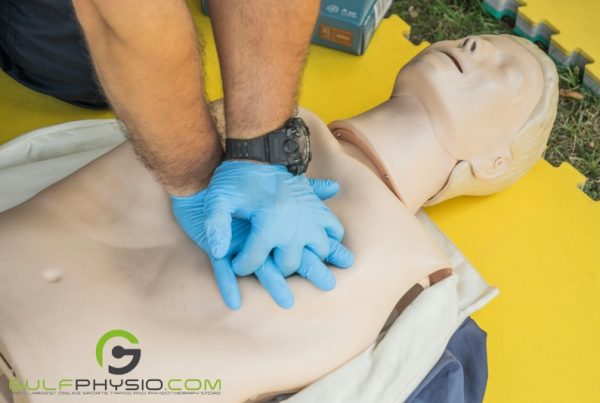
Airlines are required to provide minimum levels of medical equipment on aircraft and to train all cabin crew in first aid. The equipment carried varies, with many airlines carrying more than the minimum level of equipment required by regulations. Equipment carried on a typical international flight would include:
- one or more first-aid kits, to be used by the crew;
- a medical kit, normally to be used by a doctor or other qualified person, to treat in-flight medical emergencies.
An automated external defibrillator (AED), to be used by the crew in case of cardiac arrest, is also carried by several airlines.
Cabin crew are trained in the use of first-aid equipment and in carrying out first-aid and resuscitation procedures. They are usually also trained to recognize a range of medical conditions that may cause emergencies on board and to act appropriately to manage these.In addition, many airlines have facilities to enable crew to contact a medical expert at a ground-based response centre for advice on how to manage in-flight medical emergencies.
Except in the case of severe turbulence, travellers by air rarely suffer from motion sickness. Those who do suffer should request a seat in the mid-section of the cabin and keep the motion sickness bag, provided at each seat, readily accessible. They should also consult their doctor or travel medicine physician about medication that can be taken before flying to help prevent problems. They should avoid drinking alcohol during the flight and for 24 hours beforehand.
Airlines are required to provide minimum levels of medical equipment on aircraft and to train all cabin crew in first aid. The equipment carried varies, with many airlines carrying more than the minimum level of equipment required by regulations. Equipment carried on a typical international flight would include:
- one or more first-aid kits, to be used by the crew;
- a medical kit, normally to be used by a doctor or other qualified person, to treat in-flight medical emergencies.
An automated external defibrillator (AED), to be used by the crew in case of cardiac arrest, is also carried by several airlines.
Cabin crew are trained in the use of first-aid equipment and in carrying out first-aid and resuscitation procedures. They are usually also trained to recognize a range of medical conditions that may cause emergencies on board and to act appropriately to manage these.In addition, many airlines have facilities to enable crew to contact a medical expert at a ground-based response centre for advice on how to manage in-flight medical emergencies.
The contraction of muscles is an important factor in helping to keep blood flowing through the veins, particularly in the legs. Prolonged immobility, especially when seated, can lead to pooling of blood in the legs, which in turn may cause swelling, stiffness and discomfort.
It is known that immobility is one of the factors that may lead to the development of a blood clot in a deep vein, known as deep vein thrombosis (DVT). Research has shown that DVT can occur as a result of prolonged immobility, for instance during long-distance travel, whether by car, bus, train or air. A WHO study showed that the risk of DVT increased 2- to 3-fold after long-haul flights of more than 4 hours and similar forms of travel.
In most cases of DVT, the body is able to gradually break down the clots and there are no long-term effects. Larger clots may cause symptoms such as swelling of the leg, tenderness, soreness and pain. Occasionally a piece of a clot may break off and travel with the bloodstream, to become lodged in the lungs. This is known as pulmonary embolism and may cause chest pain, shortness of breath and, in severe cases, sudden death. This can occur many hours or even days after the formation of the clot in the leg.
The risk of developing DVT when travelling is increased in the presence of other risk factors, including:
- previous DVT or pulmonary embolism
- history of DVT or pulmonary embolism in a close family member
- use of oestrogen therapy – oral contraceptives (known as the pill) or hormone replacement therapy (HRT)
- pregnancy
- recent surgery or trauma, particularly to the abdomen, pelvic region or legs
- cancer
- obesity
- some inherited blood-clotting abnormalities.
DVT occurs more commonly in older people. Some researchers have suggested that there may be a risk from smoking and from varicose veins.
It is advisable for people with one or more of these risk factors to seek specific medical advice from their doctor or a travel medicine clinic in good time before embarking on a flight of 4 or more hours.
WHO suggests moving around the cabin during long flights to reduce prolonged immobility, although this may not always be possible. A regular trip to the bathroom, for example every 2–3 hours, is a reasonable measure. Many airlines provide helpful advice on exercises that can be carried out in the seat during flight. Exercise of the calf muscles can stimulate the circulation, alleviate discomfort, fatigue and stiffness, and may reduce the risk of developing DVT. WHO also suggests that hand luggage should not be placed where it restricts movement of the legs and feet, and clothing should be loose and comfortable.In view of the clear risk of significant side effects and absence of clear evidence of benefit, passengers are advised not to use aspirin specifically for the prevention of travel related DVT. Travellers at greatest risk of developing DVT may be prescribed specific treatments and should consult their doctor for further advice.
Airlines have the right to refuse to carry passengers with conditions that may worsen, or have serious consequences, during the flight. They may require medical clearance from their doctor if there is an indication that a passenger could be suffering from any disease or physical or mental condition that could be a hazard to the safety of the aircraft, reduce the welfare and comfort of the other passengers and crew members, require medical attention during the flight, or may be aggravated by the flight.
If cabin crew suspect before departure that a passenger may be ill, the aircraft’s captain will be informed and a decision taken as to whether the passenger is fit to travel, needs medical attention or presents a danger to other passengers and crew or to the safety of the aircraft.Airline policies vary and requirements should always be checked at the time of, or before, booking the flight. A good place to find information is often the airline’s own web site.
Most people with medical conditions are able to travel safely by air, provided that necessary precautions, such as the need for additional oxygen supply, are considered in advance.
Those who have underlying health problems such as cancer, heart or lung disease, anaemia and diabetes, who are on any form of regular medication or treatment, who have recently had surgery or been in hospital, or who are concerned about their fitness to travel for any other reason should consult their doctor or a travel medicine clinic before deciding to travel by air.
Medication that may be required during the journey, or soon after arrival, should be carried in the hand luggage. It is also advisable to carry a copy of the prescription in case the medication is lost, additional supplies are needed or security checks require proof of purpose.A frequent traveller who has a permanent and stable underlying health problem may obtain a frequent traveller’s medical card (or equivalent) from the medical or reservation department of many airlines. This card is accepted, under specified conditions, as proof of medical clearance and for identification of the holder’s medical condition.
Dental/oral surgery
Recent dental procedures such as fillings are not usually a problem when flying. However, unfinished root canal treatment and dental abscesses are reasons for caution, and it is recommended that individuals seek advice from their dental practitioner before making travel plans.
Security issues
Security checks can cause concerns for travellers who have been fitted with metal devices such as artificial joints, pacemakers or internal automatic defibrillators. Some pacemakers may be affected by modern security screening equipment and any traveller with a pacemaker should carry a letter from their doctor.
Smokers
Almost all airlines now ban smoking on board. Some smokers may find this stressful, particularly during long flights, and should discuss the issue with a doctor before travelling. Nicotine replacement patches or chewing gum containing nicotine may be helpful during the flight and the use of other medication or techniques may also be considered.
A physical disability will not usually prevent air travel. A passenger who is unable to look after his or her own needs during the flight (including use of the toilet and transfer from wheelchair to seat and vice versa) will need to be accompanied by an escort able to provide all necessary assistance. The cabin crew are generally not permitted to provide such assistance and a traveller who requires it but does not have a suitable escort may not be permitted to travel. Travellers confined to wheelchairs should be advised against deliberately restricting fluid intake before or during travel as a means of avoiding use of the toilet during flights, as this may be detrimental to overall health.
Airlines have regulations on conditions of travel for passengers with disabilities. Disabled passengers should contact airlines for guidance in advance of travel; the airlines’ own web sites often give useful information.
Research has shown that there is little risk of any communicable disease being transmitted on board an aircraft.
The quality of aircraft cabin air is carefully controlled. Ventilation provides a total change of air 20–30 times per hour. Most modern aircraft have recirculation systems, which recycle up to 50% of cabin air. The recirculated air is usually passed through high-efficiency particulate air (HEPA) filters of the type used in hospital operating theatres and intensive care units, which trap dust particles, bacteria, fungi and viruses.
Transmission of infection may occur between passengers who are seated in the same area of an aircraft, usually as a result of the infected individual coughing or sneezing or by touch (direct contact or surfaces that other passengers touch). This is no different from any other situation in which people are close to each other, such as on a train or bus or in a theatre. Highly contagious conditions, such as influenza, are more likely to be spread to other passengers in situations where the aircraft ventilation system is not operating.To minimize the risk of passing on infections, travellers who are unwell, particularly if they have a fever, should delay their journey until they have recovered. Individuals with a known active communicable disease should not travel by air. Airlines may deny boarding to passengers who appear to be infected with a communicable disease.
Divers should avoid flying soon after diving because of the risk that the reduced cabin pressure may lead to decompression sickness (more commonly called the bends). It is recommended that they do not fly until at least 12 hours after the last dive, and this period should be extended to 24 hours after multiple dives or after diving that requires decompression stops during ascent to the surface. Travellers should seek specialist advice from diving schools.
Although aircraft cabins are pressurized, cabin air pressure at cruising altitude is lower than air pressure at sea level. At typical cruising altitudes in the range 11 000–12 200 m (36 000–40 000 feet), air pressure in the cabin is equivalent to the outside air pressure at 1800–2400 m (6000–8000 feet) above sea level. As a consequence, less oxygen is taken up by the blood (hypoxia) and gases within the body expand. The effects of reduced cabin air pressure are usually well tolerated by healthy passengers.
Passengers with certain medical conditions, particularly heart and lung diseases and blood disorders such as anaemia (in particular sickle-cell anaemia), may not tolerate this reduced oxygen level (hypoxia) very well. Some of these passengers are able to travel safely if arrangements are made with the airline for the provision of an additional oxygen supply during flight. However, because regulations and practices differ from country to country and between airlines, it is strongly recommended that these travellers, especially those wishing to carry their own oxygen, contact the airline early in their travel plans. An additional charge is often levied on passengers who require supplemental oxygen to be provided by the airline.
Jet lag is the term used for the symptoms caused by the disruption of the body’s internal clock and the circadian rhythms it controls. This happens when crossing multiple time zones, i.e. when flying east to west or west to east. Jet lag may lead to indigestion and disturbance of bowel function, general malaise, daytime sleepiness, difficulty in sleeping at night, and reduced physical and mental performance. Its effects are often combined with tiredness caused by the journey itself. Jet lag symptoms gradually wear off as the body adapts to the new time zone.
Travellers who take medication according to a strict timetable (e.g. insulin or oral contraceptives) should seek medical advice from their doctor or a travel medicine clinic before their journey.
Jet lag cannot be prevented but there are ways of reducing its effects:
- Be as well rested as possible before departure and use any opportunity to rest during medium to long-haul flights. Even short naps (less than 40 min) can be helpful.
- Eat light meals and limit consumption of alcohol. Caffeine should be limited to normal amounts and avoided within 4–6 hours of an expected period of sleep.
- Get a normal amount of sleep in the 24 hours after arrival. A minimum block of 4 hours sleep during the local night – known as anchor sleep – is thought to be necessary to allow the body’s internal clock to adapt to the new time zone. If possible, make up the total sleep time by taking naps during the day in response to feelings of sleepiness.
- The cycle of light and dark is one of the most important factors in setting the body’s internal clock. A well-timed exposure to daylight, preferably bright sunlight, at the destination will usually help adaptation.
- Short-acting sleeping pills may be helpful. They should be used only in accordance with medical advice and should not normally be taken during the flight, as they may increase immobility and therefore the risk of developing deep vein thrombosis.
- Melatonin is available in some countries. It is normally sold as a food supplement and therefore is not subject to the same strict control as medications. The timing and effective dosage of melatonin have not been fully evaluated and its side-effects, particularly in long-term use, are unknown. Moreover, manufacturing methods are not standardized: the dose per tablet can vary considerably and some harmful compounds may be present. For these reasons, melatonin cannot be recommended.
- Trying to adjust to local time for short trips of up to 2–3 days may not be the best coping strategy because the body’s clock may not have an opportunity to synchronize to the new time zone and re-synchronization to the home time zone may be delayed after the return flight. If in doubt, seek specialist travel medicine advice.
Individuals react in different ways to time zone changes. Frequent flyers should learn how their own bodies respond and adopt habits accordingly. Advice from a travel medicine clinic may help in formulating an effective coping strategy.
Passengers often experience a popping sensation in the ears caused by air escaping from the middle ear and the sinuses during the aircraft’s climb. This is not usually considered a problem. As the aircraft descends in altitude prior to landing, air must flow back into the middle ear and sinuses in order to equalize pressure. If this does not happen, the ears or sinuses may feel as if they are blocked and pain can result. Swallowing, chewing or yawning will usually relieve any discomfort. As soon as it is recognized that the problem will not resolve itself using these methods, a short forceful expiration against a pinched nose and closed mouth (called the Valsalva manoeuvre) should be tried and will usually help. For infants, feeding or giving a pacifier to stimulate swallowing may reduce the symptoms.
Individuals with ear, nose and sinus infections should avoid flying because pain and injury may result from the inability to equalize pressure differences. If travel cannot be avoided, the use of decongestant nasal drops shortly before the flight and again before descent may be helpful.
As the aircraft climbs, expansion of gas in the abdomen can cause discomfort, although this is usually mild.Some forms of surgery (e.g. abdominal surgery) and other medical treatments or tests (e.g. treatment for a detached retina) may introduce air or other gases into a body cavity. Travellers who have recently undergone such procedures should ask a travel medicine physician or their treating physician how long they should wait before undertaking air travel.
The humidity in aircraft cabins is low, usually less than 20% (humidity in the home is normally over 30%). Low humidity may cause skin dryness and discomfort to the eyes, mouth and nose but presents no risk to health. Use skin moisturizing lotion or a saline nasal spray to moisturize the nasal passages. Wearing eyeglasses rather than contact lenses can relieve or prevent discomfort to the eyes. Evidence has not shown low humidity to cause internal dehydration and there is no need to drink more than usual. However, since caffeine and alcohol have a diuretic effect (causing more urine to be produced), it is wise to limit consumption of such beverages during long flights.
Travel by air is normally contraindicated in the following cases:
- Infants less than 48 hours old.
- Women after the 36th week of pregnancy (32nd week for multiple pregnancies).
- Those suffering from:
- angina pectoris or chest pain at rest;
- any active communicable disease;
- decompression sickness after diving;
- increased intracranial pressure due to haemorrhage, trauma or infection;
- infections of the sinuses or of the ear and nose, particularly if the Eustachian tube is blocked;
- recent myocardial infarction and stroke (elapsed time since the event depending on severity of illness and duration of travel);
- recent surgery or injury where trapped air or gas may be present, especially abdominal trauma and gastrointestinal surgery, craniofacial and ocular injuries, brain operations, and eye operations involving penetration of the eyeball;
- severe chronic respiratory disease, breathlessness at rest, or unresolved pneumothorax;
- sickle-cell anaemia;
- psychotic illness, except when fully controlled.
The above list is not comprehensive, and fitness for travel should be decided on a case-by-case basis. Consult your doctor if you have concerns about your health when flying.
Neither ozone nor cosmic rays are dangerous to airline passengers or crew.
Ozone is a form of oxygen that occurs in the upper atmosphere and may enter the aircraft cabin together with the fresh-air supply. In older aircraft, it was found that the levels of ozone in cabin air could sometimes lead to irritation of the lungs, eyes and nasal tissues. Ozone is broken down by heat and a significant amount of ozone is removed by the engine compressors (which compress and heat the air) that provide pressurized air for the cabin. In addition, most modern long-haul jet aircraft are fitted with equipment called catalytic converters that break down any remaining ozone.
Cosmic radiation comes from the sun and from outer space. The Earth’s atmosphere and magnetic field are natural shields and cosmic radiation levels are therefore lower at lower altitudes. The Earth’s population is continually exposed to natural background radiation from soil, rock and building materials as well as from cosmic radiation that reaches the Earth’s surface.Cosmic radiation is more intense over polar regions than over the equator because of the shape of the Earth’s magnetic field and the flattening of the atmosphere over the poles. Although cosmic radiation levels are higher at aircraft cruising altitudes than at sea level, research has not shown any significant health effects for aircraft passengers or crew.
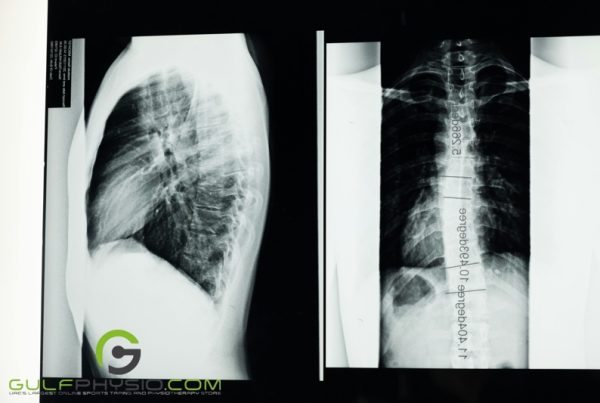
Prolonged sitting can cause stiffness and discomfort in the back, neck, shoulders, and legs. To reduce these risks:
- Spinal and lumbar support: Use a small lumbar pillow or rolled towel to maintain the natural curve of your lower back. Adjust your seat so that your hips and knees are at roughly a 90-degree angle.
- Movement and walking: Stand up and walk along the aisle every 1–2 hours if possible. Even a short walk can improve blood circulation and reduce leg swelling.
- In-seat exercises:
- Ankle pumps: Point and flex your toes repeatedly.
- Calf raises: Lift heels while keeping toes on the floor, then lower.
- Leg extensions: Extend one leg at a time to engage thigh muscles.
- Shoulder rolls and neck stretches: Roll shoulders forward and backward, gently tilt the head side to side.
- Compression garments: Compression socks can reduce swelling in the lower legs and help prevent venous pooling.
- Hydration and nutrition: Dehydration increases stiffness. Drink water regularly and avoid excessive caffeine or alcohol.
These strategies help maintain muscle activity and joint mobility, which is especially important for passengers with prior musculoskeletal conditions or those at risk of DVT.
Flying may exacerbate delayed-onset muscle soreness (DOMS) and affect recovery after exercise:
- Stretching and mobility: Perform gentle stretching of major muscle groups—especially calves, hamstrings, quadriceps, and back—before and after flights.
- Foam rolling: Use a travel-sized foam roller or massage ball on the calves, glutes, and upper back to alleviate stiffness.
- Circulation management: Engage in ankle and leg exercises during the flight. Short walks along the aisle are recommended for flights longer than 4 hours.
- Recovery aids: Consider wearing compression sleeves or socks to improve circulation.
- Hydration and nutrition: Adequate fluid intake, high-protein meals, and anti-inflammatory foods support muscle repair during and after long flights.
Athletes should plan travel around training schedules, allowing sufficient time for recovery upon arrival. Those with prior injuries should consult a physiotherapist for tailored in-flight mobility exercises.
Passengers with pre-existing conditions such as arthritis, fibromyalgia, lower back pain, or joint replacements may experience increased discomfort:
- Seating adjustments: Use cushions or supports to maintain proper posture. Avoid slouching, and try to keep feet flat on the floor.
- Frequent movement: Stand up or perform in-seat exercises every 1–2 hours to prevent stiffness.
- Medication management: Carry prescribed pain relief or anti-inflammatory medication in hand luggage, and consult your physician regarding dosages during travel.
- Physiotherapy advice: Pre-flight consultation with a physiotherapist may help create a personalized exercise and seating plan, particularly for long-haul flights.
Passengers with severe joint or back problems should notify the airline in advance if special seating or assistance is required.
Even in a confined cabin, simple exercises maintain circulation and reduce stiffness:
- Leg exercises: Ankle circles, calf raises, leg extensions, and knee lifts.
- Core activation: Tighten abdominal muscles for 5–10 seconds periodically to engage the core and support the spine.
- Upper body stretches: Shoulder rolls, neck rotations, and gentle arm stretches above the head or along the armrests.
- Seated twists: While seated, gently rotate the torso to each side to maintain spinal mobility.
These exercises are safe for most healthy passengers, but those with recent surgery or severe musculoskeletal conditions should consult their doctor before attempting them.
Seat choice: An aisle seat allows easier mobility and access for walking.
Support equipment: Bring neck pillows, lumbar cushions, or folded blankets to maintain alignment and reduce strain.
Hydration: Drink water regularly. Limit caffeine and alcohol, which may worsen muscle stiffness and dehydration.
Clothing: Wear loose, comfortable clothes that do not restrict circulation. Avoid tight shoes or belts.
Rest and positioning: Alternate between seated stretching and brief rest. Use a travel pillow to maintain neck alignment during sleep.
Passengers should prepare for potential musculoskeletal or medical emergencies:
- Medication and documents: Carry all prescription medications, including painkillers or anti-inflammatory drugs, in your hand luggage along with a copy of prescriptions.
- Medical information card: Passengers with chronic conditions should carry a brief summary of their condition, recent procedures, and emergency contacts.
- Inform cabin crew: Notify crew of any medical conditions or mobility issues that may require assistance.
- Travel insurance: Ensure coverage includes medical treatment and physiotherapy support in the destination country.
Proper preparation improves safety, comfort, and response time in case of unexpected health issues during travel.