

Cardiac arrest is one of the leading causes of sudden death worldwide. Each year, more than 350,000 out-of-hospital cardiac arrests (OHCA) occur in the United States alone. Survival rates remain low, averaging 8%–10%, and drop even further without immediate CPR. Globally, cardiac arrest accounts for over 7 million deaths annually, making it a major public health concern.
Most cardiac arrests happen outside hospitals, often at home, and nearly 40% go unwitnessed. Early CPR and rapid defibrillation can triple survival, yet fewer than 40% of victims receive CPR from bystanders. These numbers highlight the urgent need for awareness, training, and faster emergency response.
This article explores the latest cardiac arrest statistics, key trends, high-risk groups, and what the data reveals about survival rates and prevention.
What Does Cardiac Arrest Mean?
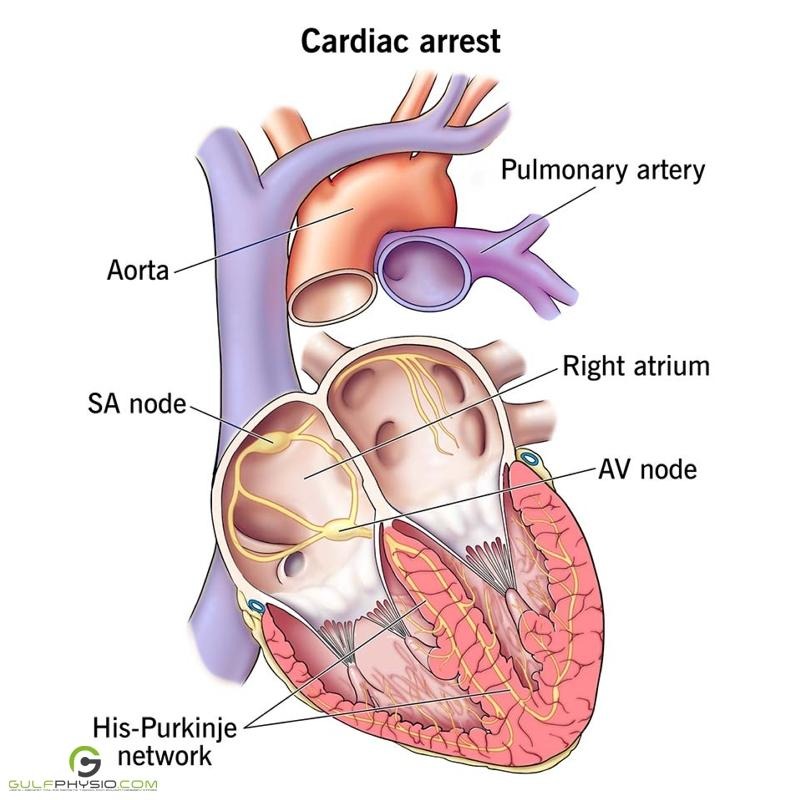
Cardiac arrest is a sudden loss of heart function. It happens when the heart’s electrical system stops working properly. As a result, the heart cannot pump blood to the brain, lungs, and other organs. This causes the person to collapse and stop breathing within seconds.
Cardiac arrest is a medical emergency. Without quick treatment—such as CPR and defibrillation—death can occur within minutes. It is not the same as a heart attack. A heart attack is caused by a blocked artery, while cardiac arrest is caused by an electrical failure that disrupts the heart’s rhythm.
Cardiac Arrest Symptoms
Cardiac arrest happens suddenly, and symptoms often appear without warning. The most common signs include:
- Sudden collapse: The person falls unconscious immediately.
- No pulse: The heart stops pumping, so no heartbeat is felt.
- No breathing or abnormal breathing: Breathing stops, or the person may gasp irregularly (agonal gasps).
- Loss of consciousness: The person becomes unresponsive within seconds.
Some people may experience early warning signs minutes or hours before cardiac arrest, such as:
- Chest discomfort or pressure
- Shortness of breath
- Unusual fatigue
- Heart palpitations
- Weakness or dizziness
What Causes Cardiac Arrest?
Cardiac arrest is usually triggered by a sudden electrical malfunction in the heart. This disruption stops the heart from pumping blood, leading to an immediate loss of consciousness.
Several medical conditions and external factors can cause this life-threatening event.
- Ventricular Fibrillation (VF): A dangerous heart rhythm where the ventricles twitch instead of pumping. It is the most common cause of sudden cardiac arrest.
- Coronary Artery Disease (CAD): Blocked or narrowed arteries reduce blood flow to the heart. Severe blockages can trigger dangerous heart rhythms that lead to arrest.
- Heart Attack (Myocardial Infarction): A heart attack damages heart muscle and can create electrical instability. This increases the risk of sudden cardiac arrest immediately or within hours.
- Cardiomyopathy: A weakened or enlarged heart struggles to pump effectively. This structural problem increases the risk of abnormal heart rhythms.
- Heart Failure: When the heart cannot pump enough blood over time, it becomes prone to electrical failure and sudden arrest.
- Arrhythmias: Irregular heartbeats—too fast or too slow—can disrupt normal function and lead to cardiac arrest if severe.
- Congenital Heart Disease: Birth defects affecting the heart’s structure or electrical system can cause arrest, especially in children and young adults.
- Severe Blood Loss or Shock: Major bleeding or trauma reduces blood flow and oxygen, causing the heart to stop.
- Drug Overdose or Poisoning: Drugs like opioids, stimulants, or toxins can slow or stop breathing and disrupt the heart’s rhythm.
- Respiratory Arrest: When breathing stops, oxygen levels drop rapidly, which can lead to cardiac arrest.
- Electrolyte Imbalance: Low potassium, magnesium, or calcium can disturb the heart’s electrical system.
Cardiac Arrest Risk Factors
Certain health conditions, lifestyle habits, and genetic factors can increase the chance of experiencing cardiac arrest. Understanding these risk factors helps identify people who may need closer monitoring or preventive care.
- Previous Heart Attack: People who have had a heart attack are at higher risk because damaged heart tissue can cause electrical instability.
- Heart Failure: A weakened heart cannot pump effectively. This increases the risk of dangerous arrhythmias that lead to cardiac arrest.
- Arrhythmias: Fast, slow, or irregular heartbeats—especially ventricular arrhythmias—significantly raise the risk of sudden cardiac arrest.
- Cardiomyopathy: Thickened or enlarged heart muscles can disrupt electrical signals, making cardiac arrest more likely.
- Family History of Sudden Cardiac Death: Genetic conditions like inherited arrhythmias or cardiomyopathies can increase risk, especially in younger individuals.
- Smoking: Nicotine damages blood vessels, increases blood pressure, and raises the risk of heart disease and cardiac arrest.
- High Blood Pressure (Hypertension): Chronic high blood pressure weakens the heart and increases the risk of arrhythmias.
- High Cholesterol: Excess cholesterol contributes to plaque buildup in arteries, which can lead to CAD and cardiac arrest.
- Diabetes: Excess cholesterol contributes to plaque buildup in arteries, which can lead to CAD and cardiac arrest.
- Obesity: Excess body weight puts strain on the heart and increases the likelihood of hypertension, diabetes, and heart disease.
- Alcohol and Drug Abuse: Heavy alcohol use and drugs such as cocaine, methamphetamine, and opioids can trigger arrhythmias and respiratory failure.
- Sedentary Lifestyle: Lack of physical activity weakens cardiovascular health and increases overall risk.
- Age and Gender: Risk increases with age, and men face a higher risk than women, although the gap narrows with age.
Cardiac Arrest vs Heart Attack
Cardiac arrest and heart attack are often confused, but they are very different medical emergencies. A heart attack occurs when blood flow to the heart is blocked, while cardiac arrest happens when the heart suddenly stops beating.
Understanding the difference is important because each condition requires a different response and has different warning signs.
| Factor | Cardiac Arrest | Heart Attack |
| Definition | Sudden electrical malfunction causing the heart to stop beating. | Blockage in a coronary artery reduces or stops blood flow to the heart. |
| Cause | Abnormal heart rhythm (often ventricular fibrillation). | Plaque buildup or blood clot blocking an artery. |
| Onset | Happens suddenly and without warning. | Can be sudden or develop slowly over hours or days. |
| Symptoms | Collapse, no pulse, no breathing, sudden loss of consciousness. | Chest pain, shortness of breath, nausea, sweating, discomfort in arms, jaw, or back. |
| Breathing | Absent or abnormal (agonal gasps). | Usually normal, though the person is in distress. |
| Consciousness | The person becomes unresponsive within seconds. | The person is usually conscious and can talk. |
| Emergency Response | Immediate CPR and defibrillation required. | Urgent medical care; restore blood flow with medication or procedures. |
| Outcome Without Treatment | Death within minutes. | Severe heart damage or death, but not always fatal immediately. |
| Relationship | Can happen during or after a heart attack. | A heart attack can trigger cardiac arrest. |
Cardiac Arrest Statistics by Country
Understanding how cardiac arrest cases are distributed across countries helps reveal global health gaps and emergency-response differences. Population size, lifestyle habits, healthcare quality, and reporting systems all influence how many cases each nation records.
The data below highlights the estimated percentage share of global cardiac arrest cases based on available studies, population trends, and national health statistics.
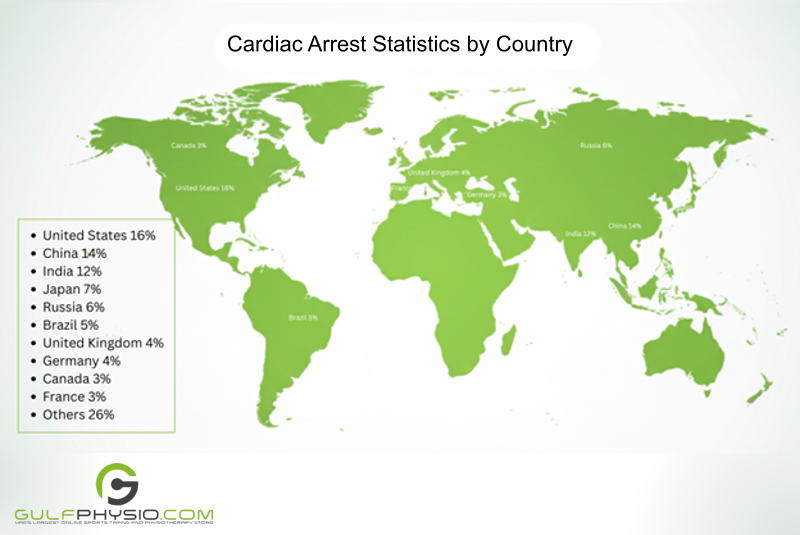
The data shows the top 10 countries with the highest share of global cardiac arrest cases. The United States leads with 16%, reflecting strong reporting systems and a high incidence of out-of-hospital cardiac arrests. China (14%) and India (12%) follow closely, largely due to their massive populations and growing cardiovascular disease burden.
Developed nations like Japan (7%), Russia (6%), Brazil (5%), and major European countries (the UK, Germany, and France) each contribute between 3% and 7%. Canada accounts for 3%, supported by comprehensive emergency-care data.
Together, these ten countries represent 74% of all estimated global cardiac arrest cases, showing how heavily concentrated the numbers are in large or highly developed nations. The remaining 26% comes from countries with smaller populations or limited data reporting.
Cardiac Arrest Statistics by Age Group
Cardiac arrest risk increases sharply with age. While it can occur at any stage of life, older adults experience far higher rates due to underlying heart disease, hypertension, and chronic health conditions.
The data below shows the estimated global distribution of cardiac arrest cases across different age groups.
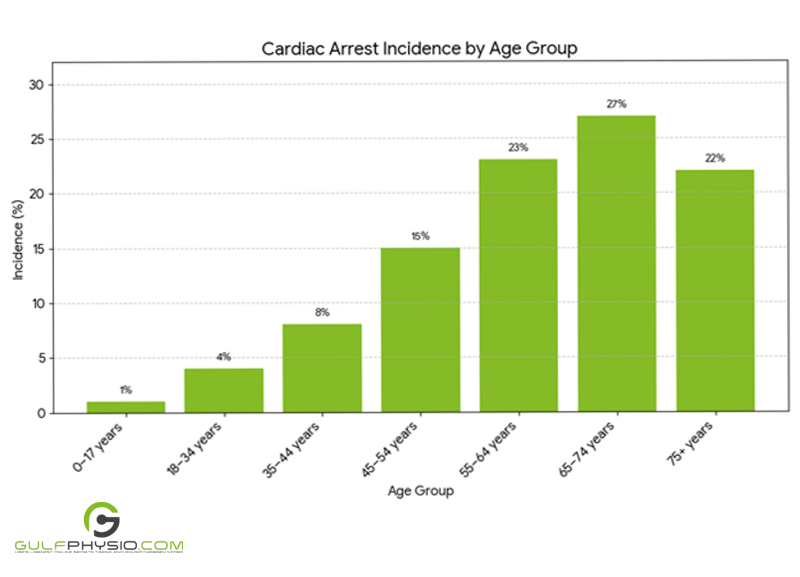
The data shows that adults over 55 account for more than 70% of all cardiac arrest cases. This reflects the strong connection between aging and heart health decline. Middle-aged adults (45–54) also represent a growing share due to lifestyle-related risk factors such as stress, high blood pressure, diabetes, smoking, and lack of exercise.
Younger age groups experience far fewer cases, but when cardiac arrest does occur in children or young adults, it is usually tied to genetic disorders, structural heart defects, or sudden arrhythmias.
Cardiac Arrest Statistic by Gender
Cardiac arrest affects men and women differently, with men experiencing significantly higher rates throughout most of their lives. Biological factors, lifestyle differences, and varying prevalence of heart disease all contribute to this gap.
The data below shows the estimated global distribution of cardiac arrest cases by gender.
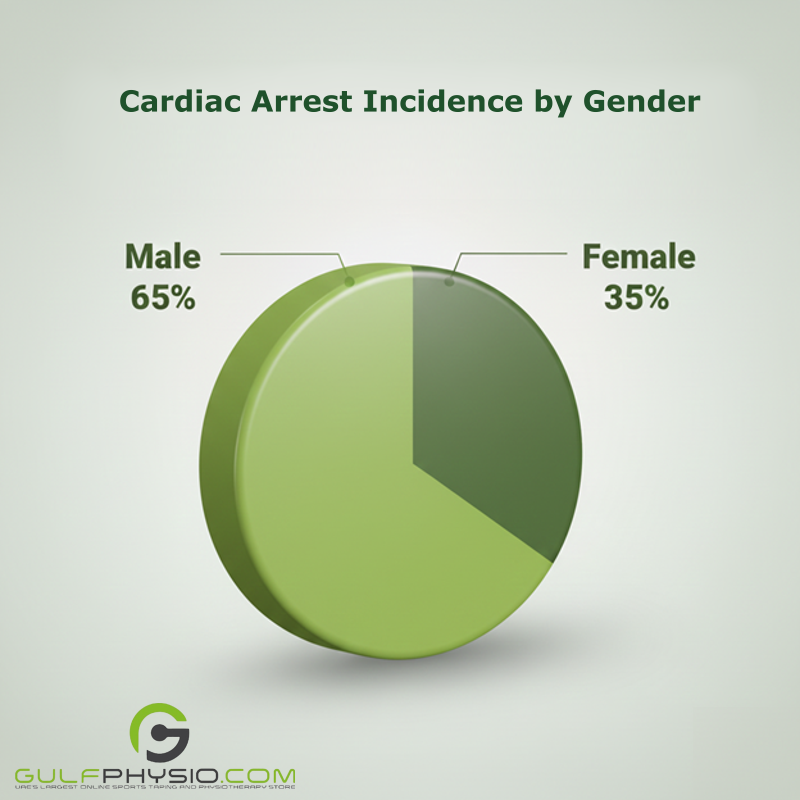
The data shows a consistent pattern: men are almost twice as likely as women to suffer cardiac arrest, especially in younger and middle-aged years. This is partly because men develop cardiovascular disease earlier and more aggressively.
However, the gap narrows significantly after menopause, when women’s risk increases and approaches that of men.
Understanding these differences helps healthcare providers target prevention, early screening, and education more effectively for each gender.
Cardiac Arrest Survival Rate
Survival after cardiac arrest remains one of the biggest challenges in emergency medicine. Without immediate treatment, the chances of survival drop rapidly — about 10% every minute without CPR or defibrillation. Survival rates also vary widely depending on where the arrest occurs and how fast help arrives.
Below are the most widely cited global survival estimates:
| Setting | Estimated Survival Rate | Description |
| Out-of-Hospital Cardiac Arrest (OHCA) | 8%–12% | Survival is low because many victims do not receive CPR immediately, and defibrillators are not always nearby. |
| With Bystander CPR | 20%–30% | Early CPR can double or triple survival chances. |
| With Early Defibrillation | 40%–70% | When a defibrillator is used within the first few minutes, survival can rise dramatically. |
| In-Hospital Cardiac Arrest | 24%–35% | Hospitals have immediate access to CPR teams and advanced equipment, improving outcomes. |
| Children & Teens | 20%–40% | Younger patients sometimes have better outcomes because their hearts can recover more effectively when treated quickly. |
Cardiac Arrest Deaths Per Year
Cardiac arrest causes millions of sudden deaths around the world every year. Because it strikes without warning and requires immediate medical response, many victims do not survive even with rapid treatment. Understanding how many people die each year helps highlight the importance of CPR training, early defibrillation, and improved emergency care.
Below is an estimated breakdown of annual deaths due to cardiac arrest / sudden cardiac death based on widely referenced global health data.
| Region/Country | Estimated Deaths Per Year | Notes |
| Worldwide | ~7–9 million | Includes sudden cardiac death and cardiac arrest-related deaths. |
| United States | ~350,000–400,000 | One of the highest reported due to strong data collection. |
| Europe (all countries) | ~300,000–400,000 | Varies widely across nations. |
| China | ~1 million+ | Large population and rising heart disease rates contribute. |
| India | ~500,000+ | Data varies by region; cardiovascular disease rising quickly. |
| Latin America | ~150,000–200,000 | Reporting is limited but increasing. |
| Africa & The Middle East | ~100,000–150,000 | Data incomplete; likely underreported. |
How to Prevent a Cardiac Arrest Attack?
While cardiac arrest can happen suddenly, many cases can be prevented by controlling risk factors and maintaining a healthy heart. Early medical care, healthy lifestyle choices, and awareness can significantly reduce the chances of a sudden cardiac event.
Below are effective prevention steps:
- Manage Heart Disease: If you have coronary artery disease, high blood pressure, or heart failure, follow your doctor’s treatment plan. Proper medication and regular checkups can lower risk.
- Maintain a Healthy Diet: Eat more fruits, vegetables, whole grains, and lean protein. Reduce salt, sugar, and unhealthy fats to protect your heart.
- Exercise Regularly: At least 150 minutes of moderate exercise per week improves heart health and lowers risk of arrhythmias.
- Avoid Smoking: Smoking damages blood vessels and increases heart rhythm problems. Quitting greatly reduces risk over time.
- Control Weight: Healthy weight reduces strain on the heart and decreases risks of diabetes and hypertension.
- Limit Alcohol and Avoid Drugs: Heavy alcohol and drugs like cocaine or methamphetamine can trigger deadly heart rhythms.
- Monitor Chronic Conditions: Keep diabetes, cholesterol, and blood pressure under control through medication and lifestyle.
- Know Your Family History: Some people have inherited heart conditions. Early screening can detect problems before they cause cardiac arrest.
- Learn CPR: Immediate CPR can double or triple survival chances. Learning this simple skill can save a life.
- Use AEDs When Available: Public places like airports and malls often have defibrillators. Early use can dramatically improve survival.
Conclusion
Cardiac arrest remains one of the most sudden and deadly medical emergencies worldwide. The statistics show a clear reality: millions are affected every year, and survival depends almost entirely on how fast help arrives. Age, gender, lifestyle, and underlying heart conditions all influence risk, but prevention and awareness can make a powerful difference.
By understanding the causes, recognizing the symptoms, and controlling risk factors, individuals can significantly reduce their chances of experiencing cardiac arrest. At the same time, communities can save more lives by promoting CPR training and increasing access to AEDs.
Ultimately, cardiac arrest is a reminder of how fragile heart health can be — and how simple actions, like learning CPR or maintaining a healthy lifestyle, can truly save lives. With awareness, preparation, and timely response, we can continue improving survival and protecting heart health across the globe.