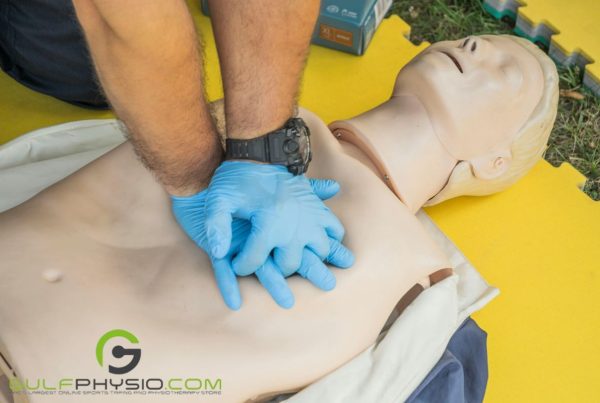


In September 2025, actor Henry Cavill suffered an injury while preparing for his role in an upcoming film. While the injury was unspecified, the former Man of Steel actor shared photos on his Instagram account of his foot wrapped in bandages, then later another photo of himself training with a medical boot, and one of himself undergoing TENS therapy on the injured foot.
You might think that an actor who has played Superman must go through very intense physical training to get such a serious injury, but the truth is regular average people just like us can get injured just as badly as he did!
Injury Incidence and Frequency Data
Even before the COVID-19 pandemic, going to the gym was a popular hobby. In fact, an article written by Dru Hill (CEO of GymMaster) stated that in 2019, the global industry for gym memberships grew to a whopping $96.7 billion globally. The industry continued to grow post-pandemic, and by 2024 that number ballooned to $121.19 billion with a Compound Annual Growth Rate (CAGR) of 9.30%. By 2032, the data shows the industry’s estimated value will reach $244.70 billion.
In a research article published in Transactions on Materials, Biotechnology and Life Sciences (TMBLS), the researchers found that with the increase in individuals who went to the gym, there was also an increase in injuries. Multiple studies support these findings, such as this one published in 2022 that found a higher incidence of injury for professional football players post covid.
Most Common Type of Gym Related Injuries
As mentioned previously, an unfortunate result of rising gym populations is a rise in gym- based injuries. According to GymMaster, injuries at the gym can be caused by a number of preventable factors such as improper use of equipment, unsafe environmental factors (such as wet floors or unmaintained gym equipment), and overexertion. These factors can result in the following:
Sprains and strains
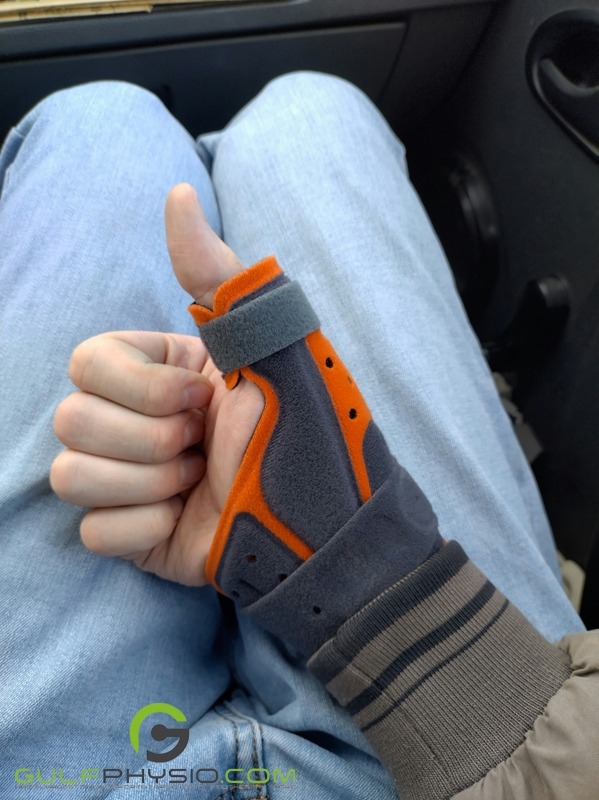
Accounting for 35.70% of gym injuries in Saudi Arabia alone are sprains and strains. Sprains are a result of a torn or stretched ligament, while strains result from stretched or torn tendons or muscles. There are many reasons sprains and strains can occur:
- Jumping into a workout too fast without preparation
- Overexertion or pushing yourself despite exhaustion
- Lifting something too heavy
- Incorrect posture and form when exercising
Muscle Spasms (Cramps)
Muscle spasms, also known as cramps, are the sudden contraction and tightening of muscles. These cause sudden contraction and tightening of the muscles, and are often painful and unpredictable and result from:
- Lack of stretching
- Muscle fatigue
- Exercising in excessively warm temperatures
- Dehydration
- Lack of electrolytes
- Engaging in frequent high-intensity workouts
Tendinopathy
Tendinopathy refers to any condition that affects the tendons. Injuries categorized under tendinopathy often cause pain and limit function and movement. Overtime, tendinopathy can lead to more serious conditions such as muscle loss and disability. Conditions under tendinopathy are a result of overtraining and repetitive strain.
Hematomas and Contusions
Hematomas are closed wounds where blood pools and collects in an area inside the body. This occurs when the blood has no proper way to flow and drain out of the body. Hematomas are most often caused by traumatic injuries that involve blunt force trauma, such as fractures, head injuries, strains, and sprains.

Contusions, on the other hand, are a type of hematoma. More commonly referred to as bruises, these are injuries to the soft tissue that cause pain, discoloration, and inflammation.
Dislocations
Dislocations refer to injuries to the joints where the bone moves out of place or separates completely from the joint. They occur when too much sudden pressure is applied to the ligaments that connect bones together. Situations that can cause dislocations include falling, getting hit, or being tackled.
Areas of Injury and Frequency
A published systematic review from 2022 that aimed to find the relationship between exercise selection and common injuries in fitness centres found that in 39-peer reviewed studies the most frequent areas of injury were the shoulders and knees, among other areas.
More recent studies, which focused on various gym-based exercises such as this one about weight training sports, support this. An estimated 27% of the participants reported getting an injury in the six months leading up to the study. The areas and prevalence of injury are as follows:
A more comprehensive study also published in 2022 sought to find out the prevalence of and types of overuse injuries in gyms across Saudi Arabia. Unlike the previous study that focused only on individuals who participated in weight training, this paper included participants who engaged in various sports alongside their gym activities. Despite the differences in the criteria for participants, the results were similar in that injuries were most common in the shoulder and knee areas.
Injury and Equipment
The National Safety Council, a non-profit organization in the United States, estimated that in 2024 exercise and exercise equipment-related injuries accounted for about 564,845 injuries in the country. The most injuries in any category of sports and recreational activities.
Another, albeit older, research article conducted a longitudinal study that intended to find the causes of injuries in fitness facilities. This paper highlighted the specific gym activities and equipment that caused the most injuries and found the following:
The study reviewed data that spanned a period of 14 years, compiling cases reported to the Victorian Emergency Minimum Dataset (VEMD) and found that general free weights (dumbbells, plates, barbells, or kettlebells) had the highest rate of injury amongst gym equipment.
The Relationship Between Injury, Gender, and Experience
A journal article from 2018 conducted an analysis of the characteristics of sports activities and injury experiences of leisure sports participants and obtained the following results:
Taking a look at the data, we can see that men had a higher rate of injury than women. This data is further supported by a more recent study from 2023 that aimed to identify factors associated with fitness injuries, wherein they state that men were 1.7 times more likely to be injured than women.
Furthermore, this more recent study also found that males who were younger (between the ages of twenty to thirty) were more likely to get injured. Younger males might take more risks, even though they have less experience, and are more likely to attempt more complex exercises or train for longer periods of time despite exhaustion.
The Gym Environment
Aside from irresponsible use of gym equipment, other hazards exist within the gym environment that could lead to the risk of serious injury. Gym management also bears responsibility for maintaining clean and well-kept facilities to prevent patrons from falling ill or sustaining injuries.
The following are common possible situations that gyms and other fitness centers may encounter regularly:
Overcrowding
With the rising interest in fitness and health, the popularity of gyms and similar facilities has skyrocketed. With so many people flocking in at once, management must take responsibility and set a capacity limit for their facilities to avoid overcrowding. Adjusting a schedule for members may also help ease this problem.
Poor Ventilation
Relating to the first item on this list, another possible hazard of any gym/fitness facility is poor ventilation. Many gyms are located in office buildings or malls, which are enclosed spaces that may lack proper air flow. Poor ventilation can lead to headaches, difficulty breathing, exhaustion, fainting, and even the spread of diseases.
Unhygienic Equipment
Regularly sanitizing gym equipment is an essential part of keeping a safe gym environment. Cleaning equipment after use and regular sanitation of the entire can prevent the spread of bacteria and viruses such as Staphylococcus aureus (staph), fungal infections (ringworm, athlete’s foot), rhinovirus, and human papillomavirus (HPV) to name a few.
Staying Safe
Despite the possible risks associated with going to the gym, the experience of beginning your fitness journey doesn’t have to be muddled with such negative thoughts. Going to the gym is still an overall fun and fulfilling experience, especially with these tips!
Don’t Forget To Warm Up
We here at GulfPhysio.com are big fans of warming up. Warm-ups help your body prepare for the main exercise by increasing your body temperature, pumping your cardiovascular system, and decreasing your risk of injury.
Start Slow
While it might be tempting to just pick up a heavy weight and start pumping iron, your body will actually benefit more from starting small and slowly building your body towards heavier weights.
We delve more into choosing the best workout intensity for you in our article, Wicked Workout: Which Intensity is Best for You? So give that a read after this article to learn more about health, fitness, and taking the first step towards your own fitness journey.
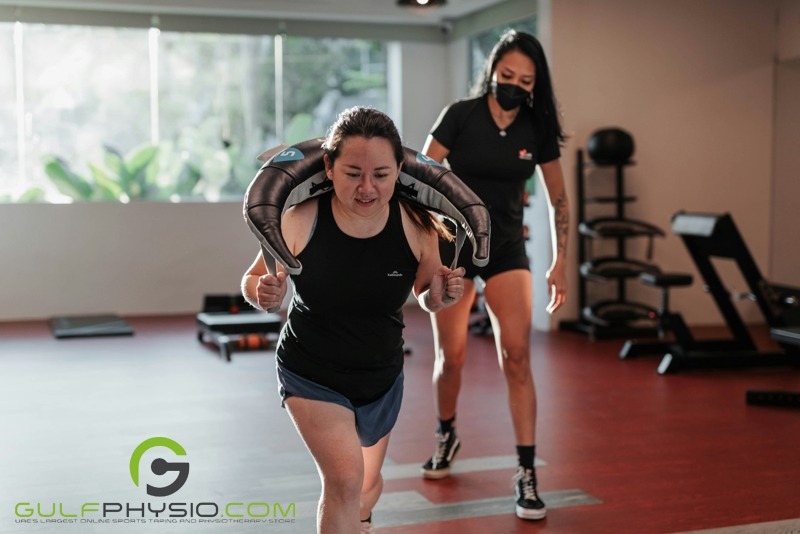
Learn Proper Form
As mentioned in the previous section, many individuals get injured because of engaging in exercises with a lack of experience. While our bodies are resilient, improper form can cause unnecessary strain on our joints and ligaments and can lead to future pain and complications.
If you’re going to a gym for the first time, don’t hesitate to ask for help from qualified trainers to make sure you’re making the most out of your workout.
Stay Hydrated
When you get into the flow, it’s sometimes easy to forget that you need to replenish your fluids. Make sure to bring a filled water bottle to your gym sessions, or even an electrolyte drink, and take a few sips before, during, and after your workouts.
Listen To Your Body and Know Your Limits
It’s important to pay attention to your body, particularly when you’re feeling sick or exhausted. It’s recommended to avoid working out if you’re sick or really exhausted. If you can’t finish a workout, feel lightheaded afterward, feel more exhausted during the day, or have ongoing joint pain, it’s best to reduce your workout intensity. Ignoring this pain can lead to serious harm.
The Role Physiotherapy in Injury Treatment
Some of you reading this may be wondering, “What is physiotherapy?”. To put it simply, physiotherapy (a.k.a. physical therapy) is a health science that aims to improve human function and movement by maximizing physical potential.
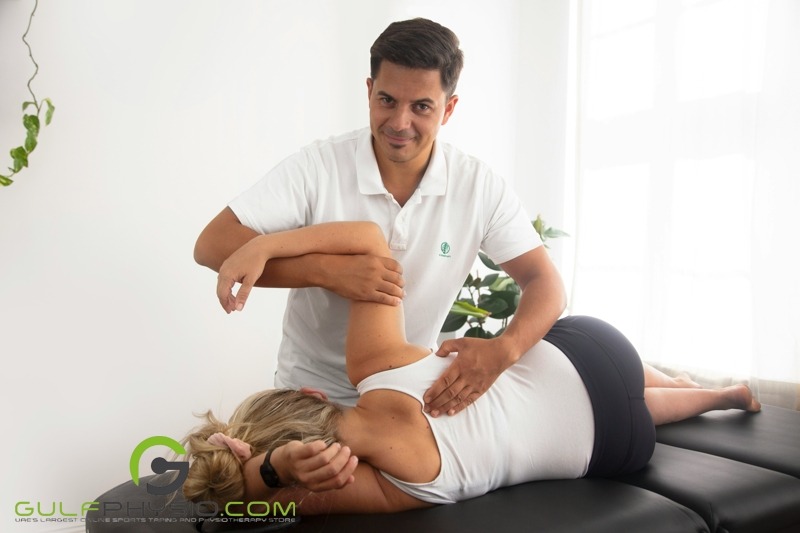
By this definition, we can already establish that in the scenario of an injury, the goal of physiotherapy is to rehabilitate and restore the function of an injured area. Which is why it is important to seek the professional help of a licensed physiotherapist in the event of an injury to increase the chances of a successful recovery.
To support these statements, a research paper from 2025 aimed to find out the role of physical therapy in the functional recovery of individuals who experienced sports-related orthopaedic injuries.
Participants in the study suffered a myriad of injuries; the injuries included sprains and strains, injury to the ligaments or tendons, fractures, and dislocations. These participants were required to be undergoing physical therapy and had to have completed physical therapy sessions in the four weeks leading up to the study.
The results came back positive in supporting the statement that physiotherapy proves effective in rehabilitating and restoring injured areas back to functionality. In this first table, 86.11% of the participants reported reduced pain in the injured area.
80.09% of the participants also reported an improvement in the range of motion of the injured area after undergoing physiotherapy.
In cases where the participant’s injuries decreased the functionality of the affected limb, 73.61% of participants reported that physical therapy was effective in restoring the functional performance of the affected body part.
Lastly, the research found that a majority, 63.89%, of participants would willingly return to their respective sports despite suffering an injury after undergoing physiotherapy.
Our Final Thoughts
Physical fitness has become more commonplace in our lives, especially after the COVID-19 pandemic. More and more people are taking their health more seriously by engaging in sports, physical activities, and, of course, going to their local gym.
Yet with this newfound interest in health and exercise is the increased risk of injury, especially for people who lack experience, knowledge, and information on how to stay safe while engaging in gym activities.
Preventing injuries and even diseases from becoming common occurrences at the gym, both management and members must stay informed and aware of all the risks, and always take the necessary precautions to ensure the local gym remains a space where everyone, regardless of experience, feels safe to engage in their respective activities.
After all, we all just want to stay healthy and safe on our fitness journeys.
Disclaimer
GulfPhysio.com and all of its content are for informational purposes only. GulfPhysio.com and all of its content are for informational purposes only. The authors believe all information is accurate at the time of posting and readers should NOT take it as professional medical advice. Please seek a medical professional in the event of pain or injury.