

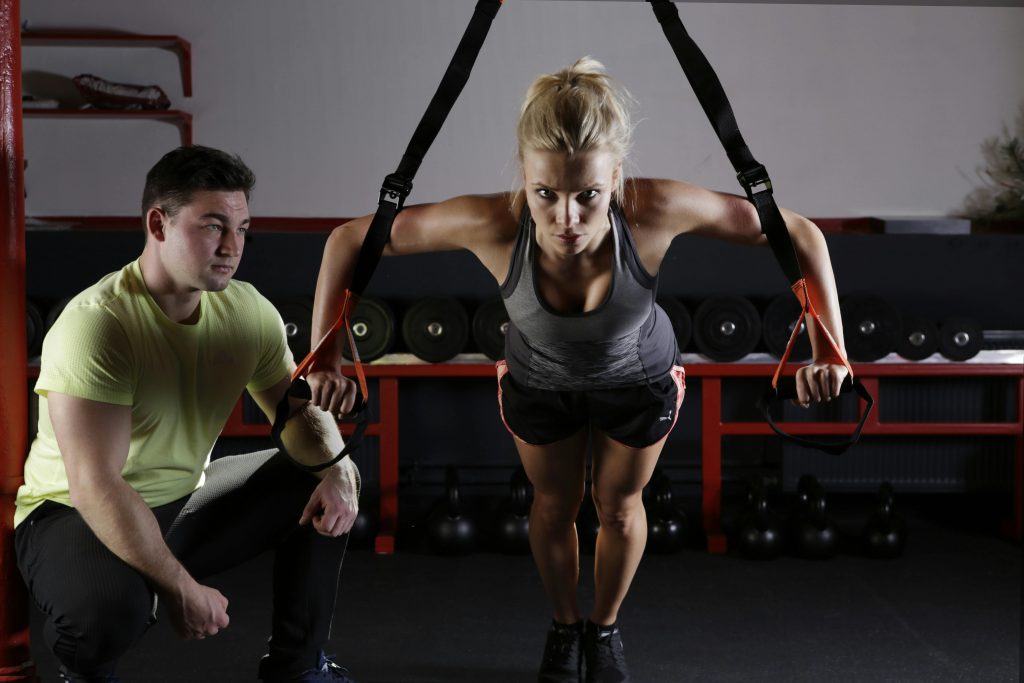
Understanding your needs guides safe and smart progress. You take control of your health and protect yourself from setbacks.
Many people deal with back pain, knee discomfort, ankle sprains, or shoulder strain. Besides, these issues affect exercise choices and training intensity. You choose goals with intention, such as boosting strength, improving mobility, or getting support after rehab.
Each goal shapes the structure of your plan. Create a list of questions before meeting a coach. Ask about safe exercise options, warm-ups for your condition, and recovery strategies. You gain clarity with every answer. You also build trust early. Select a personal trainer who understands injury prevention for better training and better results.
Understand Your Injury History and Fitness Goals
You stay safer when you understand how your body functions right now. Old injuries shape the way you move and train. Back strain, hip discomfort, elbow pain, or plantar fasciitis may still influence your exercise choices. You gather helpful information when you think through each issue.
Goals give your fitness plan direction. You might want stronger legs, better mobility, or support during rehab. Each target leads you to better decisions and better exercises.
On the other hand, guessing often leads to frustration. You start smart with a short plan that respects your current limits. Ask yourself what outcomes matter most. Write them down. Above all, use these notes to guide discussions with a trainer. You protect progress and avoid setbacks right from the start.
Look for Relevant Certifications and Education
You deserve guidance from a trained professional. Trainers who study corrective exercise understand how bodies move under stress. Certifications like NASM CES or ACE Medical Exercise Specialist show deeper knowledge. They learn movement tests, injury-safe routines, and smart progression. CPR and first-aid training support safety during tough sessions.
You gain peace of mind knowing your coach understands risk. Fake or unverified credentials create trust issues. You should review them before you train. You can also ask how recently they updated their education. Learning never stops in fitness.
Similarly, a confident trainer explains why they chose certain courses. You learn more about their passion for safety and performance. You want someone who grows with science, not someone who stays stuck in old methods.
Explore Online Coaching Options
Online coaching gives flexibility to people who want expert guidance without strict schedules. You can train at home, outdoors, or even while traveling. Then again, not every platform supports proper form checks, so choose options that provide live video or recorded feedback. Trainers can review movements and adjust exercises before problems arise. You stay engaged because updates come often. You stay safe because modifications happen fast.
In the middle of your decision, think about how to reach your goals with online coaching and still protect your body. Ask about support during setbacks or flare-ups. Ask how they track progress between sessions. Therefore, remote programs stay personalized and fit your needs. You gain structure and confidence through each step. Online guidance keeps you moving right and moving forward.

Ask About Experience Working With Injured Clients
You gain confidence when you hire someone who has supported clients with similar challenges. Experience matters because recovery patterns vary. People with shoulder instability need different guidance than those with lumbar pain.
Ask about real success stories. However, make sure they describe safe progress instead of risky shortcuts. A skilled coach knows how to adjust intensity, equipment, and technique. They talk to healthcare providers when needed. You get stronger without pain flares. They notice early warning signs and prevent setbacks.
With this in mind, look for trainers who communicate clearly during every rep. You want answers, not confusion. The right coach stays alert and cares about every move. You become more aware of your form and control. Your training improves quickly.
Evaluate Their Assessment Process
An effective trainer checks how you move before designing your plan. You step, bend, rotate, and reach so they can spot limits or risky habits. In contrast, skipping assessments often leads to mistakes during workouts. You deserve a program that fits your abilities today.
Movement screens give direction and reveal what needs correction. Trainers who rely on random routines often ignore safety. A strong assessment includes mobility checks for ankles, hips, thoracic rotation, shoulders, and posture. You learn where to focus each week. In short, the right foundation boosts results faster. You walk away with more clarity and less stress. This step creates trust between you and your coach. Your movements improve because someone understands what your body needs at every stage.

Prioritize Communication Style and Trust
You feel motivated when you understand each instruction given by a personal trainer who understands injury prevention. The right trainer listens without judgment. They ask how your body feels before changing plans. As a matter of fact, clear communication prevents mistakes and unnecessary pain. This is the reason why many people choose to work alongside a professional trainer. About 12.5% of gym-goers use one, and the demand for personal trainers is increasing. You deserve someone who checks in during complex exercises.
They explain cues in simple language. You respond better because directions stay clear. You stay calm even when training intensifies. Notice how they speak when you ask questions. Respect builds trust. Nevertheless, rushing through explanations creates confusion and stress. You should trust your coach with your goals and your comfort. Good teamwork improves learning. You feel more willing to challenge yourself.
Ask About Their Collaboration With Healthcare Pros
Strong collaboration strengthens your recovery and performance. Trainers who respect medical advice help you progress safely. They stay in contact with physical therapists or doctors when needed. They use recommendations to refine their exercises. You receive consistent guidance instead of mixed messages. You avoid risky movements that delay healing. You improve stability, strength, and confidence together. They celebrate every gain while watching for warning signs.
For this reason, choose someone who values teamwork and communication. Medical professionals appreciate trainers who ask smart questions. You get a supportive team focused on your success. Every step forward deserves expert attention, and you control that by hiring someone serious about your health.
Stay Safe, Train Smart with a Personal Trainer Who Understands Injury Prevention
Choose smart guidance so your body stays strong and safe. A personal trainer who understands injury prevention supports progress without setbacks. You protect your joints and move better every week. In summary, invest in someone who listens, adapts, and cares. You train with confidence and reach goals that feel great today and tomorrow.