
Disinfectants, Antiseptics and Surface Cleaners
Showing all 12 results
Jump to: Who It's For | How to Choose | Conditions | Compare | FAQs
Medical-grade disinfectants, antiseptics, and surface cleaning solutions designed for infection control, wound care, and environmental hygiene in clinical, hospital, and home settings.









Disinfectants, Antiseptics and Surface Cleaners Overview
Disinfectants, antiseptics, and surface cleaners are chemical hygiene agents used to reduce or eliminate harmful microorganisms. While they are often grouped together, each serves a distinct function in infection control, sterilization support, and environmental cleaning.
Antiseptics are applied to living tissue such as skin to reduce microbial load. Disinfectants are used on non-living surfaces like floors, medical equipment, and hospital environments. Surface cleaners often combine detergents and antimicrobial agents to physically remove and chemically reduce contamination.
These products are widely used in hospitals, clinics, laboratories, physiotherapy centers, and home care environments to prevent infection transmission and maintain hygiene standards.
Who It's For
This category is designed for healthcare professionals, physiotherapists, caregivers, clinic owners, and home users who require reliable infection control solutions.
- Hospitals and surgical units requiring high-level disinfection protocols
- Physiotherapy and rehabilitation clinics managing shared equipment hygiene
- Home caregivers treating wounds or preventing infection spread
- Laboratories and diagnostic centers maintaining sterile environments
How to Choose
Selecting between disinfectants and antiseptics depends on application type, microbial risk level, and surface compatibility.
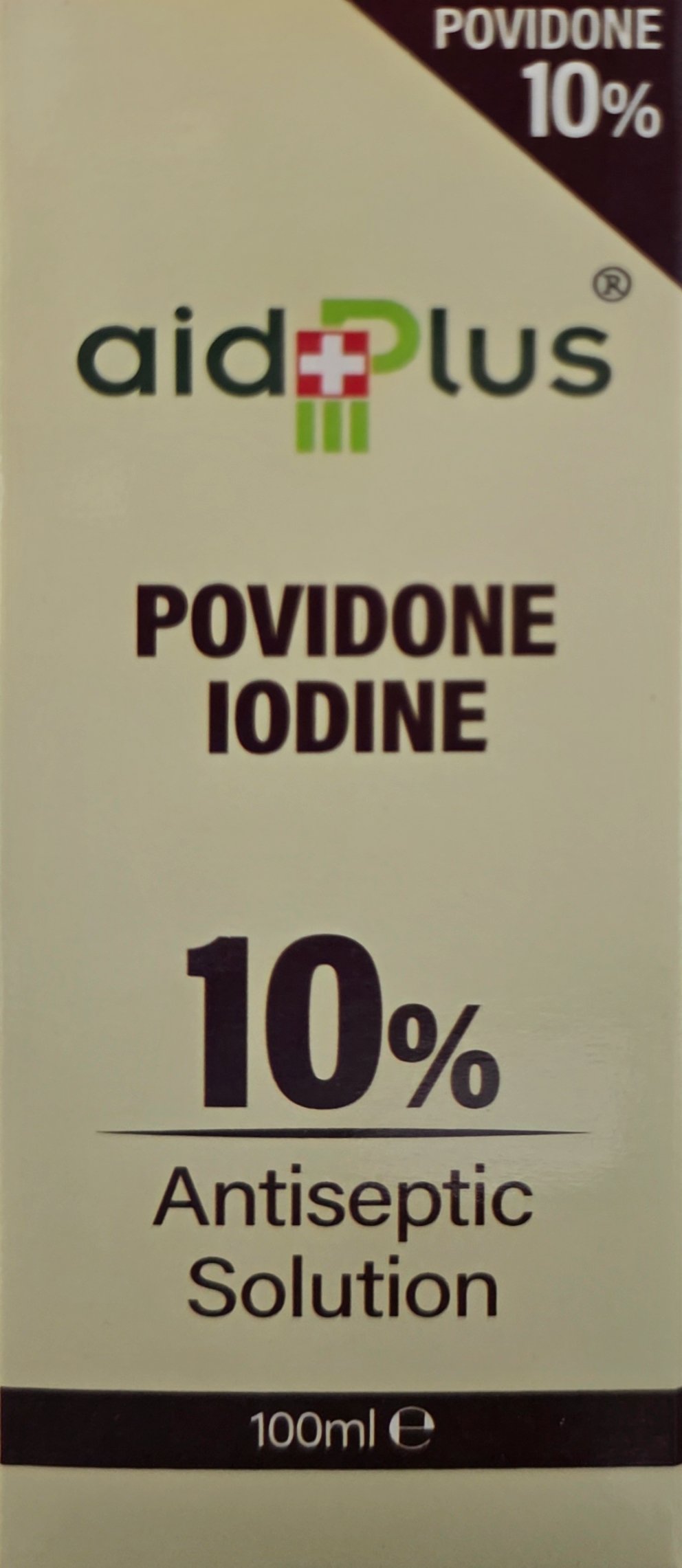
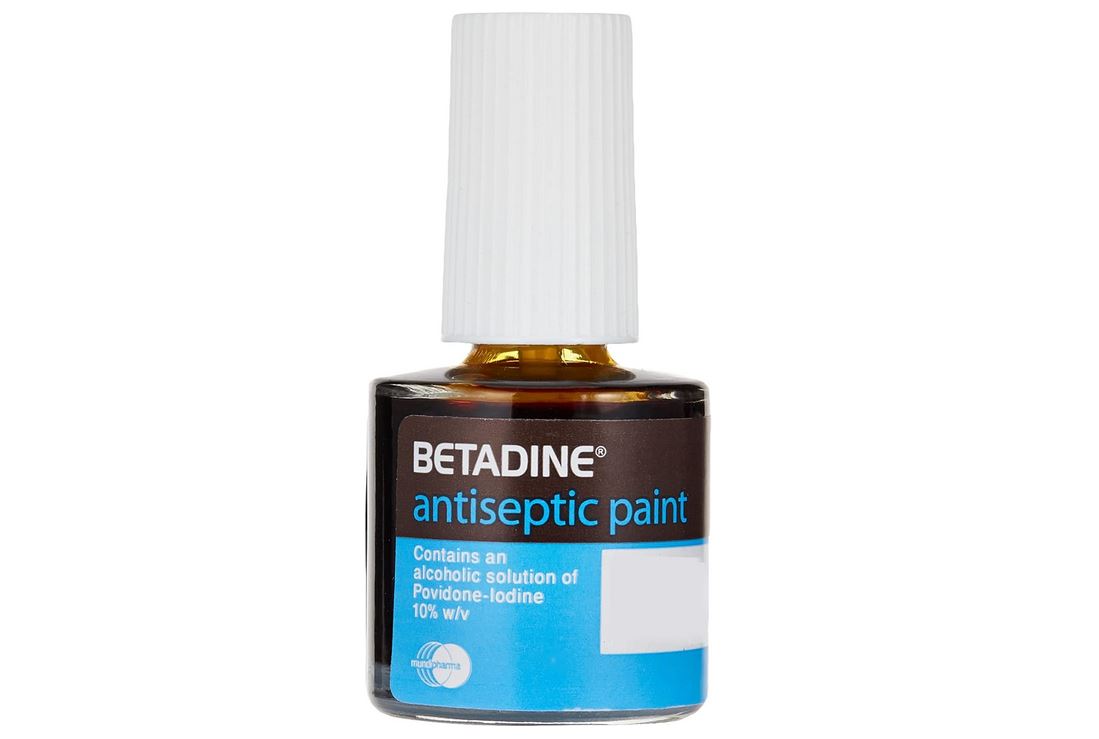
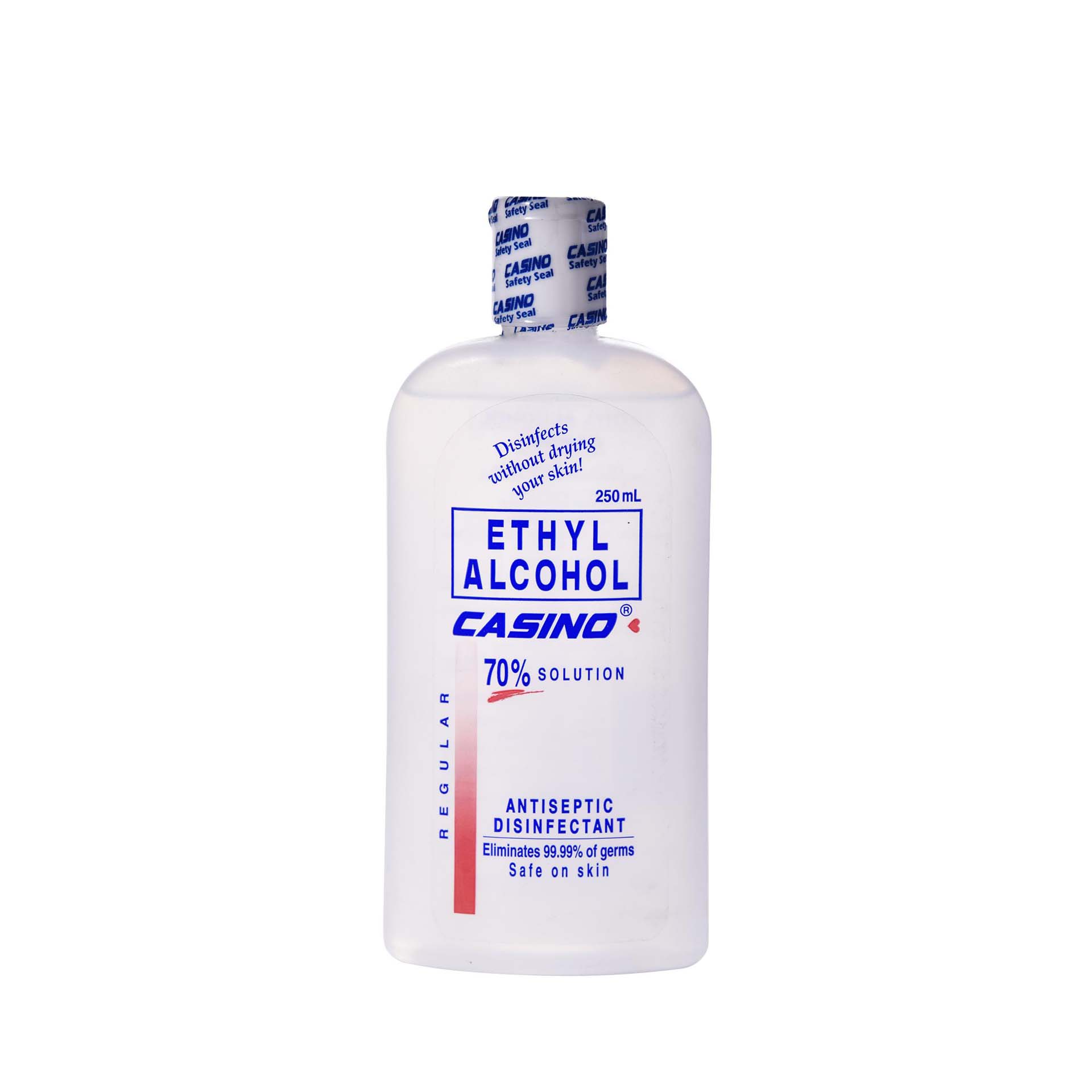
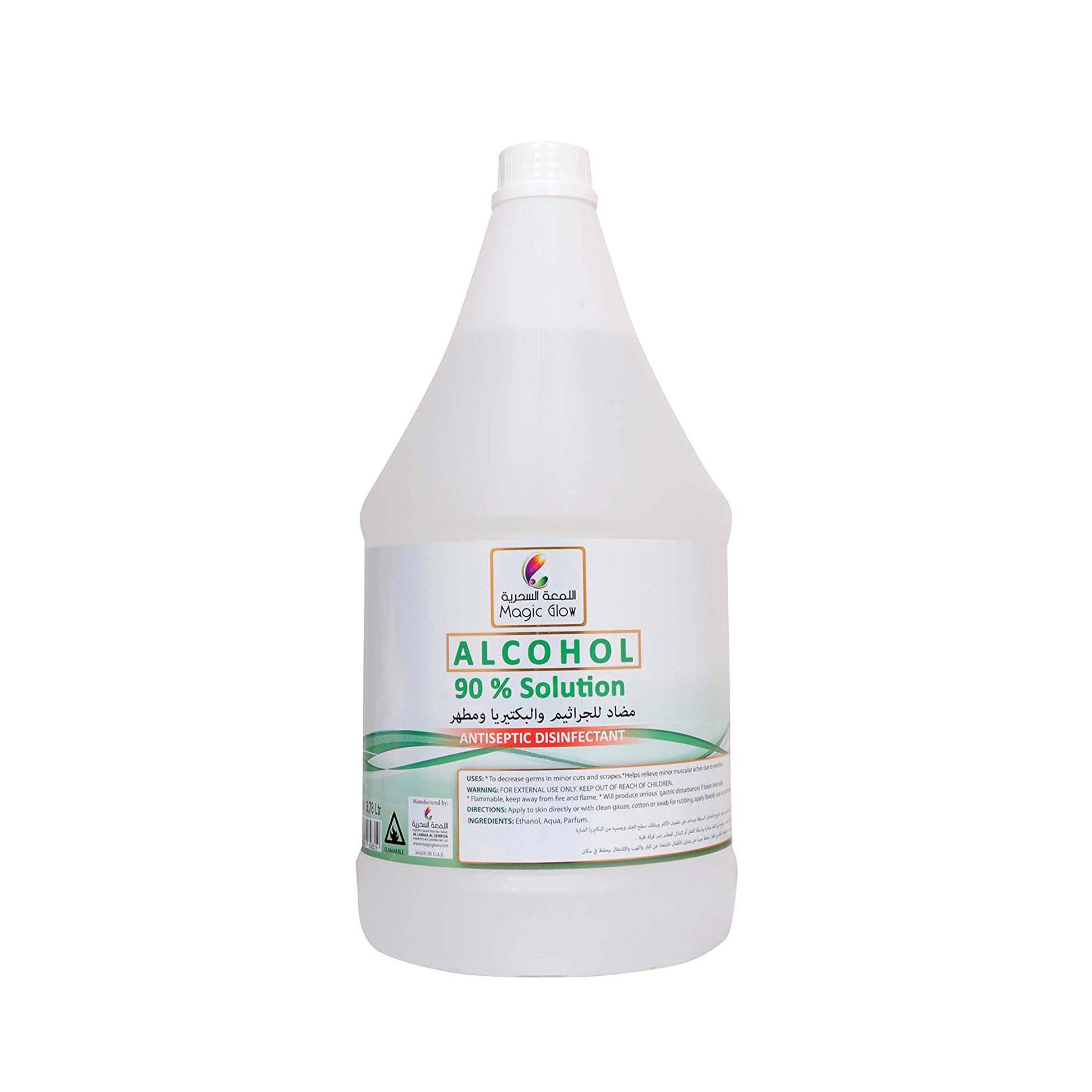
- For skin or wounds: use antiseptic solutions such as alcohol-based or iodine-based formulations
- For surfaces and equipment: use hospital-grade disinfectants (e.g., quaternary ammonium compounds)
- For high-risk environments: choose broad-spectrum disinfectants effective against bacteria, viruses, and fungi
- For general cleaning: surface cleaners combining detergent + antimicrobial action are sufficient
Always check compatibility with materials (metal, plastic, fabric) and required contact time for microbial elimination.
What Conditions Does This Product Range Solve
These products are used to manage and prevent contamination-related risks across medical and non-medical environments.
- Prevention of surgical site infections (SSI)
- Control of cross-contamination in clinics and hospitals
- Reduction of microbial load on skin before procedures
- Surface decontamination in operation theatres and treatment rooms
- Control of pathogens on reusable medical instruments
They are essential in breaking the chain of infection and maintaining aseptic conditions.
Compare Product vs Product
Antiseptic vs Disinfectant
- Antiseptic: Safe for skin and living tissue; used for cuts, wounds, and pre-surgical preparation
- Disinfectant: Used on surfaces and instruments; not safe for direct skin application
Disinfectant vs Surface Cleaner
- Disinfectant: Chemically destroys microorganisms after cleaning
- Surface cleaner: Removes dirt and debris; may include mild antimicrobial agents
Antiseptic vs Antibacterial
- Antiseptic: Broad microbial reduction on skin
- Antibacterial: Targets bacteria only, not viruses or fungi
FAQs
What is the difference between disinfectant and antiseptic?
Antiseptics are used on living tissue like skin, while disinfectants are used on non-living surfaces to kill microorganisms.
Can disinfectants be used on skin?
No. Most disinfectants are too harsh for skin and may cause irritation or chemical burns.
What are common antiseptics?
Alcohol-based solutions, iodine-based solutions, chlorhexidine, and hydrogen peroxide are commonly used antiseptics.
What are disinfectants used for in hospitals?
They are used to clean surgical tools, beds, floors, and medical equipment to prevent hospital-acquired infections.
Are surface cleaners the same as disinfectants?
No. Surface cleaners remove dirt, while disinfectants destroy microorganisms. Some products combine both functions.