
AEDs and Defibrillator Supplies
Showing all 11 results
Jump to: Who It's For | How to Choose | Conditions | Compare | FAQs
Shop AEDs, defibrillator pads, replacement batteries, cabinets, signage, and training accessories for clinics, schools, gyms, workplaces, ambulances, and public access settings.

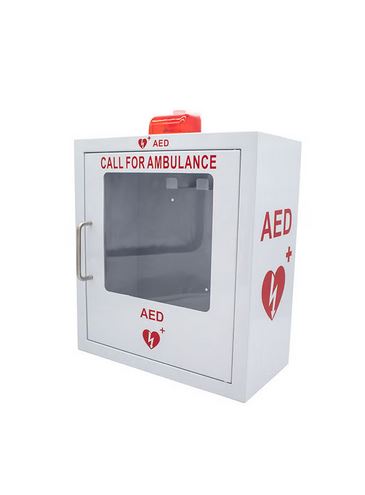

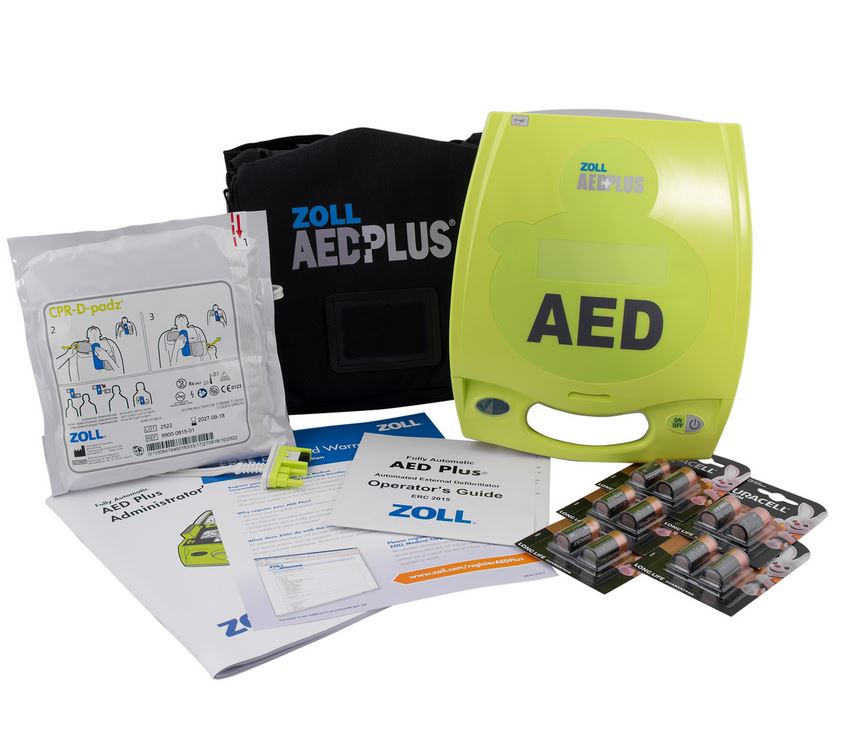

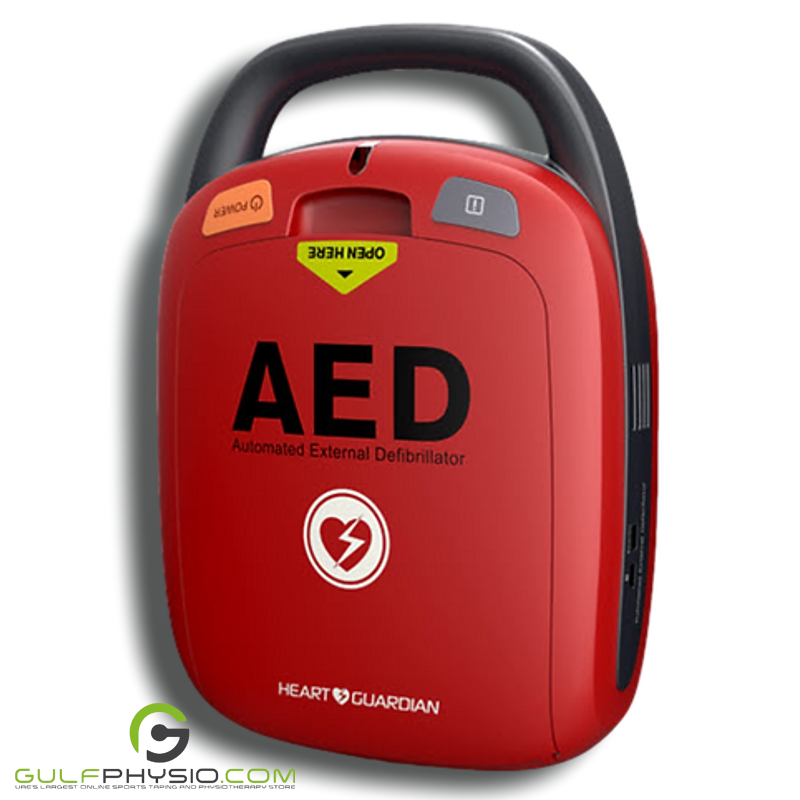

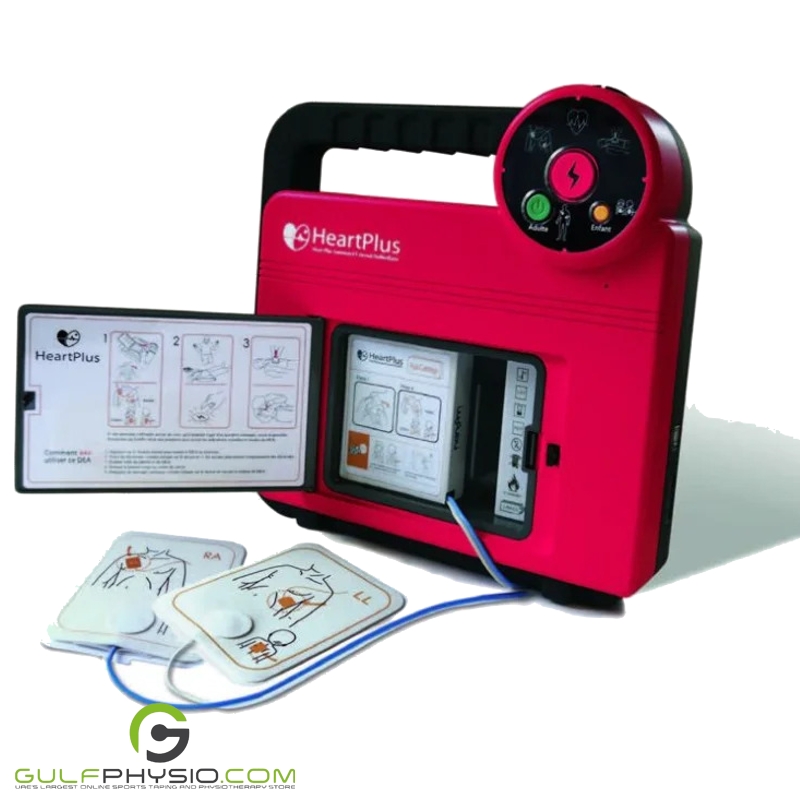

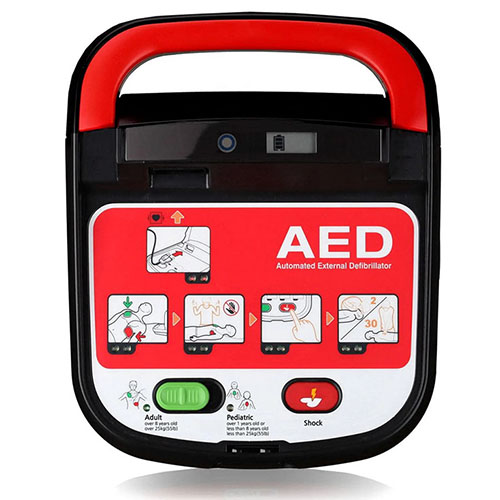

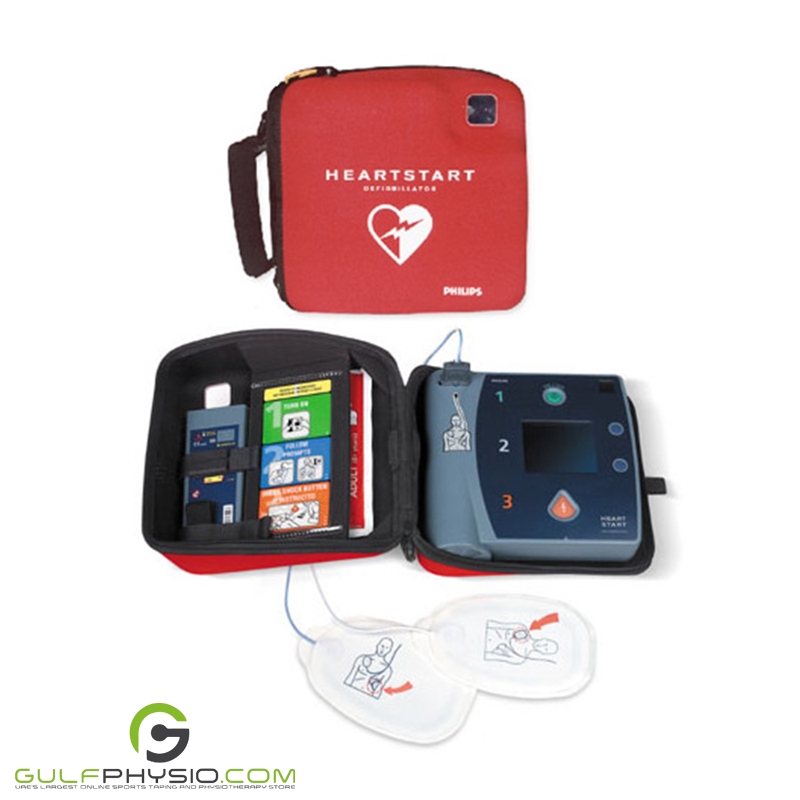


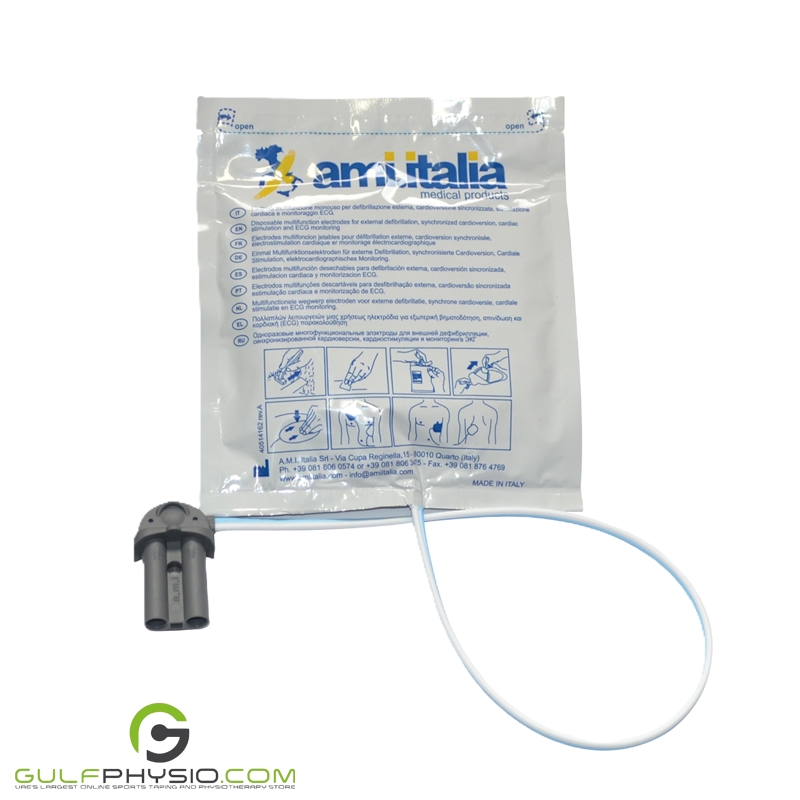

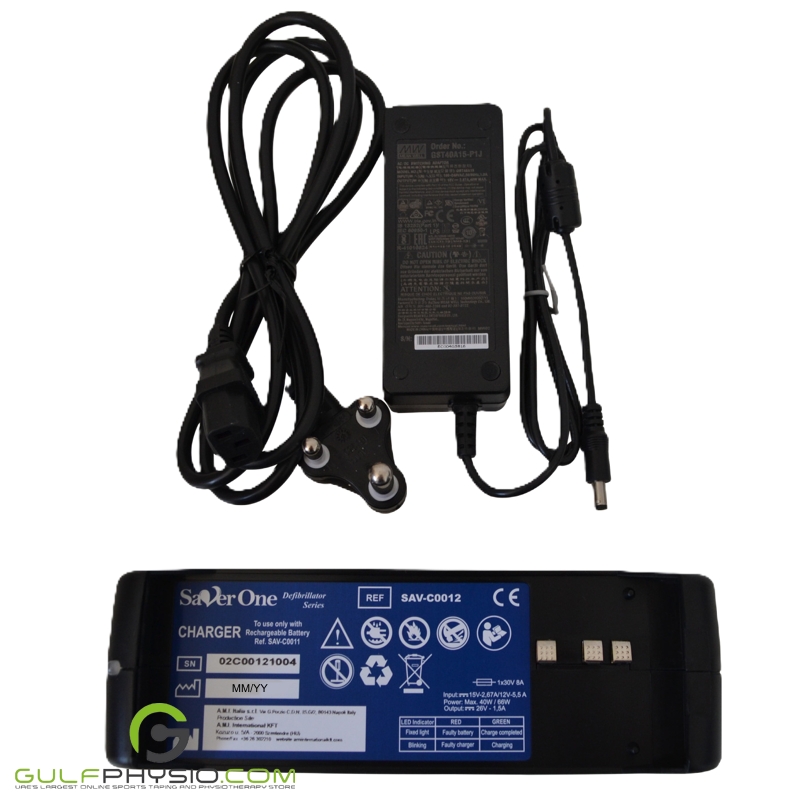

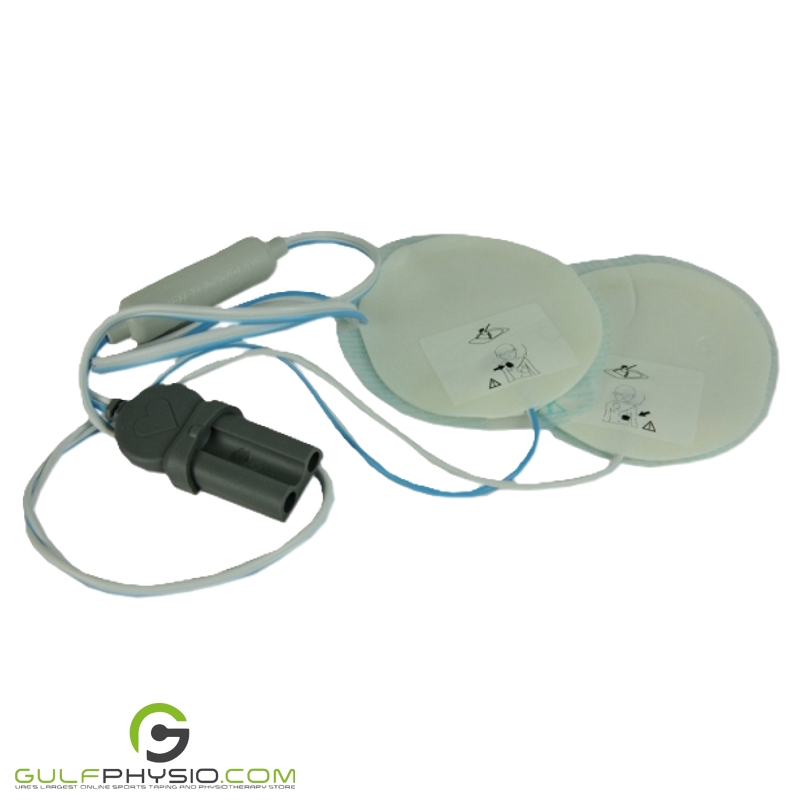

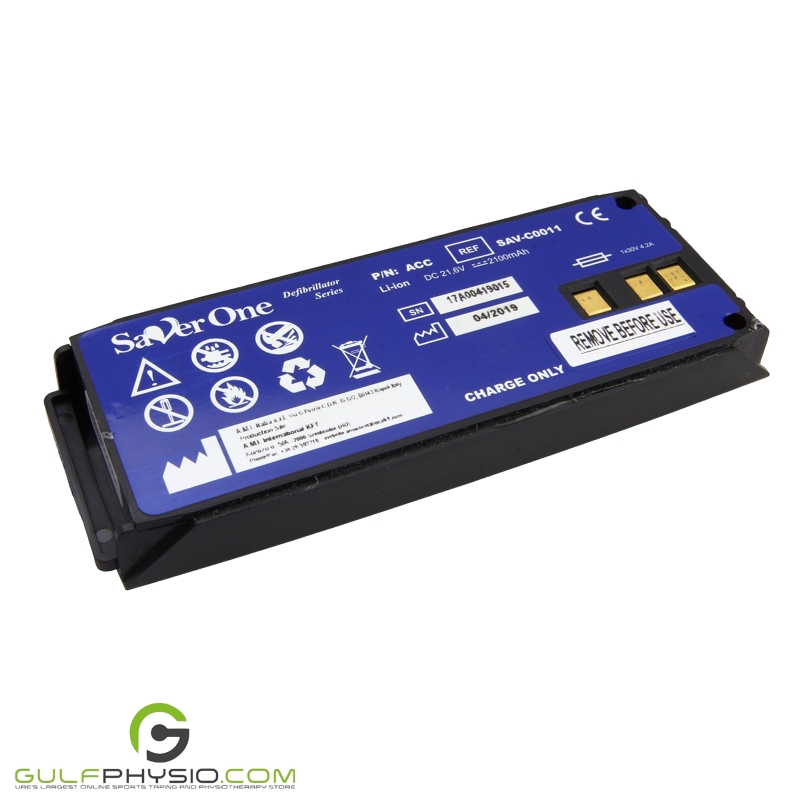
AEDs and defibrillator supplies are critical for rapid response to sudden cardiac arrest in clinics, hospitals, schools, gyms, workplaces, ambulances, sports facilities, and public access areas. This category includes automated external defibrillators, replacement pads, batteries, cabinets, wall signage, rescue kits, and training accessories that help keep your emergency response setup visible, compliant, and ready for use.
Whether you are equipping a new location, replacing expired consumables, or maintaining a public access defibrillation program, choosing the right AED supplies supports faster intervention, better device readiness, and a safer response pathway during time-sensitive cardiac emergencies.
Who It's For
This category is designed for hospitals, clinics, physiotherapy centers, medical offices, schools, universities, factories, warehouses, hotels, airports, malls, gyms, sports clubs, ambulances, event organizers, and workplace safety teams that need dependable AED devices and defibrillator accessories on hand. It is also relevant for first aid coordinators, occupational health departments, emergency preparedness teams, and CPR training providers responsible for keeping defibrillator programs operational.
If your facility already has an AED, this section is equally important for ongoing maintenance. Replacement electrode pads, batteries, cabinets, signage, and rescue kits help ensure the unit remains visible, accessible, and ready when a cardiac arrest emergency occurs.
How to Choose
Start by identifying whether you need a complete AED unit, a replacement component, or supporting accessories for storage, visibility, and training. If you are purchasing a device for a public or workplace environment, consider user simplicity, voice prompts, pad compatibility, battery life, self-testing features, and whether pediatric support is required. If you already own a machine, match replacement pads and batteries to the exact model and brand to maintain safe compatibility.
For schools, family venues, and pediatric settings, child-capable options matter. For gyms, sports fields, factories, and public access sites, visibility and fast access are equally important, so cabinets, alarmed storage, rescue kits, and wall signage should be part of the setup. For CPR instructors and internal staff training, trainer AEDs and demonstration accessories help build response confidence without using live rescue stock.
When comparing products, think in terms of complete response readiness: the AED device, the correct adult or pediatric pads, the battery, a storage or wall-mount option, clear signage, and a basic rescue kit. A category page that helps users buy the full response system will perform better semantically than one focused only on the machine itself.
What Conditions does this product range solve
AEDs and defibrillator supplies support emergency response for sudden cardiac arrest, where rapid defibrillation can be critical to restoring a shockable heart rhythm. These products do not replace medical diagnosis or ongoing cardiac care, but they play a frontline role in emergency intervention while waiting for advanced medical services to arrive.
This product range helps solve practical readiness issues such as expired pads, low or expired batteries, poor device visibility, incomplete rescue stations, lack of pediatric support, and weak staff preparedness. In operational terms, the category addresses response gaps in cardiac emergency preparedness, public access defibrillation, first aid room setup, workplace safety compliance, and CPR training readiness.
Compare product vs product
Semi-automatic AED vs fully automatic AED
Semi-automatic AEDs analyze heart rhythm and instruct the rescuer to press the shock button when advised. Fully automatic AEDs analyze rhythm and deliver the shock automatically when indicated. Semi-automatic models may appeal to trained responders who want control over shock delivery, while fully automatic models are often preferred in public access settings where simplicity is a priority.
Complete AED unit vs replacement pads and batteries
A complete AED unit is needed when equipping a new site or replacing an outdated device. Pads and batteries are the right purchase when maintaining an existing defibrillator. Many buyers search for AEDs when they actually need replacement consumables, so the category should make the distinction clear to reduce friction and improve conversion.
Adult pads vs pediatric pads
Adult pads are standard for most workplace and public access environments. Pediatric pads are intended for child-compatible response protocols and are especially relevant for schools, family venues, and sports facilities serving younger age groups. Buyers should always confirm device compatibility and intended patient range before ordering.
AED cabinet vs wall bracket
AED cabinets provide better protection, stronger visibility, and often include alarms for tamper awareness or emergency retrieval. Wall brackets take up less space and offer simpler open access. Cabinets are usually preferred in public and shared spaces, while brackets may suit controlled clinical or staff-only environments.
Live rescue AED vs trainer AED
Live rescue AEDs are used in real emergencies and require active pads, batteries, and ongoing maintenance. Trainer AEDs are designed for instruction, CPR classes, and drills. Organizations that want stronger emergency preparedness often need both: one for real incidents and one for structured staff training.
FAQs
What is an AED?
An AED, or automated external defibrillator, is a portable device that analyzes heart rhythm and can deliver a shock when a shockable rhythm is detected during sudden cardiac arrest.
What supplies are usually needed with an AED?
Common AED supplies include replacement pads, batteries, pediatric electrodes, wall cabinets, signage, rescue kits, carry cases, and trainer accessories for CPR instruction.
How often do AED pads and batteries need to be replaced?
Replacement intervals vary by manufacturer and model. Pads and batteries typically have labeled expiry dates, so facilities should inspect them routinely and replace them before expiration.
Do I need pediatric pads?
If the AED may be used in environments where children are present, pediatric-compatible accessories should be considered. Schools, sports clubs, pediatric clinics, and family-focused venues often benefit from including them.
Can I use any pads or battery with any AED?
No. AED pads and batteries are model-specific in many cases. Buyers should always match the accessory to the exact AED brand and model.
What is the difference between an AED and a manual defibrillator?
An AED is designed to guide the rescuer with automated rhythm analysis and simple prompts, making it suitable for public access and first-response use. A manual defibrillator is typically used by advanced medical professionals in more controlled care environments.
Why are AED cabinets and signage important?
Cabinets and signage improve visibility, reduce response delays, and help staff or bystanders locate the defibrillator quickly during a cardiac emergency.
Should this category include trainer AEDs?
Yes. Trainer AEDs strengthen the topical completeness of the category and support customers responsible for CPR instruction, emergency drills, and staff preparedness programs.