
CPR and Resuscitation Supplies
Showing all 3 results
Jump to: Who It's For | How to Choose | Conditions | Compare | FAQs
CPR & resuscitation supplies help responders deliver safer, faster emergency care during cardiac and breathing emergencies. This range includes CPR masks, face shields, one-way valves, pocket masks, and bag valve masks for first aid teams, clinics, training centers, and emergency preparedness kits.


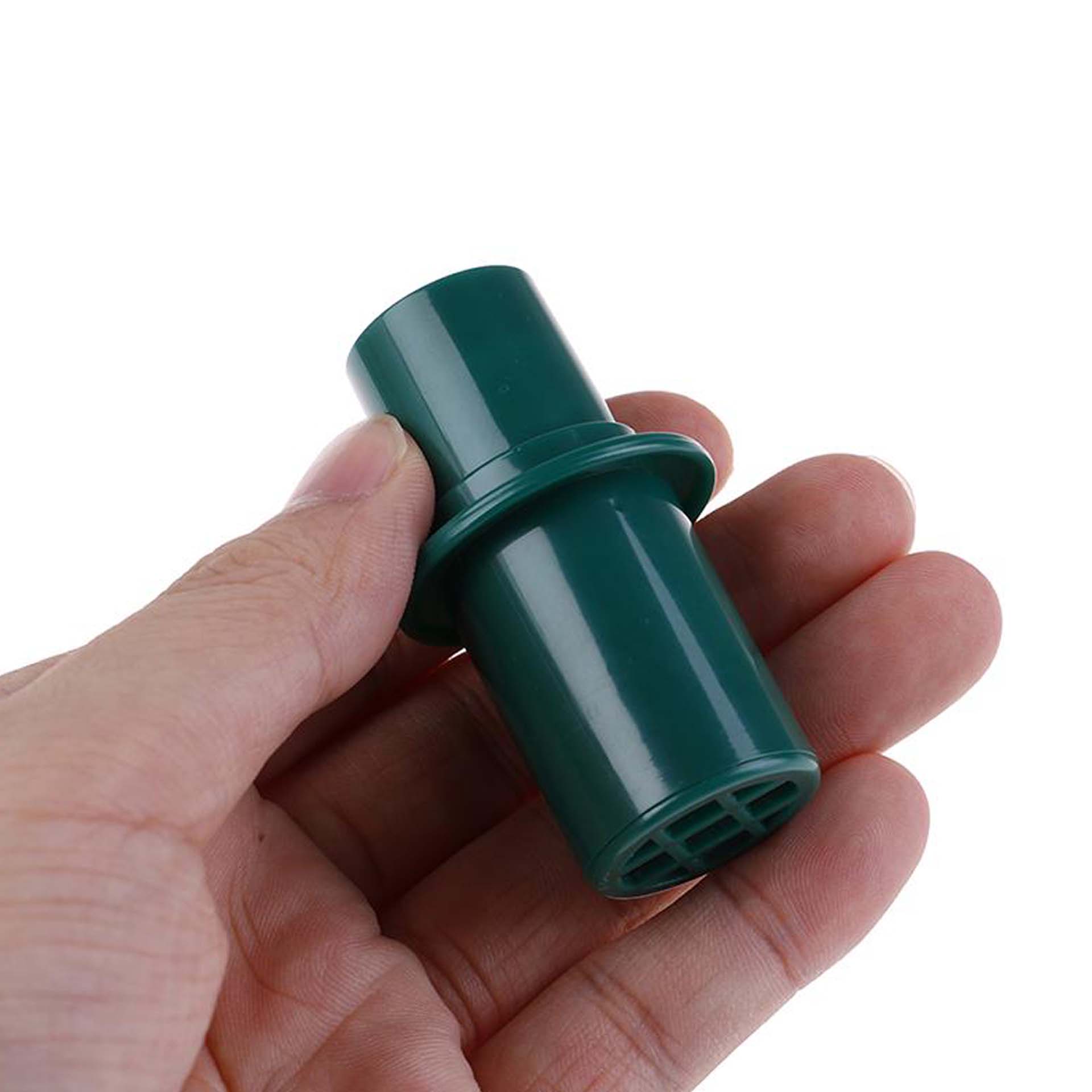

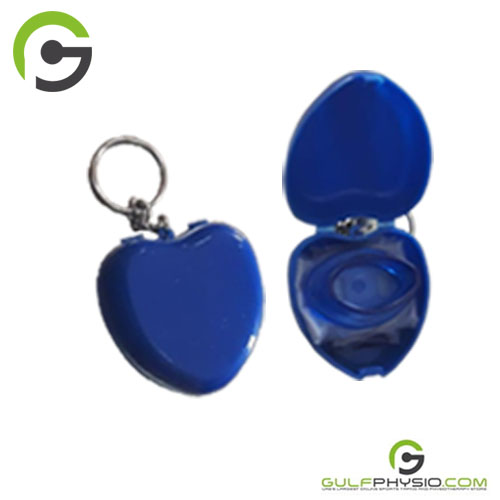
CPR & resuscitation supplies are essential emergency response tools used to support airway management, rescue breathing, and barrier protection during life-saving interventions. Whether you are equipping a clinic, ambulance, first aid room, sports venue, workplace, school, or training center, the right resuscitation equipment helps responders act quickly, reduce hesitation, and maintain better infection control. This category includes CPR face shields, pocket masks, one-way valves, bag valve masks, and related accessories selected for emergency preparedness, first aid response, and professional clinical use.
Who It's For
CPR & resuscitation supplies are used by first aid responders, paramedics, nurses, physicians, physiotherapists covering sports events, occupational health teams, lifeguards, schools, gyms, industrial safety teams, and emergency preparedness coordinators. They are also important for CPR instructors and training organizations that need dependable practice and demonstration equipment. For workplaces and public-access settings, these products support faster response during sudden cardiac arrest, respiratory collapse, drowning incidents, choking-related emergencies, and other critical events where assisted ventilation or barrier protection may be needed.
These products are especially relevant for facilities that maintain first aid kits, AED stations, emergency trolleys, sports medicine bags, ambulance equipment sets, and resuscitation training stations. Choosing the right mix depends on whether the products are intended for real-world emergency use, simulation, or both.
How to Choose
Start by deciding whether you need training equipment, emergency response equipment, or a combination of both. Training items may prioritize replaceable parts, cost efficiency, and compatibility with manikins, while emergency-use items should prioritize seal quality, speed of deployment, portability, visibility, and infection-control features.
When comparing CPR & resuscitation supplies, look at the following:
- Type of barrier: face shield, pocket mask, or bag valve mask.
- One-way valve design: helps reduce cross-contamination and improves responder confidence.
- Adult or pediatric use: choose the right mask size and intended patient range.
- Portability: keychain CPR masks and compact shields suit mobile first responders and public kits.
- Oxygen compatibility: some masks and BVM systems support oxygen inlet connection for advanced response settings.
- Seal and fit: a better facial seal can improve ventilation performance.
- Disposable vs reusable: consider infection-control protocol, reprocessing needs, and stocking frequency.
- Training compatibility: check whether practice valves, manikin parts, or replacement lungs are needed.
For basic first aid and public-response kits, CPR face shields and pocket masks are common choices because they are compact and easy to deploy. For ambulances, clinics, and advanced response teams, bag valve masks and airway-related accessories are more suitable where higher-volume assisted ventilation may be required by trained personnel.
What Conditions does this product range solve
CPR & resuscitation supplies do not treat the underlying medical condition themselves, but they support emergency intervention during life-threatening events where breathing or circulation has stopped or become critically impaired. They are used in response to:
- Cardiac arrest where CPR must begin immediately.
- Respiratory arrest or severe breathing failure requiring assisted ventilation.
- Drowning incidents where rescue breathing may be part of the response.
- Choking-related collapse after airway obstruction events.
- Drug overdose emergencies involving respiratory depression.
- Trauma-related unresponsiveness where airway and breathing support are urgently needed.
- Medical emergencies such as collapse, seizure-related breathing compromise, or sudden loss of responsiveness.
In practical terms, this product range helps responders deliver rescue breaths more safely, maintain a barrier between rescuer and casualty, improve readiness at the point of care, and standardize emergency equipment across clinical, sports, education, and workplace environments.
Compare product vs product
CPR face shield vs pocket mask: A CPR face shield is ultra-compact, easy to carry, and well suited for first aid kits, wallets, and public access points. A pocket mask usually provides a better seal, a more structured fit, and easier positioning during rescue breathing, making it a stronger option for trained responders.
Pocket mask vs bag valve mask (BVM): A pocket mask is simpler, more portable, and useful for many first-response scenarios. A bag valve mask is designed for more advanced ventilation support and is generally better suited to ambulances, clinics, emergency departments, and trained personnel who can operate it effectively.
Disposable valve vs reusable system: Disposable components can simplify infection control and reduce turnaround time after use. Reusable systems may be more cost-effective over time in structured clinical or training environments, provided cleaning and replacement protocols are followed.
Adult mask vs pediatric mask: Adult masks are intended for standard adult facial anatomy, while pediatric options are sized to improve seal and suitability for children. Facilities serving mixed age groups should stock both where appropriate.
Training valve vs emergency-use valve: Training valves are designed for repeated educational use and manikin practice. Emergency-use valves are intended for real casualty response and should be stocked separately to avoid confusion during critical incidents.
FAQs
What are CPR & resuscitation supplies?
They are emergency-response products used during CPR and assisted ventilation, including face shields, pocket masks, one-way valves, and bag valve masks.
Why is a one-way valve important in CPR equipment?
A one-way valve helps create a barrier between rescuer and patient, supporting infection control and giving responders more confidence to act during emergencies.
What is the difference between a CPR face shield and a pocket mask?
A face shield is flatter and more portable, while a pocket mask is more structured and usually offers a better facial seal for rescue breathing.
Who should keep CPR supplies on hand?
Clinics, ambulances, schools, gyms, workplaces, sports organizations, first aid rooms, and training centers should all consider maintaining CPR and resuscitation supplies.
Are bag valve masks suitable for all users?
Bag valve masks are generally intended for trained responders because proper ventilation technique, mask seal, and airway positioning matter during use.
Should I stock adult and pediatric CPR masks?
If your facility may respond to both adults and children, it is sensible to carry both sizes so the equipment better matches the casualty.
Can these products be used for CPR training?
Yes, but training products and live-use emergency products should be clearly separated. Training centers should also stock replacement valves and manikin-compatible parts where needed.
What should be included in a CPR response kit?
A typical setup may include a CPR face shield or pocket mask, spare one-way valves, gloves, scissors, wipes, and AED-ready accessories depending on the setting.