
Eye Wash, Eye Care and Ocular First Aid
Showing all 2 results
Jump to: Who It's For | How to Choose | Conditions | Compare | FAQs
Eye wash and eye care supplies help irrigate, protect, and support the eye after exposure to dust, debris, minor irritation, or workplace contaminants. This range includes sterile eye wash solutions, eye pads, shields, and ocular first aid essentials for clinics, first aid kits, schools, workplaces, and industrial environments.


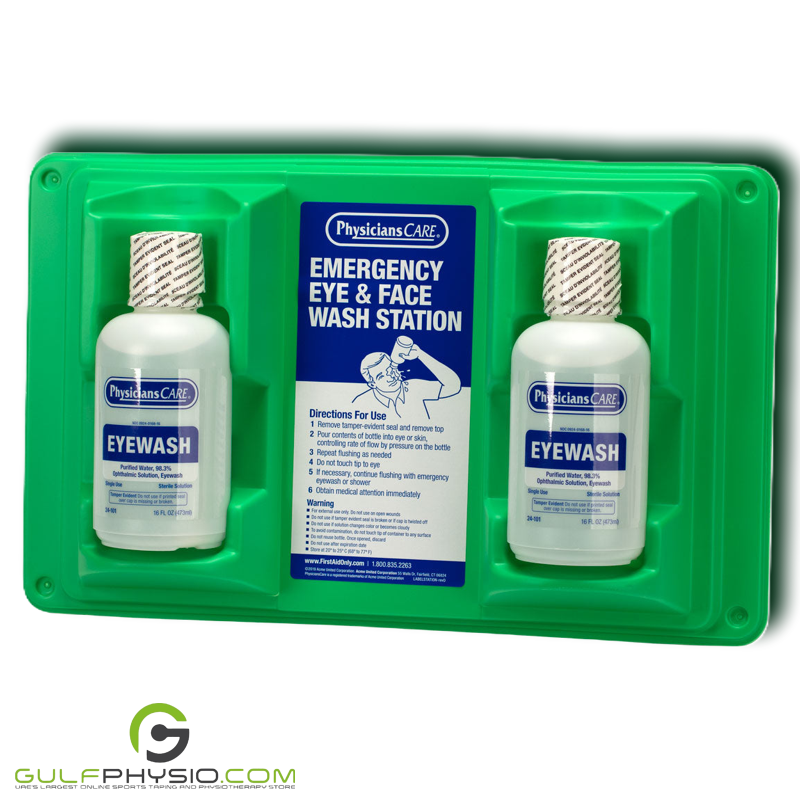
Eye wash and eye care supplies are used to irrigate the eye, flush out dust and debris, and protect the surrounding area after minor incidents or exposure. In clinical, workplace, sports, school, and first aid settings, having the right ocular first aid products ready can support a faster response and reduce delays when immediate irrigation or eye protection is needed.
This category brings together sterile eye wash solutions, eye irrigation products, eye pads, shields, and related eye care essentials designed for practical use in treatment rooms, first aid stations, medical carts, industrial safety areas, and emergency kits. Whether you are restocking a workplace eyewash point or building a clinic-ready first aid setup, choosing the right size, sterility, dispensing format, and protection type matters.
Who It's For
Eye wash and eye care products are suitable for physiotherapy clinics, medical practices, occupational health teams, schools, sports clubs, warehouses, construction sites, factories, laboratories, ambulances, and general workplace first aid stations. They are also useful for safety officers, first aid responders, nurses, athletic trainers, and facility managers who need immediate access to eye irrigation and protective eye care supplies.
For environments where dust, particles, splashes, or airborne irritants are possible, keeping sterile eye wash and ocular protection products within reach supports better preparedness. Clinics may prioritize compact sterile irrigation and eye pads, while industrial sites may need higher-volume eye wash options and dedicated first aid placement.
How to Choose
Start by matching the product to the likely use case. For immediate flushing, sterile eye wash or saline-based irrigation is often the priority. For post-irrigation protection, eye pads or shields may be more appropriate. For workplaces and industrial settings, consider whether single-use portability or station-based readiness matters more.
- Use case: eye irrigation, debris flushing, post-incident protection, or first aid restocking
- Format: single-use ampoules, bottles, portable units, or larger workplace eye wash solutions
- Sterility: choose sterile solutions for ocular first aid and controlled medical use
- Portability: compact units suit first aid kits and mobile responders
- Protection type: eye pads cover and cushion, while eye shields help protect without direct pressure
- Environment: clinic, sports field, school, lab, workshop, warehouse, or industrial safety area
When selecting products for a business or healthcare setting, it also helps to standardize around refill cycles, expiry checking, and easy staff access. The best setup is not just the product itself, but the right product placed where exposure is most likely to happen.
What Conditions does this product range solve
Eye care and eye wash products are commonly used to support first response for minor eye irritation and contamination events. This product range is relevant when managing situations such as:
- dust, sand, or airborne particle exposure
- minor debris in the eye
- workplace splash incidents requiring immediate flushing
- surface-level irritation from environmental exposure
- dryness or discomfort where sterile irrigation is appropriate
- post-incident protection using eye pads or shields
These products are intended to support first aid response, eye irrigation, and temporary protection. They do not replace urgent medical assessment where symptoms are severe, persistent, or associated with chemical burns, vision changes, deep injury, or significant pain.
Compare product vs product
Eye wash solution vs saline ampoules
Eye wash bottles are often better for quick-access flushing in workplaces, clinics, and first aid rooms where a larger volume may be needed. Sterile saline ampoules are more compact and convenient for treatment carts, travel kits, sports medicine bags, and smaller first aid packs.
Eye pads vs eye shields
Eye pads are useful when gentle coverage is needed over the closed eye area. Eye shields are better when protection is needed without applying pressure directly to the eye, especially where contact should be minimized.
Portable eye wash vs station-based eye wash
Portable eye wash products are suitable for mobile first aid response, off-site work, sports coverage, and compact kits. Station-based or larger-capacity options are more suitable for fixed workplace locations where exposure risks are ongoing and immediate access is critical.
Single-use vs multi-unit replenishment packs
Single-use units help maintain hygiene and simple disposal, while larger replenishment packs are more efficient for clinics, schools, industrial sites, and organizations managing multiple first aid points.
FAQs
What is eye wash used for?
Eye wash is used to irrigate the eye and help flush out dust, debris, and other minor contaminants. It is commonly kept in first aid kits, clinics, workplaces, and industrial environments where rapid eye irrigation may be needed.
What is the difference between eye wash and general saline solution?
Eye wash products are typically packaged and positioned specifically for ocular irrigation and first aid use. Product labeling, sterility, packaging size, and dispensing format may differ depending on the intended application.
When should I choose an eye pad instead of an eye shield?
Choose an eye pad when soft external coverage is needed. Choose an eye shield when the area needs protection without direct pressure. Product selection should match the nature of the incident and the first aid protocol being followed.
Who should keep eye wash supplies on hand?
Eye wash supplies are useful for clinics, schools, gyms, sports teams, warehouses, factories, workshops, laboratories, and offices that maintain occupational first aid equipment.
Are eye wash products useful for workplaces?
Yes. Eye wash products are widely used in workplaces where dust, particles, splashes, or irritants may come into contact with the eye. Portable and fixed-position solutions both have a role depending on the risk profile of the site.
Can these products replace professional medical treatment?
No. Eye wash and ocular first aid products support immediate first response only. Severe pain, chemical exposure, changes in vision, deep injury, or persistent symptoms require urgent medical attention.