
First Aid and Emergency Response Supplies
Showing 49–60 of 60 results
Jump to: Who It's For | How to Choose | Conditions | Compare | FAQs
First aid and emergency response supplies help clinics, workplaces, sports teams, schools, and caregivers respond quickly to injuries and urgent medical situations. Browse first aid kits, wound care items, antiseptics, CPR accessories, AED essentials, and emergency refill products for safer everyday readiness.

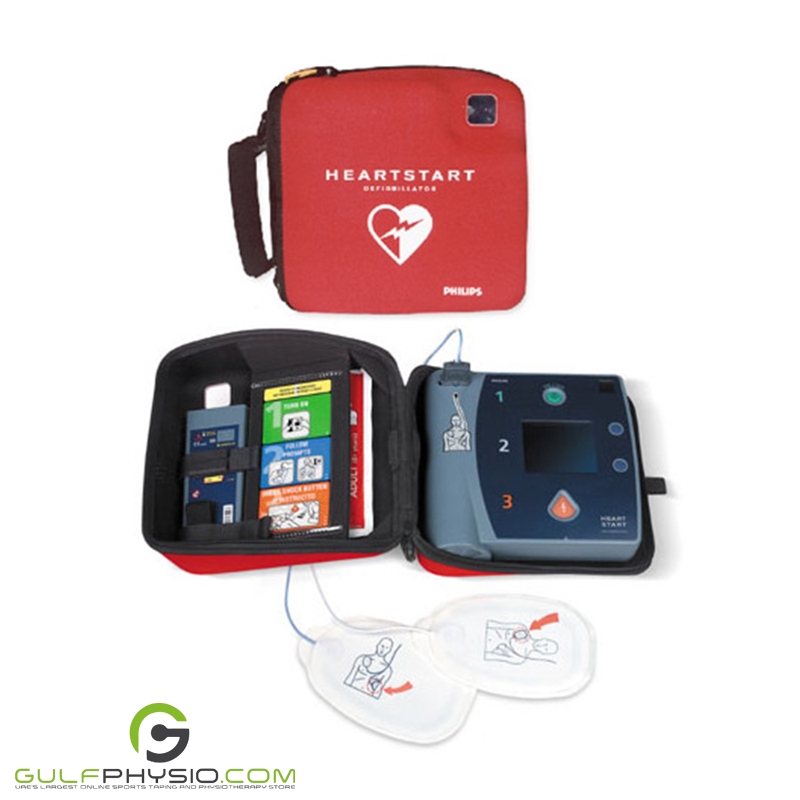


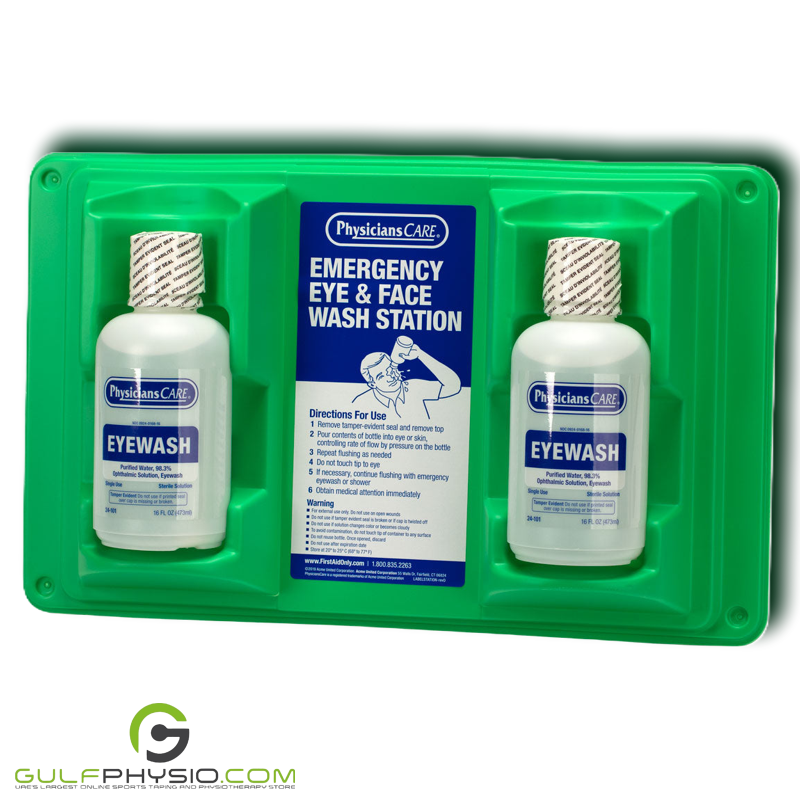

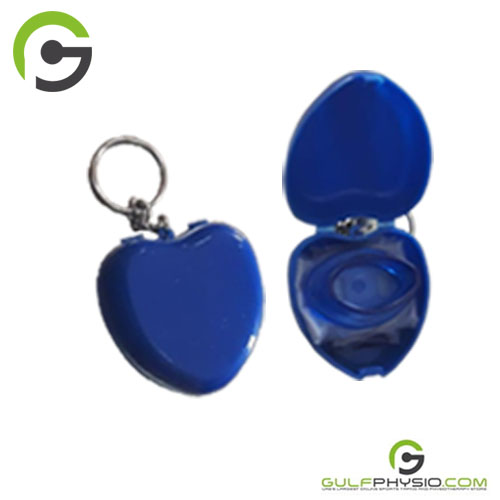


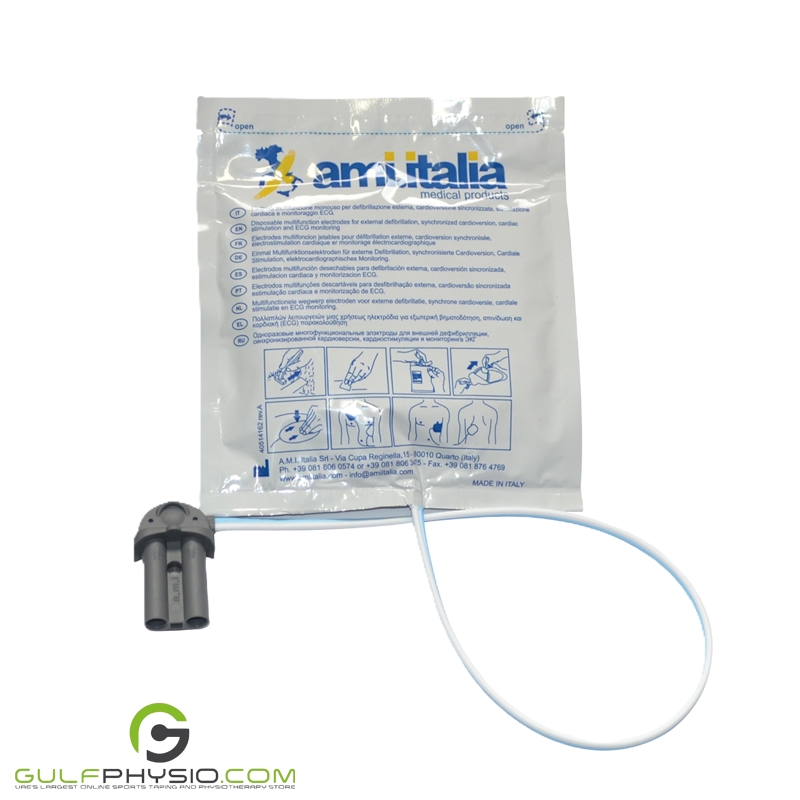

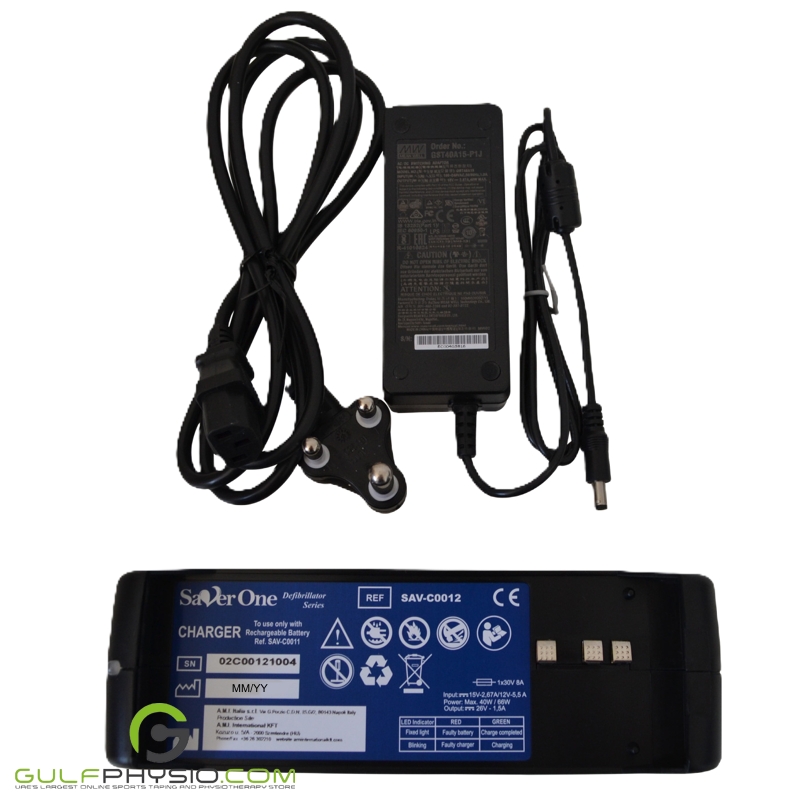

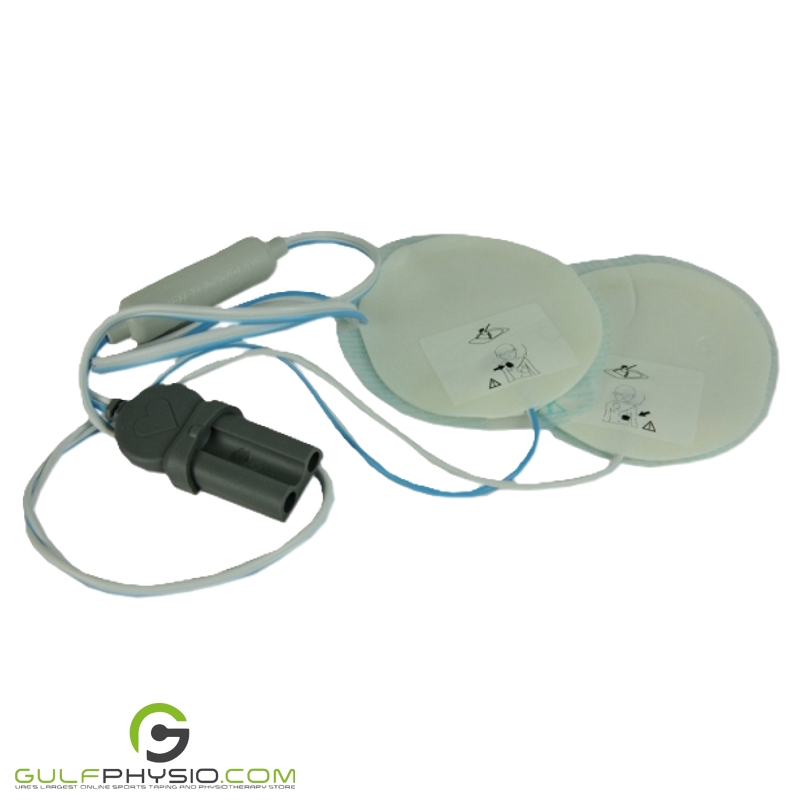

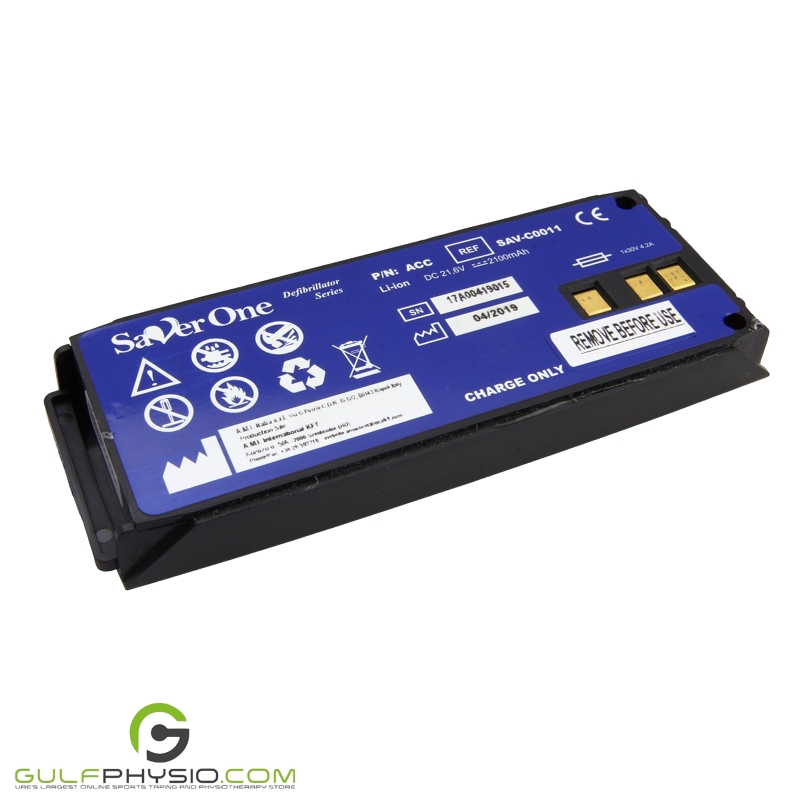

First aid and emergency response supplies are the frontline tools used to manage injuries, stabilize urgent situations, and support safe care until professional medical help is available. For clinics, physiotherapy centers, sports facilities, schools, offices, industrial sites, hospitality teams, and home caregivers, having the right first aid products in one place improves readiness, response time, and operational safety. This category brings together first aid kits, wound care essentials, antiseptics, bandages, dressings, gloves, CPR and resuscitation accessories, AED-related response items, cold and burn care products, and emergency consumables used in day-to-day incidents as well as higher-risk response scenarios.
Whether you are building a new clinic checklist, upgrading a workplace first aid station, preparing a sports sideline bag, or restocking emergency supplies after training or real-world use, this product range supports a practical and organized response system. Instead of treating first aid as a single box on a shelf, this category is designed around actual response needs: bleeding control, wound cleaning, burn care, soft tissue support, airway and CPR barrier protection, infection control, and fast access to essential emergency items.
Who It's For
First aid and emergency response supplies are used by organizations and individuals who need dependable, immediate access to injury care and emergency preparedness products. This includes physiotherapy clinics, medical centers, dental clinics, occupational health teams, sports clubs, gyms, schools, nurseries, offices, warehouses, factories, construction sites, security teams, event organizers, hospitality businesses, ambulances, and home caregivers.
- Clinics and therapy centers: for treatment rooms, waiting areas, staff stations, and emergency preparedness protocols.
- Sports teams and fitness facilities: for sideline injuries, sprains, abrasions, soft tissue incidents, and rapid response readiness.
- Workplaces and industrial settings: for compliance, staff safety, wound care, and emergency incident response.
- Schools and childcare environments: for minor injuries, emergency protocols, and accessible first aid storage.
- Home users and caregivers: for family first aid kits, travel readiness, and basic emergency support.
- Training providers: for CPR practice accessories, first aid demonstrations, and emergency education setups.
How to Choose
The best first aid and emergency response supplies depend on your risk level, setting, user type, and the kind of incidents you are most likely to face. A small office may need a general-purpose first aid kit with plasters, gauze, antiseptic wipes, gloves, and dressings, while a sports venue or clinic may need a broader setup that includes cold therapy items, elastic support bandages, resuscitation barriers, trauma dressings, and dedicated refill stock.
1. Match the supplies to the environment
Start with where the products will be used. Offices, schools, and reception areas usually need general first aid coverage. Clinics and sports facilities often need a wider range of wound care, support bandaging, disinfecting products, and emergency response accessories. Higher-risk environments such as workshops, warehouses, kitchens, and construction sites may require more trauma-oriented supplies and faster-access kits.
2. Choose between a complete kit and individual refill items
Complete first aid kits are ideal for quick deployment, standardization, and compliance. Individual consumables are better when you are restocking high-usage items such as gloves, antiseptic wipes, gauze pads, adhesive dressings, burn care products, or CPR barriers. Many buyers need both: a core kit plus refill lines for frequent replacement.
3. Plan for CPR and cardiac emergency response
If your facility trains staff in CPR or maintains an AED program, include barrier devices, resuscitation masks, practice valves where relevant, and AED-ready accessories within your response setup. This is especially important for clinics, gyms, sports clubs, schools, and workplaces with public foot traffic.
4. Prioritize the most common incident types
If cuts and abrasions are common, focus on wound cleansing, gauze, adhesive dressings, tape, gloves, and bandages. If you manage sporting activity, include cold packs, compression items, and support bandages. If heat exposure is a concern, build in emergency cooling and hydration-support readiness. If burns are possible, make sure burn dressings or burn care items are included.
5. Check expiry dates, refill cycles, and storage conditions
Emergency supplies are only useful if they are complete, accessible, and within date. Products such as antiseptics, alcohol swabs, gloves, dressings, CPR consumables, and sealed sterile items should be reviewed regularly. Facilities in hotter climates should also consider storage, portability, and how easily a kit can be checked and replenished.
What Conditions does this product range solve
First aid and emergency response supplies do not replace definitive medical treatment, but they play a critical role in early response, injury stabilization, infection control, and safe intervention. This product range helps teams manage common incidents and urgent situations before escalation.
- Cuts, abrasions, and minor wounds: cleaned, covered, and protected with antiseptics, dressings, gauze, and adhesive bandages.
- Bleeding control: supported with sterile pads, absorbent dressings, bandages, and trauma-oriented supplies.
- Burns and scalds: addressed with burn dressings, protective coverings, and immediate first response items.
- Sprains, strains, and soft tissue incidents: supported with compression products, cold therapy items, and stabilizing bandages.
- CPR and resuscitation response: aided by barrier devices, resuscitation masks, and related emergency accessories.
- Cardiac emergency readiness: strengthened through AED-supportive emergency planning and response consumables.
- Infection control during first response: improved with gloves, alcohol prep products, antiseptics, wipes, and disposable protection items.
- Preparedness for public, workplace, sports, or clinic incidents: improved through organized kits, refill systems, and accessible emergency stations.
Compare product vs product
| Product Type | Best For | Choose It When | Less Suitable When |
|---|---|---|---|
| General First Aid Kit | Everyday cuts, minor injuries, standard workplace or clinic readiness | You need broad coverage in one organized pack or box | You need trauma-focused or sports-specific response stock |
| Trauma / Emergency Response Kit | Higher-risk environments and more urgent incident response | You want faster access to more absorbent, higher-priority emergency supplies | You only need a basic office or home first aid setup |
| Adhesive Bandages | Small cuts, abrasions, and minor skin breaks | You need quick, simple wound covering for low-exudate injuries | The wound is larger, bleeding more heavily, or needs higher absorbency |
| Sterile Gauze Pads and Dressings | Larger wounds, dressing changes, absorbency, and wound protection | You need more coverage, better absorption, or layered wound care | You only need a small adhesive strip for a minor cut |
| Antiseptic Wipes | General wound cleansing and surface-level first aid preparation | You want fast single-use cleansing before dressing a wound | You need broader disinfection for non-skin surfaces or equipment protocols |
| Alcohol Swabs | Targeted skin prep and quick cleaning tasks | You need compact prep pads for fast-use response settings | You want a wider-spectrum first aid wipe assortment in a full kit |
| CPR Face Shield / Barrier | Portable rescue breathing protection | You want lightweight, compact CPR barrier protection for kits and grab bags | You need a more structured mask-based resuscitation setup |
| Pocket Mask / Resuscitation Mask | More controlled CPR barrier response | You want a sturdier option for trained responders and emergency stations | You need the smallest possible carry item for everyday portability |
FAQs
What should a clinic keep in its first aid and emergency response area?
A clinic should usually have a well-organized first aid kit, wound care dressings, gloves, antiseptic products, CPR barrier devices, emergency consumables, and refill stock for commonly used items. The exact setup depends on patient volume, services offered, and the clinic’s risk profile.
What is the difference between first aid supplies and emergency response supplies?
First aid supplies usually cover everyday incidents such as cuts, abrasions, and minor injuries. Emergency response supplies extend that setup by supporting faster action in more urgent situations, including CPR response, trauma care readiness, and higher-risk workplace or public-use scenarios.
Are AED-related products part of this category?
They can be. Many buyers treat AED-ready accessories, response consumables, and resuscitation barriers as part of a broader emergency preparedness system, especially in clinics, schools, gyms, and workplaces.
How often should first aid supplies be checked and replaced?
Kits and stations should be checked regularly for expiry dates, missing consumables, damaged packaging, and depleted high-use items. Busy clinics, sports facilities, and workplaces often benefit from a scheduled monthly or quarterly review.
Which supplies are most important for sports teams and gyms?
Sports-focused first aid setups often prioritize wound dressings, antiseptics, gloves, cold therapy items, compression and support bandages, and CPR barrier devices. The goal is to handle abrasions, soft tissue incidents, minor bleeding, and urgent sideline response quickly.
Can I build a custom first aid setup instead of buying a ready-made kit?
Yes. Many buyers start with a standard first aid kit and then add refill lines or specialized products based on their environment, such as trauma dressings, burn care items, CPR accessories, or sports-specific response products.