
Wound Care, Gauze and Dressings
Showing all 3 results
Jump to: Who It's For | How to Choose | Conditions | Compare | FAQs
Shop gauze, wound dressings, bandages, plasters and procedure supplies for first aid, post-op care, dressing changes and clinical use. Suitable for hospitals, clinics, sports care, workplaces and home recovery.

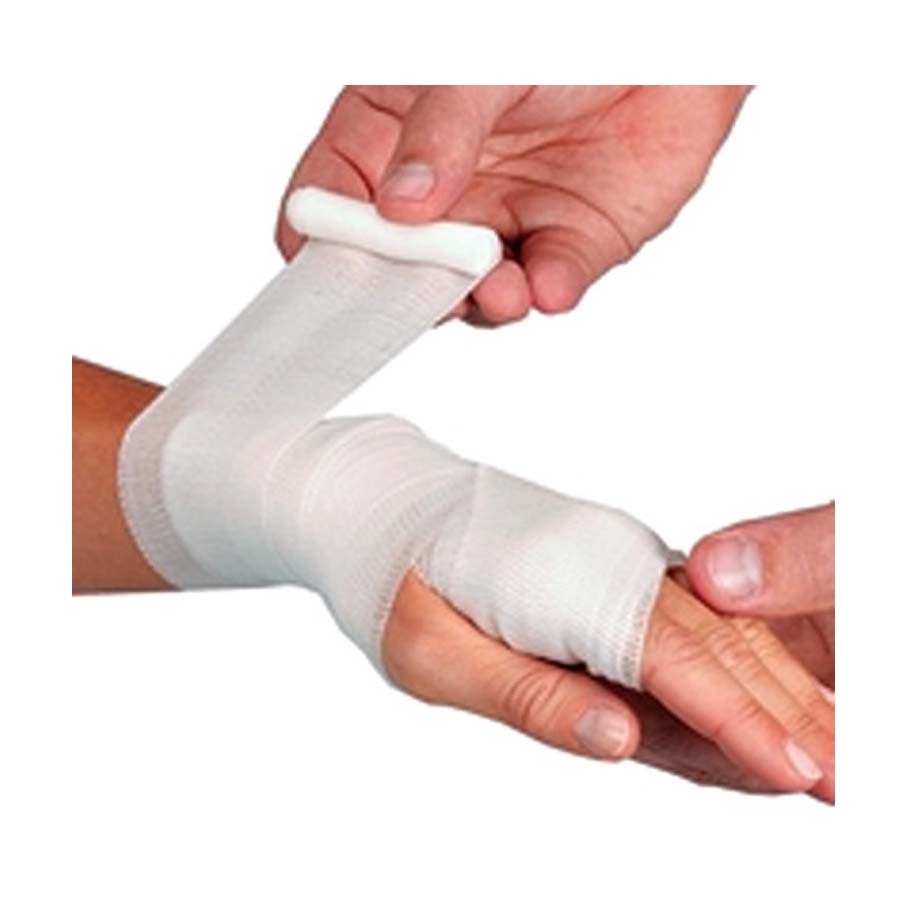

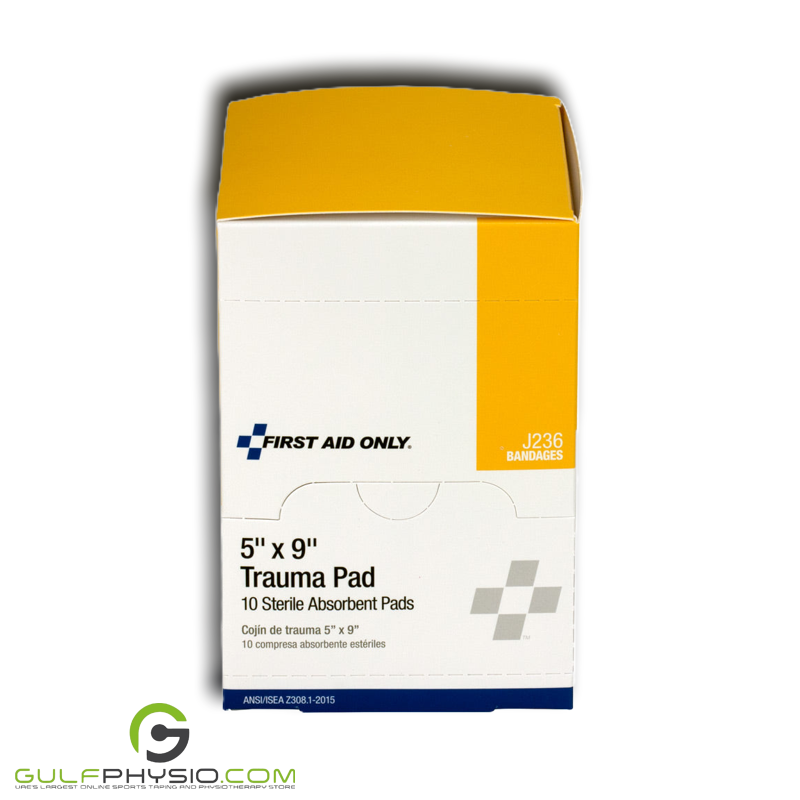

Wound care products are essential for protecting injured skin, managing exudate, supporting dressing changes, and maintaining a clean healing environment. This category includes sterile gauze, non-woven swabs, adhesive dressings, plasters, bandages, non-adherent wound contact layers, and procedure supplies used in hospitals, clinics, first aid rooms, sports settings, and home care. Whether you are managing minor cuts, post-operative wounds, abrasions, lacerations, donor sites, or routine dressing changes, choosing the right wound dressing helps improve comfort, coverage, absorption, and ease of removal.
Our wound care, gauze and dressing range is designed for different stages of wound management. Some products are built for initial coverage and protection, while others are better suited for securing dressings, cushioning fragile skin, absorbing drainage, or reducing trauma during removal. From simple adhesive plasters to sterile gauze pads and professional dressing supplies, this collection supports practical wound management across clinical and non-clinical settings.
Who It's For
This range is suitable for hospitals, medical clinics, physiotherapy centers, dental practices, schools, sports teams, industrial workplaces, first aid responders, home caregivers, and individuals managing wounds at home. It is especially useful for professionals performing dressing changes, cleaning wounds, covering post-procedure sites, or restocking treatment rooms and first aid kits.
It is also relevant for patients and caregivers dealing with post-surgical wounds, skin tears, pressure-prone areas, superficial burns, abrasions, cuts, ulcers under supervision, and everyday wound protection needs. For clinics and healthcare providers, these products support infection control protocols, efficient wound dressing changes, and standard procedure room preparation.
How to Choose
Start by identifying the wound type, location, amount of exudate, and the role the product needs to play. Sterile gauze pads and swabs are commonly used for wound cleaning, padding, absorption, and secondary coverage. Adhesive dressings and island dressings are useful when quick application and secure placement are important. Non-adherent dressings are better when you want to reduce sticking to fragile tissue or healing wounds. Bandages help hold primary dressings in place, while plasters are ideal for smaller cuts and everyday minor injuries.
Also consider whether the product needs to be sterile or non-sterile, whether it will be used in a professional setting or at home, and how often the wound will be redressed. Highly absorbent dressings are better for wounds with more drainage, while low-adherent and gentle-contact products are often preferred for sensitive skin, post-op sites, and wounds where atraumatic removal matters. For procedure areas and treatment rooms, it also helps to keep supporting consumables such as swabs, rolls, fixation products, and general dressing change supplies together in one category.
What Conditions does this product range solve
This category supports the management and protection of cuts, abrasions, lacerations, puncture wounds, post-operative incisions, donor sites, skin tears, superficial burns, blisters, pressure-friction injuries, and other wounds requiring coverage, absorption, or secure dressing fixation. It is also useful for routine dressing changes, wound cleansing, and short-term protection of vulnerable skin.
Different products within this range solve different wound-care needs. Gauze helps absorb fluid and cushion the wound area. Non-adherent dressings reduce trauma during removal. Adhesive dressings provide fast and convenient wound coverage. Bandages secure dressings over joints and contoured areas. Plasters protect small everyday injuries. Procedure supplies support cleaner and more efficient wound care workflows in both clinical and home settings.
Compare product vs product
Gauze Pads vs Non-Woven Swabs
Gauze pads are breathable and useful for general wound dressing, absorption, and cleaning. Non-woven swabs are often softer, produce less lint, and may be preferred where cleaner application and patient comfort are priorities.
Adhesive Dressings vs Non-Adherent Dressings
Adhesive dressings are convenient all-in-one options for quick coverage of minor wounds. Non-adherent dressings are better when the wound bed is delicate, healing tissue needs protection, or you want to minimize sticking during dressing changes.
Plasters vs Larger Wound Dressings
Plasters are designed for small cuts, punctures, and minor everyday injuries. Larger wound dressings provide broader coverage, better absorption, and more suitable protection for surgical sites, abrasions, and wounds with drainage.
Bandages vs Adhesive Fixation
Bandages are helpful for securing dressings over limbs, joints, and difficult contours. Adhesive fixation products are often faster for flat areas and lighter coverage, but may be less suitable for high-movement areas or sensitive skin depending on the product.
FAQs
What is the difference between gauze and a dressing?
Gauze is usually a material used for cleaning, absorbing, packing, or covering a wound. A dressing is a broader term that can include gauze, non-adherent layers, adhesive coverings, absorbent pads, and protective wound-contact products.
When should I use a sterile gauze pad?
Sterile gauze is commonly used when covering an open wound, performing a dressing change, or working in a clinical or first aid setting where cleanliness and contamination control matter.
What is a non-adherent dressing used for?
Non-adherent dressings are used when you want to protect the wound without the material sticking strongly to the healing surface. They are often preferred for fragile skin, post-op wounds, burns, and sensitive dressing changes.
Are adhesive dressings suitable for all wounds?
Not always. Adhesive dressings work well for many minor wounds and simple coverage needs, but wounds with heavy exudate, fragile surrounding skin, or special clinical requirements may need a different type of dressing system.
What products are best for dressing changes?
Dressing changes often require sterile gauze or swabs, a primary dressing, a secondary securing method such as bandage or fixation, and in some cases cleansing or procedure-related consumables depending on the setting.
Can these products be used in first aid kits?
Yes. Gauze, adhesive dressings, bandages, and plasters are core wound-care items for first aid kits in clinics, schools, workplaces, sports settings, vehicles, and home environments.
How do I choose between a plaster and a gauze dressing?
Use a plaster for small cuts and minor everyday skin injuries. Use gauze or a larger dressing when the wound is bigger, needs more absorption, requires padding, or needs secondary fixation.
Are these products suitable for clinics and hospitals?
Yes. This category is designed to serve both professional and home-use needs, with products suitable for procedure rooms, treatment trolleys, first aid stations, dressing packs, and routine wound-care workflows.