
Back, Abdominal & Posture Supports
Showing all 11 results
Jump to: Who It's For | How to Choose | Conditions | Compare | FAQs
Back, abdominal and posture supports help improve alignment, provide compression, stabilize the core, and reduce strain during work, travel, rehabilitation, and everyday movement. This range includes posture correctors, lumbar supports, abdominal binders, and supportive braces designed for recovery, comfort, and better body mechanics.


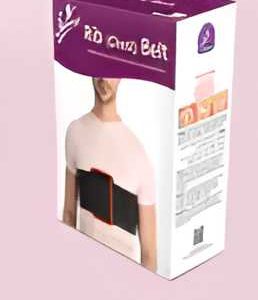


Back, abdominal and posture supports are designed to provide compression, alignment, and structural support for people dealing with postural fatigue, core weakness, lower back strain, prolonged sitting, or recovery-related support needs. Whether you need a posture corrector for desk work, a lumbar support brace for lifting and movement, or an abdominal binder for post-operative or post-partum support, this category brings together products that help improve comfort, stability, and confidence in daily activity.
These supports are commonly used in physiotherapy, rehabilitation, occupational health, sports recovery, driving, office work, and home care. By helping support the spine, abdominal wall, and postural muscles, they can reduce unnecessary strain, encourage better body positioning, and assist with gradual return to normal movement.
Who It's For
Back, abdominal and posture supports are suitable for a wide range of users who need extra support during activity, recovery, or long periods of sitting and standing.
- Office workers dealing with slouching, rounded shoulders, and desk-related postural fatigue
- Drivers and commuters who sit for long periods and experience lower back or upper back discomfort
- People recovering from abdominal procedures, childbirth, or general core weakness where clinician-approved compression is helpful
- Individuals with mild postural imbalance who want external feedback to improve alignment habits
- Workers involved in lifting, bending, or repetitive movement who need lumbar support during daily tasks
- Physiotherapy and rehabilitation patients needing support as part of a broader recovery program
- People looking for day-to-day support for the back, abdomen, or posture during routine activities
How to Choose
The right support depends on the body area involved, the level of compression or stabilization needed, and when the product will be used.
Choose by support area
- Back supports: Best for lumbar support, lower back strain, lifting support, and prolonged sitting
- Abdominal binders: Best for abdominal compression, post-operative support, post-partum use, and core stability
- Posture supports: Best for shoulder positioning, upper back awareness, and correcting slouched sitting habits
Choose by level of structure
- Light support: For daily wear, posture reminder use, and mild fatigue
- Moderate support: For regular use during work, travel, and recovery routines
- Firm support: For greater stabilization, compression, and controlled movement
Choose by material and fit
- Breathable materials are better for longer wear
- Adjustable straps help improve fit and pressure control
- Elastic compression suits general support and comfort
- Panelled or reinforced designs provide more structure
- Low-profile designs fit better under clothing for all-day use
Choose by use case
- For office work: posture supports and light lumbar supports
- For driving: lumbar and posture support options that reduce sustained strain
- For rehabilitation: supports matched to the recovery stage and clinician advice
- For post-operative or post-partum needs: abdominal binders with secure compression and comfortable adjustability
What Conditions does this product range solve
This product range does not replace diagnosis or treatment, but it is commonly used to support people managing issues such as:
- Lower back strain and mechanical back discomfort
- Postural fatigue from prolonged desk work or screen use
- Rounded shoulders and poor sitting posture
- Upper back tension linked to slouching and tech neck habits
- Core weakness affecting posture and trunk stability
- Abdominal wall support needs after surgery or childbirth, when medically appropriate
- Discomfort during long drives, commuting, or static sitting
- Movement-related strain during light work or daily activity
These products are best understood as supportive tools. They work most effectively when combined with posture correction, movement breaks, stretching, strengthening, ergonomic changes, and professional advice where needed.
Compare product vs product
| Product Type | Best For | Main Benefit | Typical Use |
|---|---|---|---|
| Posture Corrector | Rounded shoulders, slouching, desk posture | Encourages upper-body alignment and postural awareness | Desk work, screen time, light daily wear |
| Lumbar Support Brace | Lower back strain, lifting support, prolonged sitting | Provides compression and lower back stabilization | Work, driving, walking, general support |
| Abdominal Binder | Core support, abdominal compression, recovery support | Supports the abdominal wall and improves trunk comfort | Post-operative, post-partum, general abdominal support |
| Elastic Back Support | Mild everyday support needs | Flexible compression without heavy restriction | Daily wear, light activity, work routines |
| Reinforced Back Brace | Users needing firmer stabilization | More structure and controlled movement | Recovery phases, physically demanding tasks |
FAQs
What is the difference between a back support and a posture support?
A back support mainly helps stabilize and compress the lumbar or lower back region, while a posture support is designed to encourage better shoulder and upper-back alignment.
When should I choose an abdominal binder?
An abdominal binder is generally chosen when abdominal compression and trunk support are needed, such as after certain procedures, after childbirth, or during periods of core weakness, subject to medical advice.
Can posture supports be worn all day?
Some light posture supports are suitable for longer wear, but many users benefit from using them for controlled periods while also improving ergonomics and strengthening postural muscles.
Will a back brace cure back pain?
A back brace is a support tool, not a cure. It may help reduce strain and improve comfort, but long-term improvement usually also requires movement, exercise, and correction of contributing habits.
Which support is best for office work?
For office work, posture supports and light lumbar supports are often the most suitable because they help reduce slouching and support the spine during prolonged sitting.
Which support is best for driving?
Drivers often benefit from lumbar supports or posture supports that help maintain a more neutral sitting position and reduce fatigue during long periods behind the wheel.
How tight should an abdominal or back support be?
It should feel secure and supportive without restricting breathing, causing numbness, or creating excessive pressure. Adjustable designs help fine-tune the fit.
Can these supports be used during rehabilitation?
Yes, they are often used during rehabilitation, especially when recommended as part of a structured recovery plan that includes exercise, mobility work, and professional assessment.