
Massage Oils, Creams and Pain Relief Gels
Showing all 10 results
Jump to: Who It's For | How to Choose | Conditions | Compare | FAQs
Browse massage oils, creams, lotions and pain relief gels designed for physiotherapy, sports massage, muscle recovery and everyday body care. Choose from warming, cooling, arnica-based and glide-friendly topicals for professional clinics, gyms and home use.

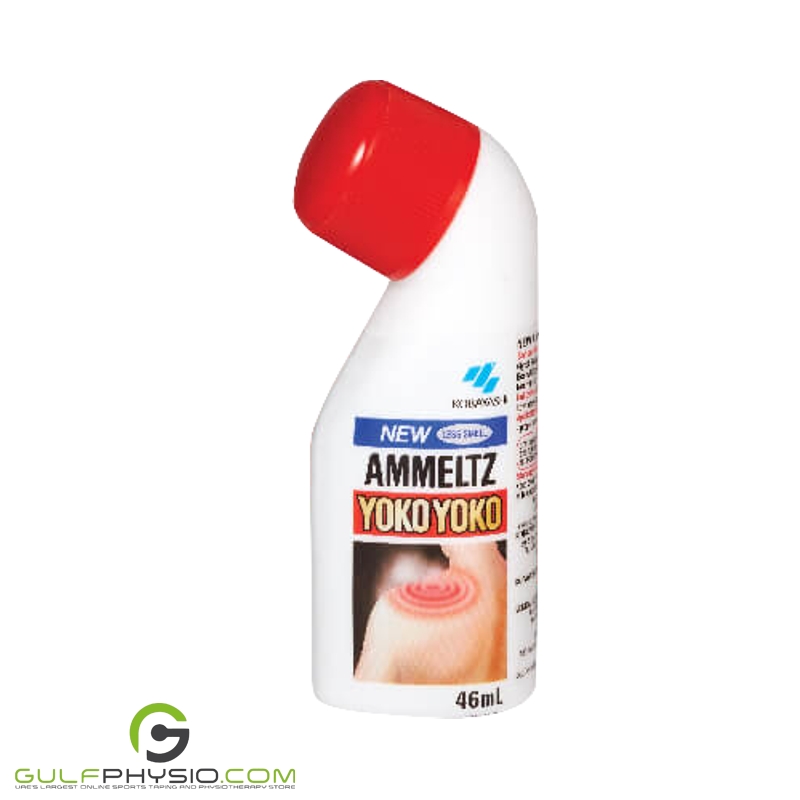


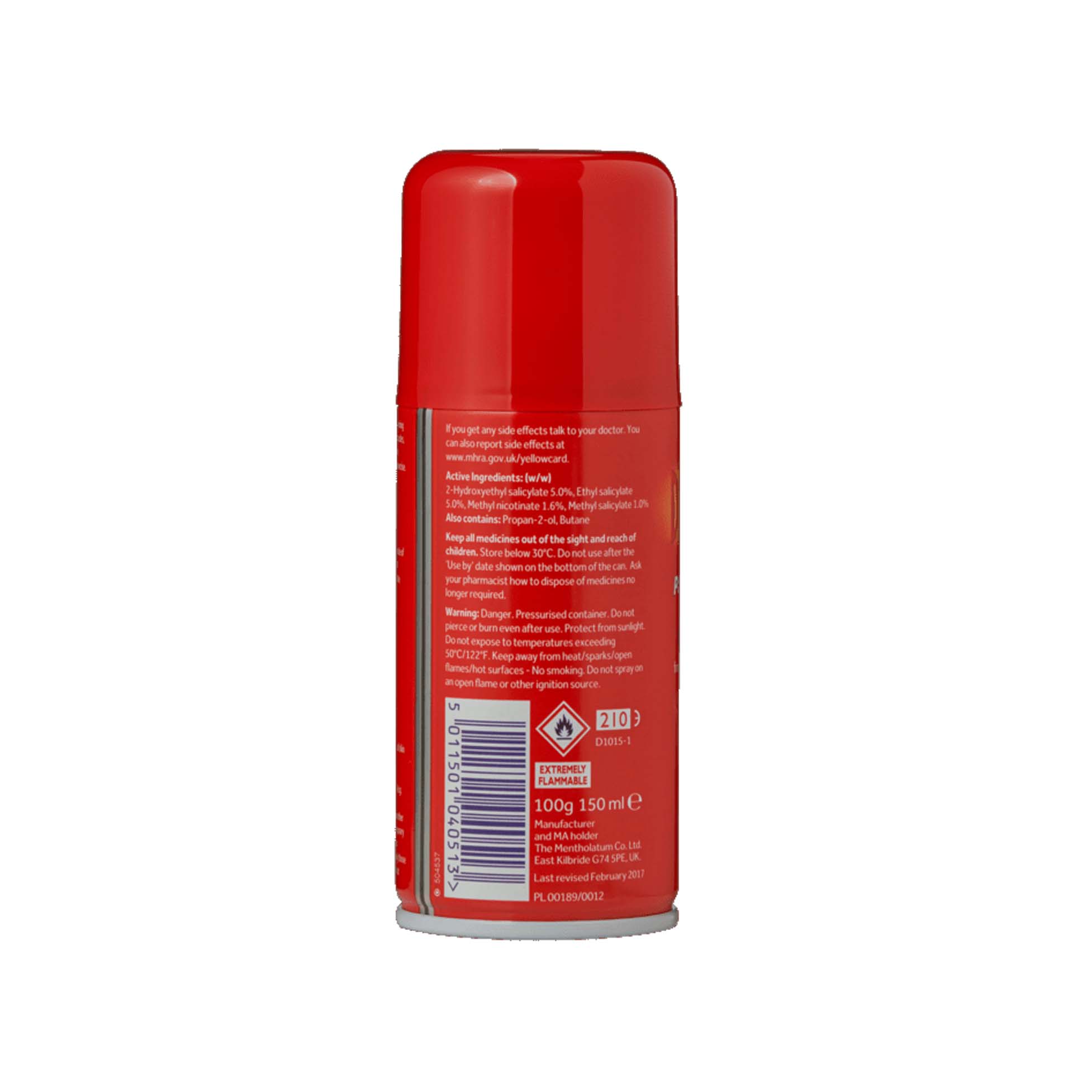


Massage oils, creams, lotions and topical pain relief gels are used to improve glide, reduce drag, support manual therapy and make treatment sessions more comfortable for both practitioner and patient. This category brings together products for sports massage, physiotherapy, soft tissue work, post-exercise recovery, muscle tension, stiffness and everyday body discomfort.
Whether you need a light massage oil for longer treatment sessions, a richer cream for controlled grip, an arnica-based gel for recovery routines, or a warming or cooling topical for targeted comfort, choosing the right product depends on treatment style, skin sensitivity, absorption rate, scent preference and intended use.
Who It's For
Massage oils, creams and pain relief topicals are suitable for physiotherapists, massage therapists, chiropractors, sports medicine clinics, rehabilitation centers, athletic trainers, wellness practices, gyms and home users looking for muscle relief and recovery support. They are especially useful for professionals performing soft tissue therapy, deep tissue massage, sports massage and trigger point work, as well as individuals managing post-workout soreness, muscular tightness and general body stiffness.
For clinic use, these products help match the treatment medium to the technique. Therapists who need long glide often prefer oils or lotions, while those who want more grip and control may choose creams or balms. For home users, topical gels, arnica rubs and warming or cooling formulas are often chosen for targeted application after exercise, long workdays or physically demanding activity.
How to Choose
Start by identifying the treatment goal. If you need extended glide for full-body massage or flowing manual therapy, massage oils and lotions are usually the best fit. If you want more control for focused work on smaller areas, massage creams and richer topicals are often easier to handle. For targeted comfort rather than full-session massage, pain relief gels, recovery rubs and arnica-based products are often more appropriate.
Then compare texture, absorption and finish. Oils usually provide the most slip and the slowest absorption. Lotions sit in the middle, offering a lighter finish with easier cleanup. Creams provide more traction and less mess, making them useful for physiotherapy settings. Cooling gels are often chosen after activity or for freshening effect, while warming rubs are commonly selected before treatment or for areas that feel tight and stiff.
Also consider scent level, skin sensitivity, packaging and setting. Unscented or lightly scented formulas are often better in clinics with frequent daily use. Pump bottles may be more hygienic and convenient for treatment rooms, while tubes and jars may suit targeted self-application. If the product will be used on multiple patients in a professional setting, easy dispensing, non-greasy cleanup and compatibility with linens are all important factors.
What Conditions does this product range solve
This product range is commonly used to support comfort during massage and manual therapy for muscle tightness, post-exercise soreness, soft tissue tension, stiffness after inactivity, overuse discomfort and general body fatigue. In practice, these topicals are frequently used on the back, shoulders, neck, calves, thighs, forearms and other areas where repetitive strain or training load can create discomfort.
Massage creams and oils are also useful where the goal is to reduce friction and improve hand movement during treatment. Recovery rubs, arnica gels and warming or cooling topicals are often chosen as part of a broader recovery routine after sport, training, travel, physically demanding work or long periods of sitting. While these products can support comfort and recovery routines, they should be selected based on intended use, skin tolerance and the advice of a qualified professional where needed.
Compare product vs product
Massage oil vs massage cream: Massage oil usually gives the longest glide and is ideal for flowing strokes and full-body massage. Massage cream gives more control and less slip, making it better for focused physiotherapy and deeper tissue work.
Massage lotion vs massage oil: Massage lotion is lighter, absorbs faster and often feels less greasy, making it easier for shorter sessions or quicker cleanup. Massage oil stays workable longer and is usually preferred when prolonged glide is needed.
Warming rub vs cooling gel: Warming rubs are often selected when an area feels tight, stiff or in need of heat-like comfort. Cooling gels are often preferred after exercise, for refreshing application, or when a lighter, fast-absorbing feel is desired.
Arnica gel vs general pain relief gel: Arnica gels are often chosen by users looking for botanical recovery-oriented topicals. General pain relief gels may focus more on cooling, heating or active topical sensations depending on formulation.
Balm vs gel: Balms are typically thicker, more concentrated-feeling and better for small targeted areas. Gels are lighter, faster absorbing and often easier to spread over a broader area without heavy residue.
FAQs
What is the difference between massage oil and massage cream?
Massage oil provides more glide and stays on the skin longer, which is ideal for longer massage sessions. Massage cream offers more grip and control, making it better for focused soft tissue work and physiotherapy-style treatment.
Which is better for sports recovery: warming or cooling topicals?
That depends on preference and intended use. Cooling topicals are often used after training or for a refreshing effect, while warming products are commonly chosen for stiff or tight areas before or during treatment routines.
Are arnica products used for massage and recovery?
Yes, arnica gels and creams are commonly used in massage and recovery routines, especially by people looking for botanical-style topical options for sore, overworked areas.
What should clinics choose: oil, lotion or cream?
Clinics that perform long massage sessions often prefer oils or lotions for glide. Physiotherapy and treatment-focused settings often prefer creams because they provide more control, less mess and easier handling during targeted work.
Are these products suitable for home use?
Yes. Many massage oils, creams and pain relief gels are suitable for home users, especially for post-workout recovery, self-massage and general muscle comfort. Users should always follow label directions and patch test where appropriate.
What works best with massage tables?
For massage tables, therapists usually choose products based on glide, cleanup and linen management. Oils suit long-flow treatments, while creams and lotions may be easier to control and less likely to leave heavy residue on sheets and table surfaces.