
Chronic joint discomfort can be such a pain, making everyday activities like walking, climbing stairs and even standing unbearable. When primary treatments such as medication and physiotherapy no longer work, hip and knee replacement surgery is the next step. Medical professionals often suggest this procedure as the most efficient way to recover mobility and minimize pain.
As populations grow older, joint condition cases like osteoarthritis rise as well. In turn, the number of hip and knee replacement procedures continues to add up across the globe.
In this article, we will explore everything relating to this transformative surgery. This includes key statistics, trends, and the cost from different sections of the world. In this way, novices and experts alike will better understand the growing role of this procedure in modern healthcare today.
What is Hip Replacement Surgery?
Hip replacement surgery is an operation that replaces the damaged hip joint with an artificial implant.
Also called hip arthroplasty, surgeons usually recommend it for patients experiencing limited mobility and severe pain. Most people who suffer from osteoarthritis, rheumatoid arthritis, or hip fractures have this option as a last resort.
How Does Hip Replacement Surgery Work?
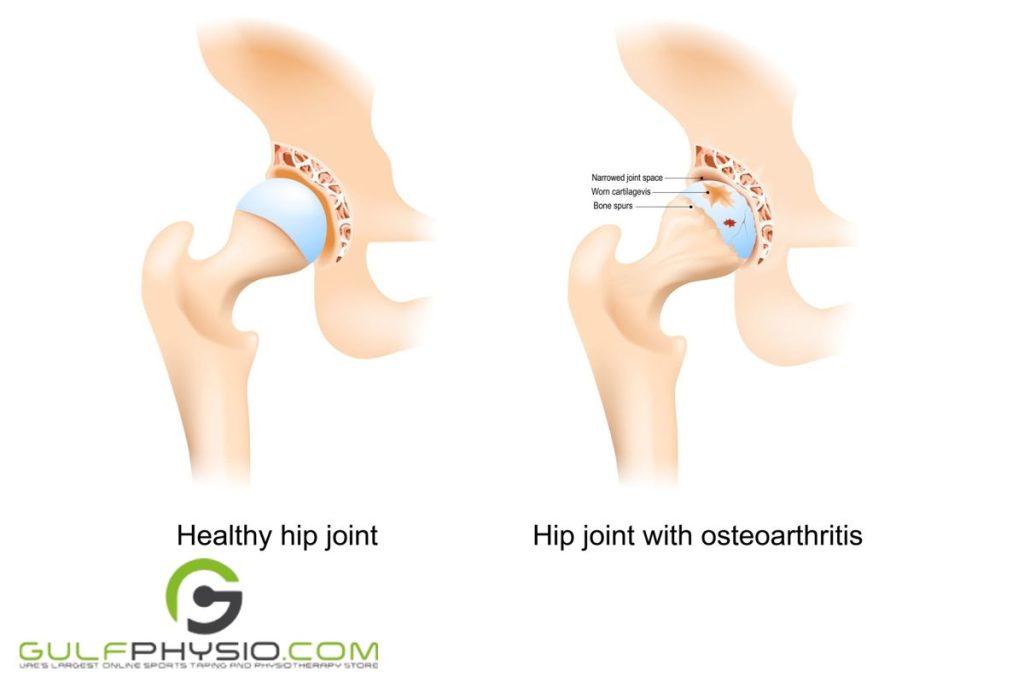
The surgeon swaps the damaged ball from the top of the femur (thigh bone) with a ceramic or metal one. They insert the stem of this artificial sphere into the bone itself. The next step is replacing the damaged cartilage and bone in the hip socket with a lined prosthetic socket. The lining is a combination of ceramic and plastic for ease of movement.
When all the prosthetic components are in place, it works remarkably like an organic hip joint. Specialists design these implants to restore unimpeded joint movement, easing pain and reclaiming mobility for everyone who needs it.
What is Knee Replacement Surgery?
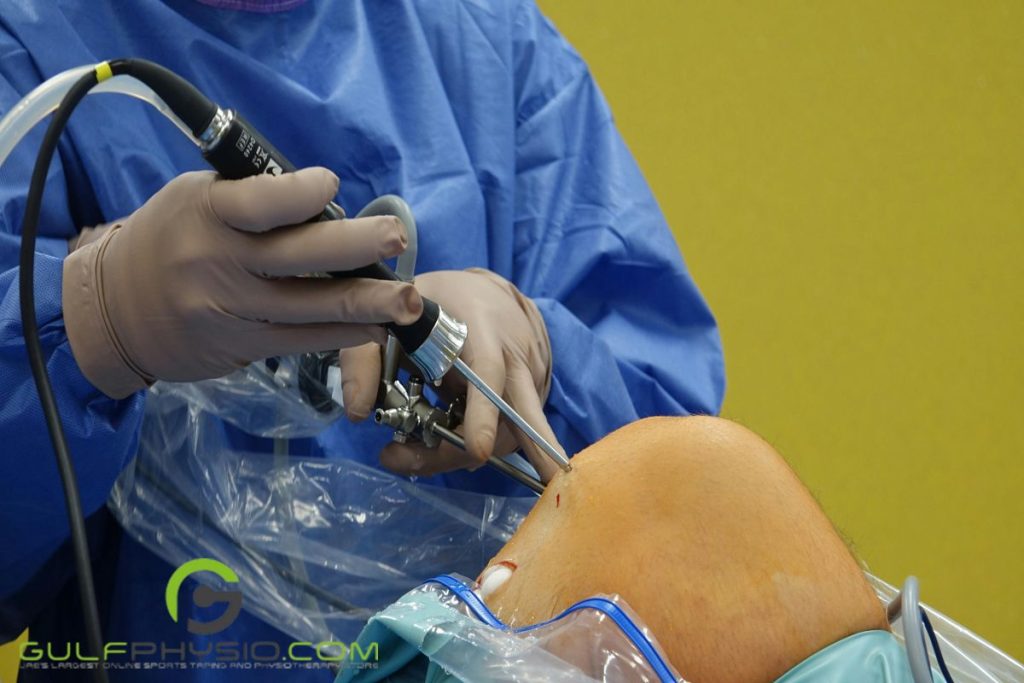
Knee replacement surgery is an operation that replaces a worn-out or damaged knee with an artificial implant. Knee specialists recommend this procedure for individuals who experience the following knee complications:
- Severe knee pain
- Osteoarthritis
- Rheumatoid arthritis
- Permanent knee injuries
How Does Knee Replacement Surgery Work?
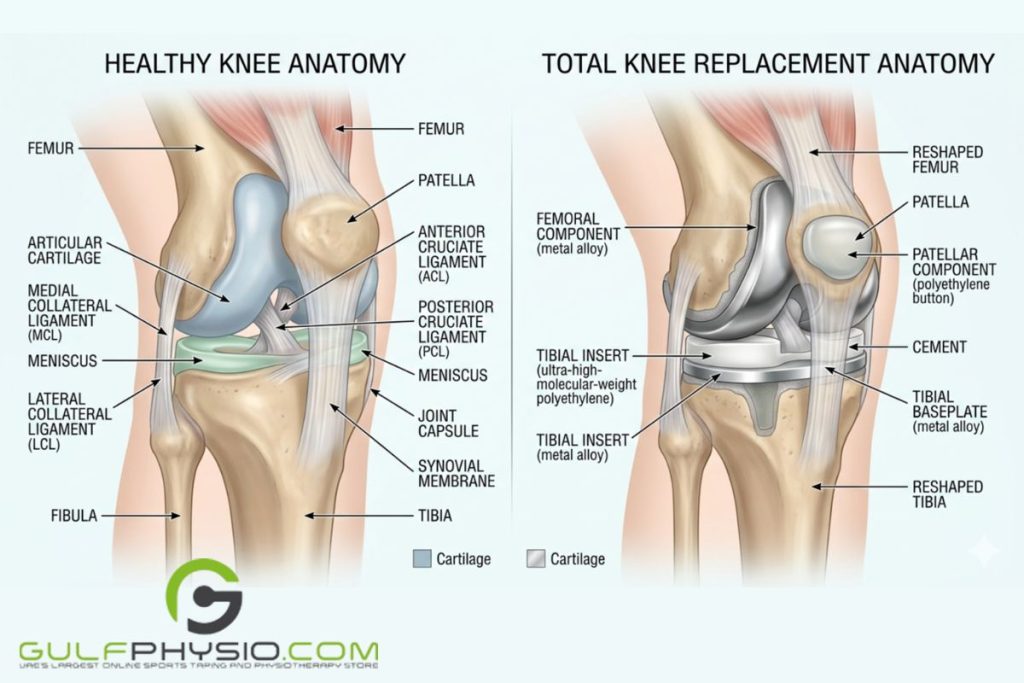
The surgeon’s focus is the removal of the injured surface of the knee joint, composed of worn-out cartilage. They also carefully extract the tips of the tibia (shinbone) and femur (thighbone). The metal and plastic components that replace it recreate the damaged part artificially. They also give way for a durable plastic spacer which allows the joint to move with no trouble.
The entire procedure usually lasts 1-2 hours while the patient is under general or spinal anesthesia. And, like many other prosthetics, specialists create these knee replacements to mimic the pain-free motion of a regular knee.
Hip and Knee Replacement Surgery Global Facts and Trends
Hip and knee replacements are actually one of the most common operations around the world. Apart from that tidbit, here are other facts and trends that can help highlight how these procedures aid patients:
- Between 2019 and 2025, there were 63,000 hip replacements and 94,000 knee replacements in Canada alone. It gave a grand total of 199,470 surgeries in a little over 5 years. (CIHI, CJRR)
- Canada saw an increase in the need for hip and knee replacement surgeries (46% and 38% respectively) from 2010 to 2025. The projected increase in joint replacement surgeries in this country will reach 30-40% in 10 years.
- Patients who need joint replacement surgery are primarily women (60%) with an age range of 65 and older.
- Canada also saw a decrease in the average inpatient stay for joint replacement. It dropped from 5-7 days to 2-3 days in just a decade.
- It costs around $10,500 for a primary hip or knee replacement surgery in Canada. Revision surgery for each joint surgery can reach up to $16,800.
- The cost of knee replacement surgery in the United Arab Emirates varies a lot depending on the type of implant and hospital. For knee replacement surgery, publicly available datasets report an average of AED 33,000-120,000 ($9,000-$32,700). (Bayanat UAE, MOHAP Open Data)
- The average cost of hip replacement surgery in Saudi Arabia is $28,000-$45,000, and an even higher rate for revision surgery.
- Globally, knee replacements are more common than hip replacements, making up about 55–60% of all major joint replacement procedures.
- Around 90% of patients report significant pain relief and improved mobility within the first year after surgery.
- There is a growing trend of robotic-assisted and minimally-invasive surgery. Some medical centers are already doing same-day discharges for a number of their patients. In this way, it can cut overall healthcare costs and recovery times in half or more.
Trusted Hip and Knee Replacement Surgeons Worldwide
The difference between the failure or success of hip and knee replacement surgery will depend on a surgeon’s expertise. If you’re looking for the leading orthopedic surgeon in your area, then this is the section for you. Below is the compilation of the experts we know from the UAE, India, Europe, and the US.
| Country/Region | Popular Hip & Knee Replacement Surgeons/Specialists | Their Recognition as Specialists |
| United Arab Emirates (UAE) | Dr. Samih Tarabichi | Having decades of experience, including contributions such as the Full Flexion Knee Implant, he is often described as one of the leading orthopedic expert in the UAE |
| Dr. Mohammad Ashfaq Konchwalla | British‑trained consultant known for advanced joint replacement and sports‑orthopedic surgery in Dubai. | |
| Dr. Hesham Al-Khateeb | Recognized for hip replacement and robotic/minimally invasive joint reconstruction techniques in the UAE. | |
| Dr. Shine Ashokan | Senior orthopaedic surgeon at King’s College Hospital Dubai specializing in knee and hip replacements. | |
| United States | Leading orthopedic surgeons with broad national reputations | Known for high surgical volumes, outcomes research, and pioneering implant techniques. |
| United Kingdom | Historical figures like Sir John Charnley (hip replacement pioneer) and contemporary specialists | Known for innovations in joint replacement and long‑term outcomes tracking. |
| India | Surgeons such as Dr. Ashok Rajgopal | Large surgical experience and high procedure volumes with growing use of robotics and customized implants in hip/knee surgery. |
| Singapore | Regional leaders in joint reconstruction | Known for incorporating cutting‑edge diagnostics and rehabilitation protocols. |
| Germany | Highly skilled arthroplasty surgeons | Known for precision techniques and registry-backed outcome studies |
| Spain & Australia | Expertly trained orthopedic specialists with access to well-built rehabilitation systems | Recognized for long-lasting implants and patient-centered care |
The Average Cost of Hip and Knee Replacement Surgery in Leading Countries
The cost of hip and knee replacement surgery differ from country to country. Each nation has guidelines on technology, hospital standards, and healthcare systems.
Although a few high-income countries offer more expensive operations, there are some countries that are popular medical tourism destinations. Even though these have significantly reduced prices, they don’t compromise on surgical quality. Here are a couple of examples
Average Cost of Hip and Knee Replacement Worldwide (by Country)
| Country | Hip Replacement (USD) | Knee Replacement (USD) |
| United States | $45,000 | $55,000 |
| United Kingdom | $35,000 | $24,000 |
| Canada | $30,000 | $21,000 |
| United Arab Emirates (UAE) | $18,000 | $11,500 |
| India | $9,000 | $6,000 |
| Turkey | $15,000 | $8,500 |
| Thailand | $16,000 | $9,000 |
| Germany | $25,000 | $20,000 |
| South Korea | $18,000 | $14,000 |
Highlights:
- The United States and the UK (private sector) are two of the most costly locations for both hip and knee replacement surgeries.
- The prices in the UAE are still high when you compare it to other medical tourism destinations. However, they are still lower than private healthcare in the western sectors.
- The most cost-effective countries globally are India, Thailand, and Turkey.
Note: The cost of the operations can vary significantly depending on factors like:
- Choice of hospital
- Inclusion of post-operative rehabilitation
- Implant type
- The expertise of the surgeon
Always consult with a medical provider in that region for estimates before traveling and undergoing surgery.
The Risks of Hip and Knee Replacement Surgery
Hip and knee replacement surgeries are highly effective and safe operations. Despite that, these are still major surgeries. And like any other major surgery, they carry a certain amount of risk. Any patient should review these potential complications in order to make their own informed decisions. These risks include the following:
- Infection: the incision site or the location of the implant can develop an infection, albeit rare. It requires additional treatment or surgery to address it.
- Blood clots: DVT (deep vein thrombosis) is a possibility around the legs after the surgical procedure. It should be treated immediately to avoid any further complications.
- Implant wear: Artificial joints can wear out or loosen over time. You can follow-up with your physician to determine whether revision surgery is necessary.
- Nerve or blood vessel damage: any surgery can lead to injuring surrounding nerves or blood vessels. This may lead to circulatory issues like numbness and weakness.
- Persistent pain or stiffness: Even with successful surgery, you can still feel discomfort or reduced range of motion
- Dislocation (for hip replacements): The initial recovery period is the phase when you can see if your hip joint will stay put or not. Otherwise, it might lead to the dislocation of the new hip replacement.
Recovery Process After Hip and Knee Replacement Surgery
Apart from reintegrating daily activities, the recovery from hip and knee replacement surgery also involves intensive physiotherapy and hospital care. The recovery process should start right after surgery, and most patients begin immediately.
Progress post-op will rely heavily on factors such as overall health, age, and the type of surgery. Typical recovery for people who have had hip and knee replacement surgery are as follows:
- Hospital stay: Patients stay at the hospital for 2-5 days after surgery. During this time, nurses go over wound care, pain management, and initial mobility exercises for the patient.
- Early mobility: Walking with the help of a walker or crutches usually begins within 24 hours. This prevents complications such as blood clots and promotes healing.
- Physiotherapy: Specialized exercises will help rehabilitate the patient, restoring their flexibility, range of motion, and strength. This will last 6-12 weeks or longer, depending on the doctor’s advice and the patient’s progress.
- Daily activity resumption: Most patients can gradually return to normal activities like walking, climbing stairs, and light household tasks within 6–12 weeks. Medical professionals discourage high-impact activities for several months.
- Full recovery: Most individuals expect full recovery within 3-6 months or up to a year after surgery.
Hip and Knee Replacement Success Rates
Success rates for such effective procedures as hip and knee replacement surgery are high around the world. The following rates reflect the advances in implant quality, surgical technique, and post-operative care:
| Country | Hip Replacement Success Rate | Knee Replacement Success Rate |
| United Arab Emirates (UAE) | 91% | 96% |
| United States | 92% | 91% |
| Canada | 90% | 90% |
| United Kingdom | 92% | 90% |
| Germany | 97% | 95% |
| Australia | 95% | 94% |
| Spain | 95% | 93% |
| India | 90% | 92% |
Notes:
- Researchers measure success rate by pain relief, improved mobility, and implant survival over 10–15 years.
- The experienced orthopedic surgeons and advanced surgical technology in the UAE make it comparable to its Western counterparts.
- Variations can still occur with the type of hospital, patient health, and surgeon expertise.
The Future of Hip and Knee Replacement Surgery
There are current innovations that can shape the future of hip and knee replacement surgery. These advancements include the aforementioned minimally invasive and robotic-assisted surgeries. There is also the integration of 3D-printed custom implants.
There are also emerging trends that impact the quality and success of these surgeries, which include:
- Implants personalized to the patient’s anatomy
- Better pain management protocols
- Enhanced rehabilitation programs
The importance of these breakthroughs is that they develop the precision of the surgery and minimize recovery time. The long-term outcomes of patients improve as well. With the growing demand for these surgeries, they make the procedures safer and more accessible in the long run.