
First Aid & Emergency Response Supplies
Showing 1–12 of 18 results
Jump to: Who It's For | How to Choose | Conditions | Compare | FAQs
Shop first aid and emergency response essentials for clinics, workplaces, schools, sports teams, and home preparedness. Browse first aid kits, refill items, wound care, antiseptics, CPR barriers, AED-ready accessories, and rapid-response supplies selected for organized, fast incident care.
-

-
Sale!
-
-
-
-
-
-
-
-
-
-
Sale!
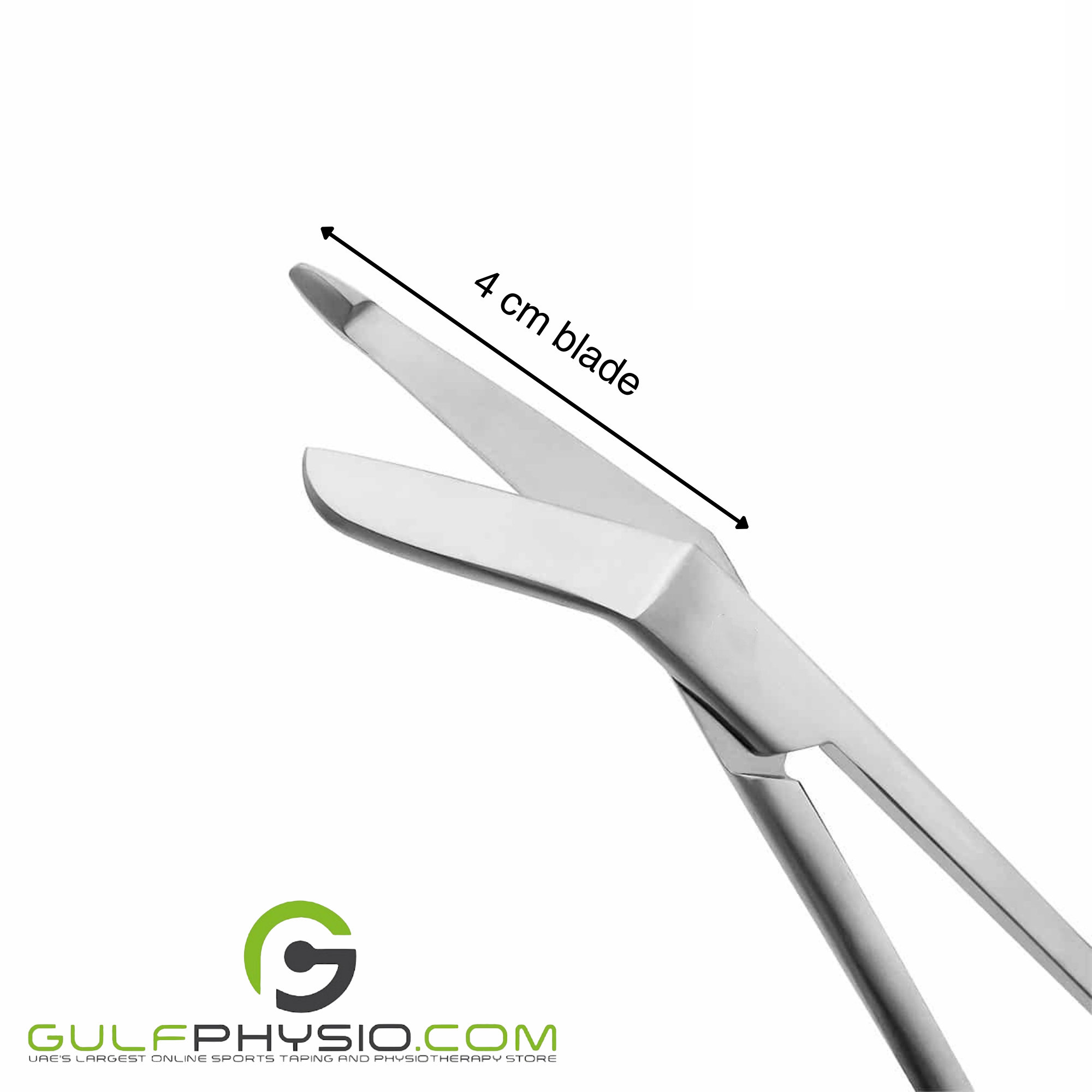


First aid and emergency response supplies are the core essentials used to prepare for, assess, clean, protect, dress, and respond during injuries and urgent care situations. This range typically includes first aid kits, refill items, dressings, antiseptics, CPR barriers, AED-ready accessories, gloves, cold therapy items, and other response tools that help clinics, workplaces, sports teams, schools, and households stay prepared for fast action.
A strong first aid and emergency setup is not only about having products on hand. It is about choosing the right mix of wound care, infection-control, resuscitation, and preparedness items for your setting, your patient profile, and your likely incident type. Whether you are building a clinic station, restocking a workplace cabinet, preparing a sports sideline bag, or organizing a home emergency kit, the right supplies improve response speed, safety, and confidence.
Who It's For
First aid and emergency response products are suitable for any setting where injuries, sudden illness, or urgent incidents may need immediate attention before advanced care is available. This category is especially relevant for:
- Clinics and physiotherapy centers that need wound care, cleaning products, gloves, CPR barriers, and emergency readiness items.
- Workplaces and industrial sites that require stocked first aid kits, refill supplies, and accessible response stations.
- Sports teams, gyms, and schools that need sideline care items for cuts, sprains, impact injuries, and rapid response.
- Home users and caregivers who want a practical kit for day-to-day incidents and emergency preparedness.
- Travel, vehicle, and field-use settings where portable first aid and compact emergency items are essential.
- Event venues and public-facing facilities that need organized, visible, easy-to-access emergency supplies.
How to Choose
Choose by setting
Your first decision should be where the supplies will be used. A physiotherapy clinic may prioritize dressings, antiseptics, gloves, CPR items, and organized refill stock. A workplace may need a mounted first aid kit with broad coverage for common injuries. A sports environment may need portable bags, cold packs, bandages, and rapid-access wound care. A home kit may focus on versatility, compact storage, and ease of use.
Choose by likely incident type
Different environments create different response needs. Minor cuts and abrasions require plasters, gauze, and antiseptics. Burns may need cooling and protective dressings. Sprains and strains often call for cold therapy and compression support. Cardiac emergencies require CPR barriers and AED readiness. Heat-related incidents may require cooling support and quick-access emergency basics.
Choose between complete kits and refill-based stocking
Complete first aid kits are ideal when you need convenience, portability, and broad coverage in one pack. Refill-based purchasing is better for clinics, workplaces, and organizations that already have cabinets, bags, or stations in place and need to maintain stock efficiently over time.
Choose by portability and access
Portable kits and response bags are better for mobile teams, sports use, field work, and vehicles. Wall-mounted kits and organized cabinets are better for fixed sites that need quick visibility and central access. If speed matters, choose supplies that are easy to identify, segment, and replace.
Choose products that support maintenance and readiness
Emergency response is not just about buying once. Single-use items, antiseptics, gloves, CPR valves, and certain AED accessories all need regular checking and replacement. Choose products that make inspection, replenishment, and expiry-date management easier.
What Conditions does this product range solve
This product range helps support immediate response to common injury and emergency situations. While the exact use depends on the product selected and the user’s training, first aid and emergency response supplies are commonly chosen to help address:
- Minor cuts, abrasions, and lacerations
- Bleeding control and wound covering
- Burns and surface skin injuries
- Sprains, strains, and impact-related soft tissue injuries
- Blisters and friction-related skin damage
- Skin cleaning before treatment or dressing application
- Infection-control support during first response
- Emergency preparedness for workplaces, clinics, homes, and public spaces
- Cardiac emergency readiness through CPR barriers and AED support accessories
- Heat-related incident preparedness where fast access to essentials matters
In practical terms, this category is less about one single condition and more about being prepared across a range of urgent care scenarios. It helps build a response system that is faster, cleaner, safer, and more organized when an incident happens.
Compare product vs product
Complete first aid kits vs refill supplies
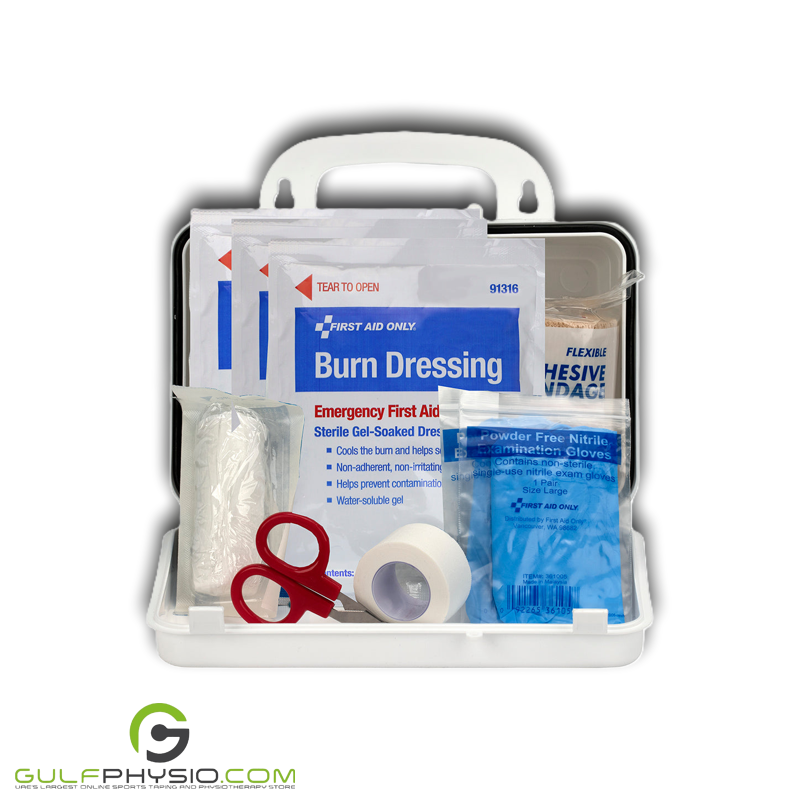
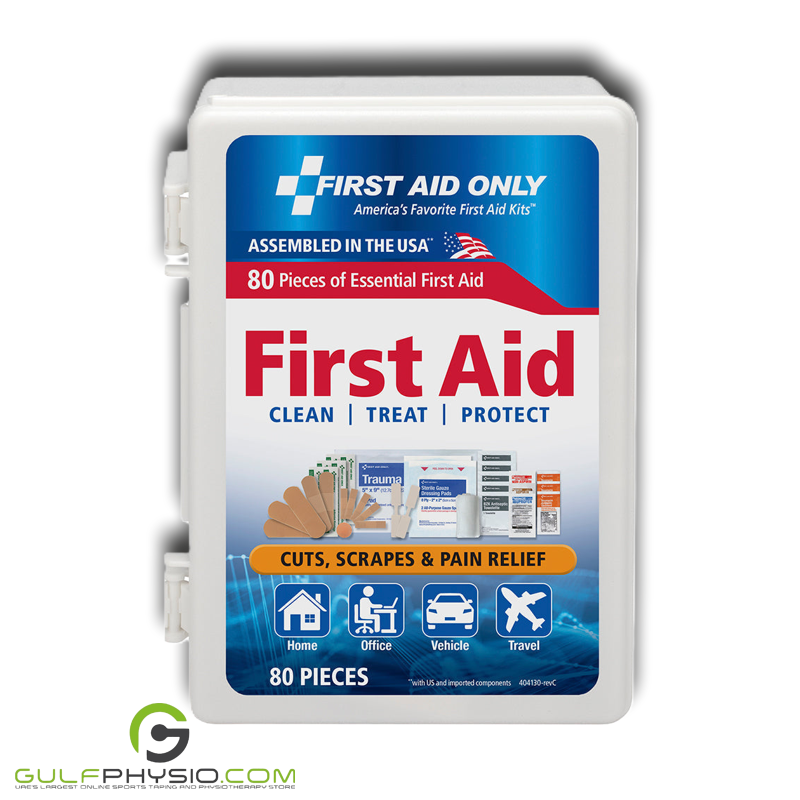
Complete first aid kits are best when you need a ready-made solution with a broad mix of essentials in one package. They suit homes, cars, travel, schools, and smaller workplaces. Refill supplies are better for clinics, larger facilities, and teams that already have a response station and want to restock individual items as they are used.
Adhesive plasters vs sterile gauze dressings
Adhesive plasters are better for small cuts, superficial abrasions, and quick protection of minor wounds. Sterile gauze dressings are more suitable for larger wound coverage, absorption, cushioning, and situations where you need more flexibility in dressing size and layering.
Antiseptic solutions vs alcohol prep products
Antiseptic solutions are generally chosen when the goal is skin or wound-area cleaning within first aid protocols. Alcohol prep products are commonly used for skin preparation and surface-level cleaning tasks where quick evaporation and convenience are important. The right choice depends on the use case, the protocol, and the treatment setting.
CPR face shields vs pocket masks with valves
CPR face shields are compact, lightweight, and useful for portable kits and rapid-access emergency response. Pocket masks with valves offer a more structured barrier solution and are often preferred in professional settings, training environments, and organized response stations.
Portable response bags vs wall-mounted first aid stations
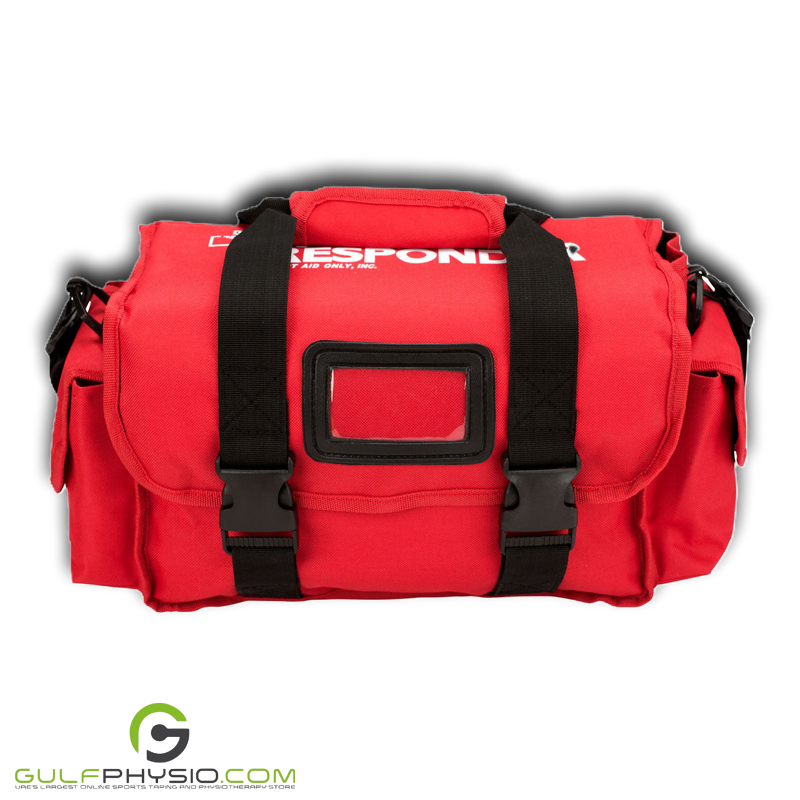
Portable bags are ideal for sports, mobile clinicians, vehicles, travel, and event coverage. Wall-mounted stations are better for fixed facilities such as clinics, factories, offices, schools, and gyms where a visible, centralized response point improves access and accountability.
Instant cold packs vs reusable cold therapy options
Instant cold packs are better for emergency use because they activate quickly and do not require a freezer. Reusable cold therapy options are more economical for ongoing use, but they are less practical when immediate sideline, travel, or workplace response is the priority.
FAQs
What is included in a first aid and emergency response category?
This category usually includes first aid kits, refill items, plasters, dressings, gauze, antiseptics, gloves, CPR barriers, AED-related accessories, cold therapy items, and other products used for rapid incident response and preparedness.
Who should keep first aid and emergency response supplies in stock?
Clinics, workplaces, schools, sports teams, gyms, public venues, home users, and travel or vehicle operators should all maintain supplies suited to their environment and level of risk.
Should I buy a full first aid kit or individual refill items?
Choose a full kit when you need convenience and broad coverage in one product. Choose refill items when you already have a station, cabinet, or bag and need to maintain or upgrade specific components.
How often should first aid supplies be checked?
First aid supplies should be checked regularly for stock levels, packaging condition, cleanliness, and expiry dates. High-use settings such as clinics, sports facilities, and workplaces usually need more frequent inspections.
What is the difference between CPR supplies and general first aid supplies?
General first aid supplies focus on wound care, cleaning, dressing, and basic injury management. CPR supplies are more specific to resuscitation readiness and may include face shields, pocket masks, replacement valves, and related barrier devices.
Can this category support workplace and clinic preparedness?
Yes. This category is highly relevant for both workplace and clinic preparedness because it brings together the core items needed for rapid access, organized storage, restocking, and safer first response.
What should I prioritize for a sports or sideline first aid setup?
Sports and sideline kits often prioritize portable storage, dressings, plasters, gauze, antiseptics, gloves, instant cold packs, and practical emergency items that can be reached quickly during training or competition.
Why is emergency readiness important even for lower-risk environments?
Even lower-risk settings can face cuts, falls, heat stress, sudden illness, or unexpected incidents. Having organized first aid and emergency response supplies helps teams act faster and more confidently when something happens.