
Elastic Bands, Tubes, Pulleys & Loops for Physiotherapy & Rehab | Resistance Training Supplies
Showing 1–12 of 20 results
Jump to: Who It's For | How to Choose | Conditions | Compare | FAQs
Elastic bands, resistance tubes, loops, and pulley systems are essential tools for physiotherapy, rehabilitation, and functional strength training. Designed for progressive resistance, they support injury recovery, mobility improvement, and performance conditioning across all levels.







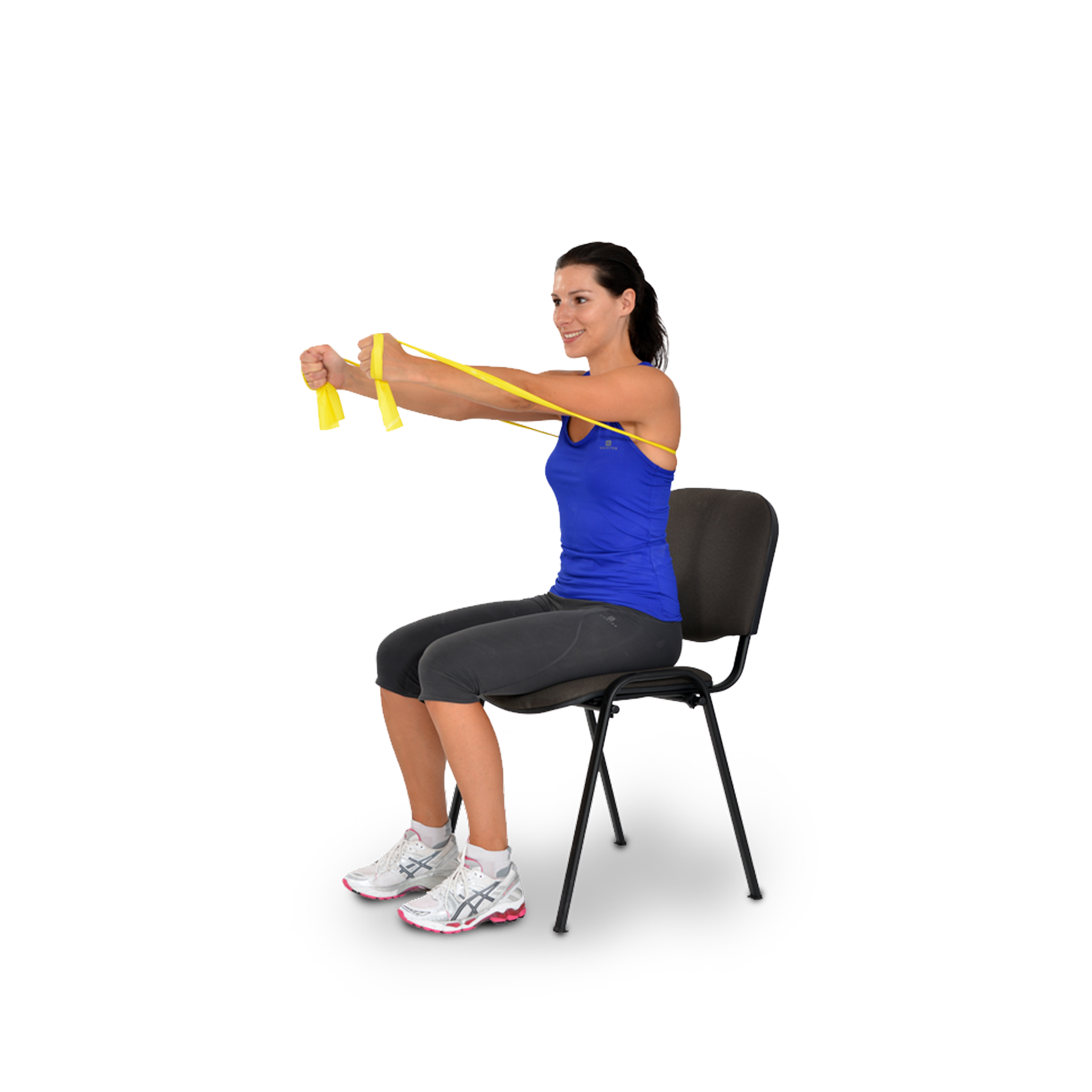


Overview of Elastic Bands, Tubes, Pulleys and Loops
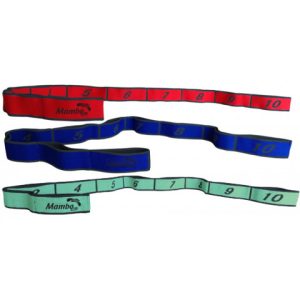
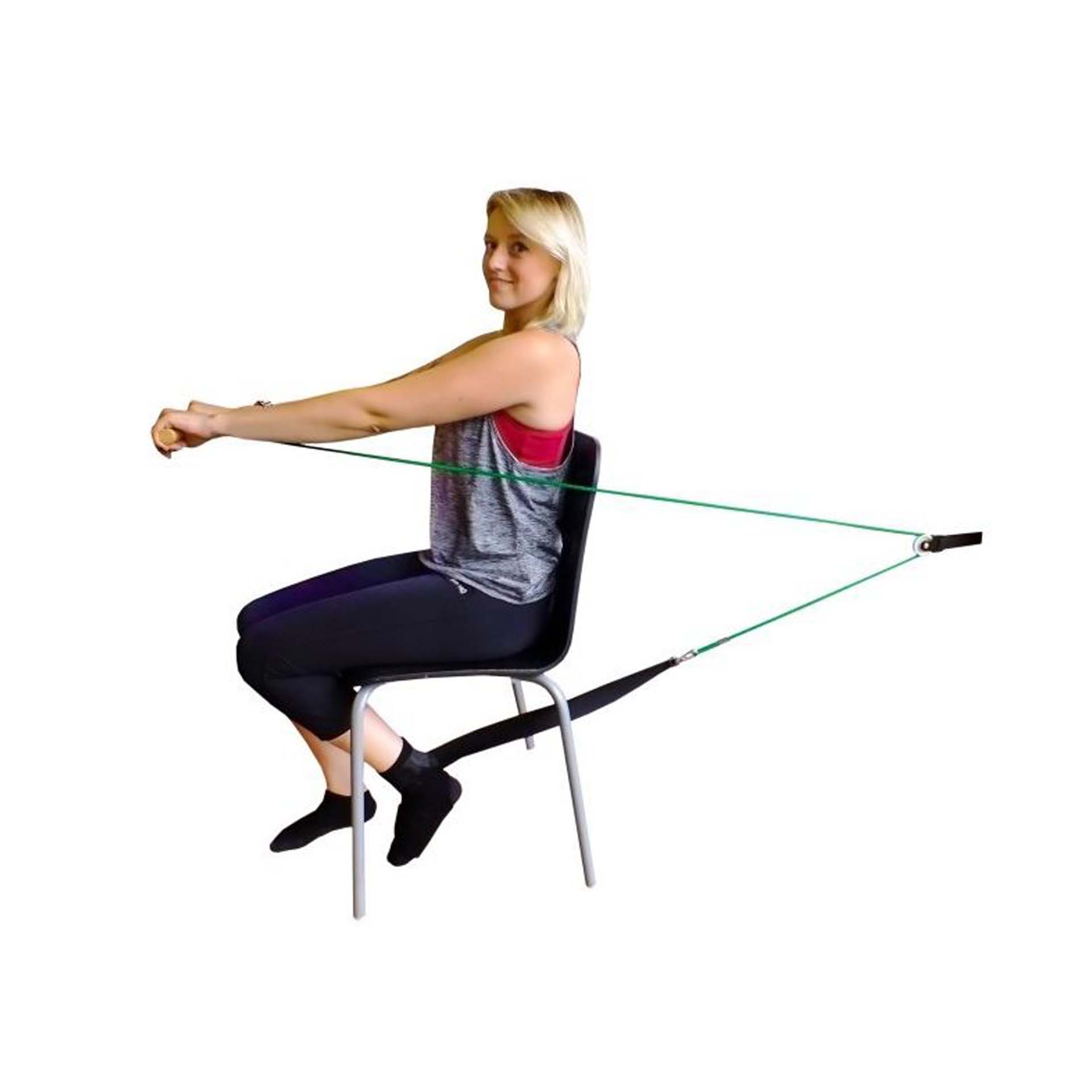
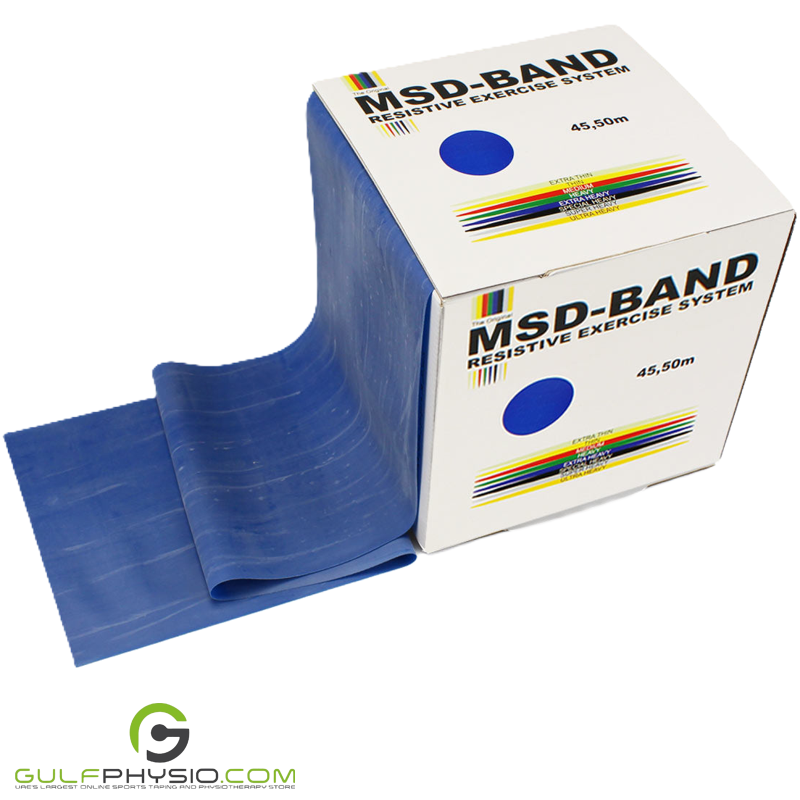
Elastic bands, resistance tubes, elastic loops, and pulley systems are foundational tools in physiotherapy and exercise rehabilitation. These products create variable resistance training, allowing clinicians and athletes to progressively load muscles without heavy equipment. They are widely used in physiotherapy clinics, sports rehab programs, and home exercise plans to restore strength, improve joint stability, and enhance functional movement patterns.
Common search terms such as resistance bands, exercise bands, physio bands, elastic strips, and gym elastic ropes all refer to variations of this category, differentiated mainly by material, resistance level, and application style.
Who It's For
This product range is designed for physiotherapists, sports therapists, personal trainers, athletes, and patients undergoing rehabilitation. It is especially useful for individuals recovering from muscle strain, ligament injuries, post-surgical recovery, and mobility limitations. It is also widely used in athletic performance training for runners, cyclists, and gym-based strength conditioning.
How to Choose
Choosing between elastic bands, tubes, loops, and pulley systems depends on training goals and resistance needs:
- Flat elastic bands: Best for rehabilitation, mobility, and controlled activation exercises.
- Resistance tubes: Ideal for progressive strength training and gym-style workouts.
- Loop bands: Commonly used for glute activation, hip stability, and lower-body rehab.
- Pulley systems: Suitable for guided rehabilitation and controlled range-of-motion training.
Resistance level (light, medium, heavy) should always be selected based on patient capability and progression stage.
What Conditions Does This Product Range Solve
Elastic resistance tools are widely used in physiotherapy and sports medicine to support recovery and manage a variety of conditions:
- Muscle weakness and post-injury deconditioning
- Shoulder impingement and rotator cuff rehabilitation
- Knee instability and ACL rehabilitation support
- Lower back pain and core stability deficits
- Ankle sprains and proprioception retraining
- Post-operative recovery and controlled mobility restoration
Compare Product vs Product
While all products in this category provide resistance-based training, their structure and clinical application differ significantly:
- Elastic Bands vs Resistance Tubes: Bands provide flat resistance ideal for rehab, while tubes offer anchored resistance for gym-style exercises.
- Loops vs Flat Bands: Loop bands are continuous and better for lower-body activation, while flat bands are more versatile for upper and lower limb rehab.
- Pulleys vs Bands: Pulley systems provide guided motion and are often used in post-surgical rehab, whereas bands offer free-range resistance.
FAQs
What are elastic resistance bands used for?
They are used for strength training, physiotherapy rehabilitation, mobility work, and injury prevention by providing controlled resistance during movement.
Are resistance tubes better than elastic bands?
Neither is universally better; tubes are better for gym-style strength training, while elastic bands are preferred in clinical rehabilitation settings.
Can elastic loops help with knee pain?
Yes, loop bands are commonly used to strengthen hip abductors and stabilizing muscles that support knee alignment and reduce pain.
Are physiotherapy bands suitable for home use?
Yes, they are widely used in home exercise programs because they are lightweight, portable, and adaptable to all fitness levels.
How do I know which resistance level to choose?
Start with light resistance for rehabilitation or beginner use, and progressively increase resistance as strength and control improve.