
Neck & Cervical Supports
Showing all 6 results
Jump to: Who It's For | How to Choose | Conditions | Compare | FAQs
Browse neck and cervical supports designed to help stabilize the cervical spine, reduce strain, and support recovery from stiffness, posture-related discomfort, soft tissue injury, and post-treatment immobilization. Our range includes cervical collars, neck braces, and support solutions suitable for clinics, sports medicine, workplace use, and home care.



Neck and cervical supports are designed to help stabilize the cervical region, reduce unnecessary movement, and provide structured support during recovery, rehabilitation, and daily activity modification. This category includes cervical collars, neck braces, and related support aids commonly used in physiotherapy, orthopedic care, sports medicine, workplace injury management, and home recovery. Whether the goal is short-term stabilization after strain, support during whiplash recovery, or help managing posture-related neck discomfort, choosing the right cervical support can improve comfort and help the user move more safely.
Our range is suited for clinics, healthcare professionals, athletes, active individuals, office workers, and patients who need practical neck support options for both professional and home settings. Product selection should always be based on support level, fit, intended duration of wear, and the underlying condition being managed.
Who It's For
Neck and cervical supports are suitable for physiotherapy clinics, orthopedic practices, sports medicine providers, rehabilitation centers, and individuals managing neck discomfort or recovery at home. They are commonly used by patients recovering from cervical strain, minor soft tissue injury, whiplash-associated discomfort, posture-related neck fatigue, or muscle spasm. They can also be appropriate for people who need short-term cervical stabilization during travel, desk work modification, or reduced activity after clinical assessment.
This product range is especially relevant for office workers with recurring neck tension, athletes returning from minor injury, drivers or travelers with prolonged seated posture demands, and patients who need temporary support while following a rehabilitation plan. For professional buyers, these products are a staple in musculoskeletal care, acute support protocols, and outpatient recovery recommendations.
How to Choose
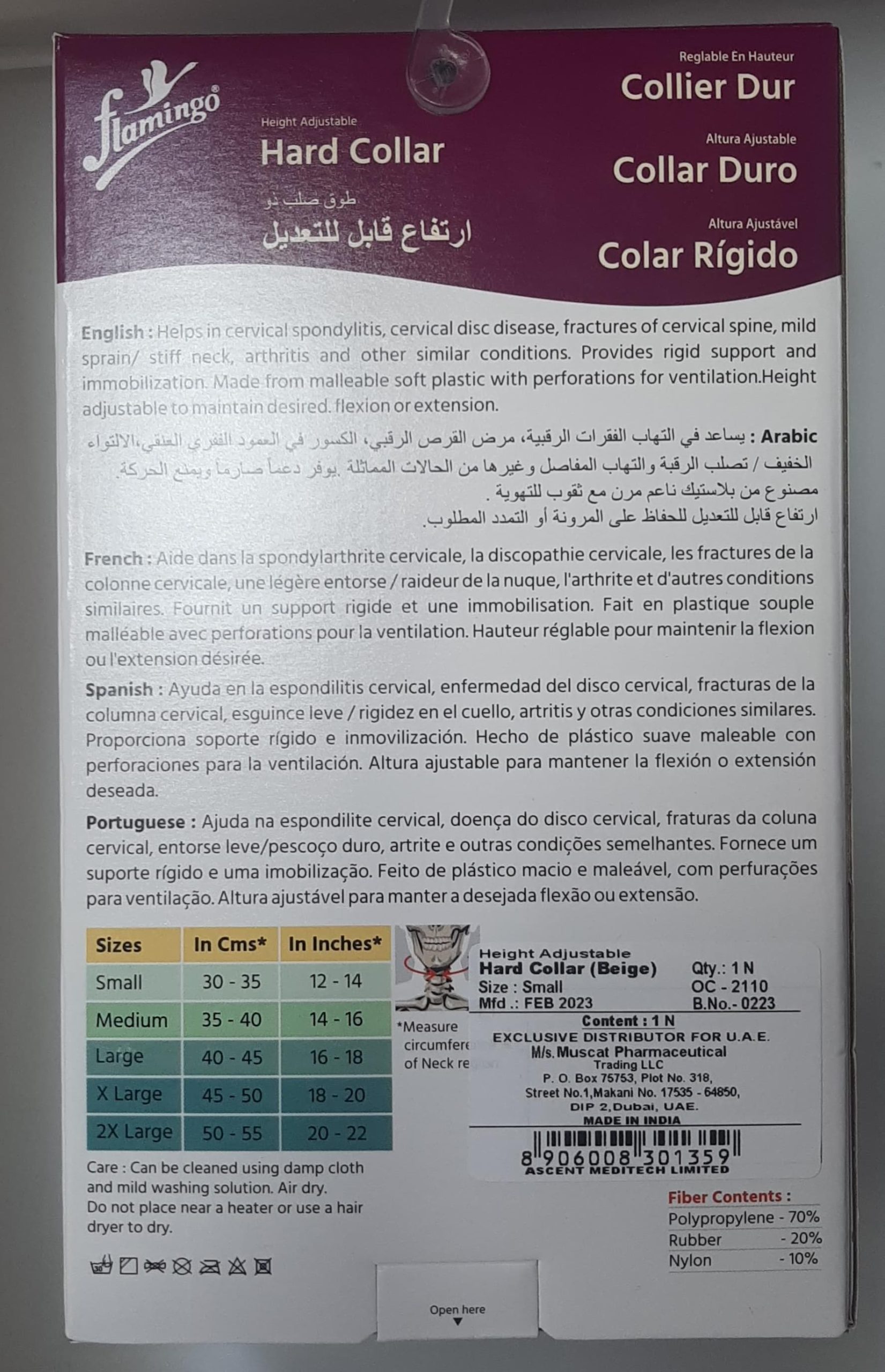
When choosing a neck or cervical support, start with the intended purpose: comfort support, motion restriction, posture assistance, or short-term stabilization. Soft cervical collars are generally chosen when light support and comfort are the priority, while more structured or semi-rigid supports are used when greater control of neck movement is needed. The right option depends on how much immobilization is required, how long the brace will be worn, and whether the use case is clinical, occupational, sports-related, or home-based.
Fit is equally important. Check collar height, circumference adjustment, closure design, padding, breathability, and ease of cleaning. A poor fit can reduce support quality and user compliance. For repeat daily wear, comfort, skin tolerance, and hygiene become just as important as firmness. Clinics and professional buyers may also want to standardize product choice by patient type, indication, and support level.
What Conditions does this product range solve
Neck and cervical supports are commonly used to help manage cervical strain, neck stiffness, whiplash-related discomfort, postural overload, minor sprains, muscle tension, and selected cases of cervical spondylosis where temporary support is recommended. They may also be used after minor injury, during flare-ups of movement-related pain, or when limiting cervical motion is part of a broader treatment or recovery plan.
In sports medicine and rehabilitation settings, these products can assist during early-stage recovery by reducing excessive neck movement and helping patients tolerate day-to-day activity more comfortably. In workplace and home settings, they are often used to support the neck during short periods of rest, travel, or modified activity, especially where poor posture, repetitive strain, or static seated positions contribute to discomfort.
Compare product vs product
Soft cervical collars are best for light support, comfort, and gentle movement limitation. They are often chosen for mild strain, muscle spasm, temporary stiffness, and short-term everyday support where full immobilization is not needed.
Semi-rigid or structured cervical supports provide firmer stabilization and are more suitable when better movement control is required. These are typically selected in more demanding recovery situations, where the user needs a higher level of cervical support than a simple foam collar can provide.
Adjustable neck braces are useful when fit customization, repeat wear, and user comfort are priorities. They may offer a balance between support and wearability for outpatient or home use.
Posture-oriented neck and upper support products are more appropriate when the underlying issue is postural fatigue or desk-related overload rather than acute cervical stabilization. These should not be confused with true cervical collars, as the function and support profile are different.
FAQs
What is the difference between a neck support and a cervical collar?
A neck support is a broad term that can include comfort braces, posture supports, and collars. A cervical collar is a more specific support designed to help stabilize the cervical region and limit neck movement to a greater degree.
When should I choose a soft cervical collar?
A soft cervical collar is usually chosen when light support, comfort, and gentle movement restriction are needed, such as in mild strain, stiffness, or temporary flare-ups of neck discomfort.
Are structured cervical supports better than soft collars?
Not always. Structured supports offer more stabilization, but the better choice depends on the condition, the level of support required, the duration of use, and the recommendation of the treating professional.
Can these products be used for posture-related neck pain?
Yes, some products in this range may help during short-term support needs related to poor posture or desk-related strain. However, posture-related issues may require a different product type than acute cervical immobilization.
How do I know what size cervical support to buy?
Check the product sizing guide for neck circumference, collar height, and adjustment range. Proper fit is essential for both support and comfort.
Who typically buys neck and cervical supports?
These products are commonly purchased by physiotherapy clinics, orthopedic and rehabilitation providers, sports medicine practices, corporate first response teams, and individuals managing recovery or daily neck support needs at home.