
Exercise Balls, Gym Balls & Pilates Balls
Showing all 3 results
Jump to: Who It's For | How to Choose | Conditions | Compare | FAQs
Shop exercise balls, gym balls and Pilates balls for rehabilitation, balance training, posture work, core strengthening and functional exercise. This range includes anti-burst gym balls, Pilates balls and training balls suited to clinics, studios, gyms and home recovery programs.


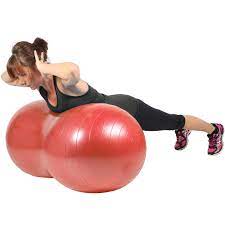
Exercise balls, gym balls and Pilates balls are used across physiotherapy, rehabilitation, fitness and home exercise programs for core training, balance work, posture correction, mobility drills and controlled strengthening. Whether you are building a clinic exercise corner, upgrading a studio, or selecting a simple home rehab tool, this category helps you choose the right ball based on stability, size, resistance level and intended use.
Who It's For
This category is suitable for physiotherapy clinics, rehabilitation centres, Pilates studios, gyms, sports medicine teams and home users who need a versatile tool for movement, strengthening and exercise progression. Exercise and Pilates balls are commonly used by patients working on trunk control, posture, balance and coordination, as well as by athletes and general fitness users who want to improve core strength and movement quality.
They are also useful for office workers using movement breaks, people returning to exercise after injury, and users following guided mobility or low-impact strengthening programs at home.
How to Choose
The right product depends on your exercise goal, available space, and how much stability or instability you want in the movement. Large gym balls are commonly used for seated exercises, core training, posture work and rehabilitation drills. Mini Pilates balls are better for targeted activation, inner thigh work, pelvic control, shoulder stability and gentle home programs. Heavier training balls are more suited to functional exercise and conditioning.
When choosing, look at ball diameter, anti-burst construction, grip texture, pump compatibility, clinic or commercial durability, and whether the exercise will be done seated, lying down, standing or against a wall. A ball that is too small or too large can change body position and reduce exercise quality, so size selection matters.
For clinic purchasing, it also helps to decide whether you need a ball mainly for rehabilitation use, Pilates sessions, general mobility work, or functional training circuits.
What Conditions does this product range solve
This product range helps support exercise programs for poor posture, reduced core control, balance deficits, mobility restrictions, general deconditioning and movement retraining after inactivity or injury. In physiotherapy settings, these balls are often used to support controlled exercise for lower back discomfort, pelvic stability work, postural re-education, coordination drills and gradual return-to-movement plans.
They are also commonly used in programs focused on flexibility, trunk endurance, proprioception, seated exercise tolerance and low-impact strengthening. In fitness and studio environments, they help users challenge stability, improve movement awareness and progress body control without complex equipment.
Compare product vs product
Large gym balls: Best for seated exercise, posture drills, trunk control, stretching and full-body rehab movements. These are the most versatile option for clinics and home users.
Mini Pilates balls: Best for targeted muscle activation, controlled Pilates work, pelvic positioning, shoulder exercises and low-load home routines. They are compact and easy to store.
Functional training balls: Best for dynamic exercise, conditioning and higher-demand strength or coordination drills where more speed, resistance or impact is involved.
Anti-burst balls: Best when safety, controlled deflation and clinical use are priorities, especially in rehab and supervised exercise settings.
If your main goal is rehabilitation or posture work, start with an anti-burst gym ball or a mini Pilates ball. If your priority is conditioning or more advanced exercise progressions, a functional training ball may be more suitable.
FAQs
What is the difference between a gym ball and a Pilates ball?
A gym ball is usually larger and used for seated work, core training, stretching and balance exercises. A Pilates ball is often smaller and used for targeted control, activation and support during mat-based exercises.
How do I choose the right size exercise ball?
Ball size is usually chosen based on user height and intended exercise. For seated positions, your hips and knees should generally form a comfortable right angle, but specific brand sizing charts should always be checked.
What does anti-burst mean?
Anti-burst balls are designed to deflate more slowly if punctured rather than suddenly bursting, making them a safer option for rehabilitation, clinic use and home users who want extra confidence.
Are these balls suitable for physiotherapy use?
Yes. Exercise balls and Pilates balls are widely used in physiotherapy for posture work, balance drills, trunk stability, mobility routines and progressive strengthening programs.
Can these be used at home?
Yes. Many home users choose them for stretching, low-impact exercise, core work and guided rehabilitation routines, especially when they want a compact and versatile exercise tool.
Which type is best for core strengthening?
Large gym balls are usually the most versatile for core strengthening, while mini Pilates balls are useful for more targeted activation and control-based exercises.