
Dumbbells, Wearable Weights & Resistance Training
Showing all 10 results
Jump to: Who It's For | How to Choose | Conditions | Compare | FAQs
Shop dumbbells, ankle weights, wrist weights, cuff weights, and rehab resistance training tools for progressive strengthening, mobility work, and clinical exercise programs. Ideal for physiotherapy clinics, home rehab, sports conditioning, and general strength recovery.


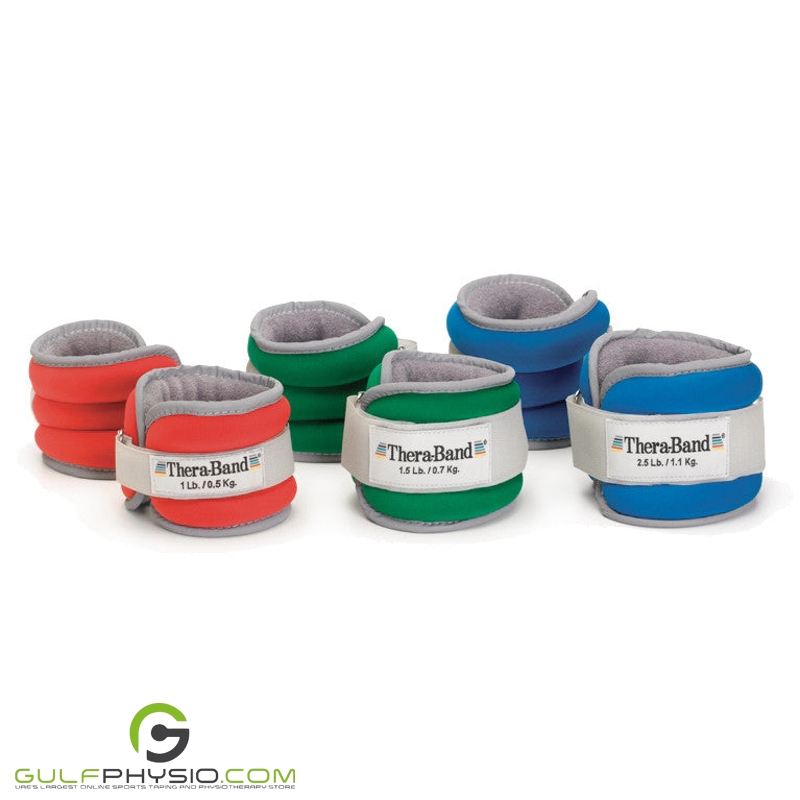

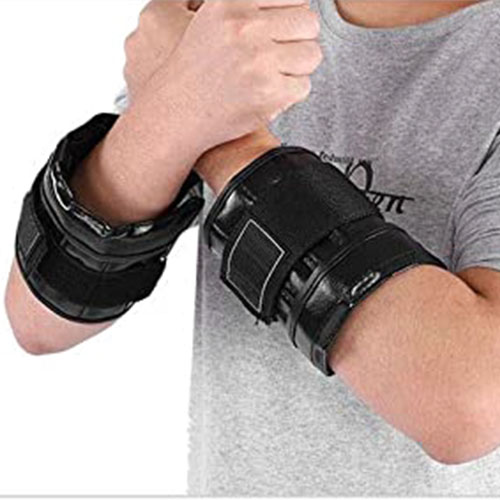
Weights and wearable resistance tools are used across physiotherapy, sports medicine, home exercise programs, and general conditioning to build strength in a gradual, measurable way. This range includes dumbbells, wrist weights, ankle weights, cuff weights, and other resistance training tools designed to support progressive loading, functional exercise, and targeted limb strengthening. Whether you are equipping a clinic, setting up a rehab gym, or adding simple strengthening tools for home use, these products help make exercise progression more practical and consistent.
Who It's For
This category is suitable for physiotherapists, rehab clinics, sports medicine professionals, personal trainers, and home users following a structured strengthening plan. It is commonly used for upper-limb and lower-limb strengthening, return-to-activity exercise, general conditioning, and supervised recovery programs where gradual resistance matters. Wearable weights can be useful when the goal is targeted limb loading, while dumbbells are often chosen for more versatile strength and functional movement training.
How to Choose
Start by deciding whether you need dumbbells for broader strength exercises or wearable weights for more targeted loading. Dumbbells are better for presses, curls, raises, rows, and functional movement patterns. Wrist, ankle, and cuff weights are better when you want hands-free resistance or specific limb-focused exercise.
Choose lighter increments when working in rehabilitation settings, with older adults, or when small progression steps are important. Look at the fastening system, padding, and overall fit for wearable weights, especially if the product will be used repeatedly in a clinic. For dumbbells, consider grip comfort, coating material, ease of cleaning, and whether the weight range fits your exercise progression model.
If the products are for clinic use, consistency, durability, and simple storage matter. If they are for home use, comfort, compact size, and ease of use usually matter more. The best choice is the one that matches the patient’s tolerance, exercise goal, and stage of recovery.
What Conditions does this product range solve
This range is commonly used to support exercise programs aimed at improving strength, endurance, and controlled movement in people dealing with muscle weakness, deconditioning, reduced exercise tolerance, and loss of function after inactivity or injury. Depending on the program, these products may be included in strengthening work for the shoulders, arms, hips, knees, and ankles, as well as general conditioning and balance-related exercise progression.
In clinical settings, weights and wearable resistance may form part of a supervised plan for post-injury strengthening, return-to-sport conditioning, mobility support, and functional retraining. They can also be useful in general wellness and fitness settings where the goal is progressive overload without large or complicated equipment. Product selection should always match the user’s ability level and intended exercise plan.
Compare product vs product
Dumbbells vs wrist weights: Dumbbells offer more exercise variety and are easier to use for presses, curls, rows, and shoulder exercises. Wrist weights are better when light wearable resistance is needed without gripping a handle.
Ankle weights vs cuff weights: Both are used for limb-focused resistance work, but cuff weights are often chosen when a more secure or therapy-style fit is needed. Ankle weights are common for lower-limb exercise, gait-related drills, and strengthening routines where quick application matters.
Fixed-weight dumbbells vs adjustable options: Fixed weights are faster to use in clinics and group exercise areas, while adjustable systems can save space and suit home users who want multiple resistance levels in one unit.
Light increments vs larger increments: Smaller jumps are better for rehab progression and controlled strengthening. Larger jumps may suit stronger users, conditioning spaces, or later-stage exercise programs.
FAQs
What products are included in this category?
This category may include dumbbells, wrist weights, ankle weights, cuff weights, wearable resistance products, and other compact strength training tools used in rehab and conditioning programs.
Are wearable weights better than dumbbells?
Not necessarily. Wearable weights are better for targeted limb loading and hands-free exercise, while dumbbells are better for broader strength training and more exercise variety.
What weight should I start with?
The starting weight depends on the exercise, the user’s strength level, and the goal of the program. In rehab and recovery settings, lighter starting loads and gradual progression are usually the safer option.
Are these products suitable for physiotherapy clinics?
Yes. Many clinics use dumbbells, cuff weights, and ankle or wrist weights for progressive strengthening, functional training, and supervised exercise progression.
Can these be used at home?
Yes. Many of these products are compact and easy to use at home, especially for structured exercise plans, general strengthening, and ongoing mobility or conditioning work.
What is the difference between ankle weights and wrist weights?
Ankle weights are usually used for lower-limb exercises, while wrist weights are used for upper-limb or hands-free arm exercises. The right choice depends on which body area you want to target.
Are heavier weights always better?
No. In many rehab and clinical exercise programs, controlled progression and correct movement quality are more important than increasing load too quickly.