
Balance, Stability & Proprioception Trainers
Showing all 3 results
Jump to: Who It's For | How to Choose | Conditions | Compare | FAQs
Shop balance, stability and proprioception trainers for rehab, injury prevention, neurological recovery and sports performance. Explore balance pads, wobble boards, balance discs, stability trainers and coordination tools for clinics, gyms and home exercise programs.


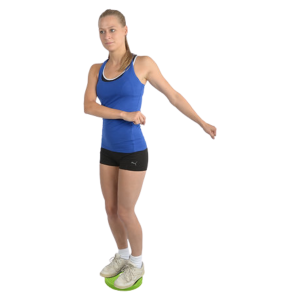

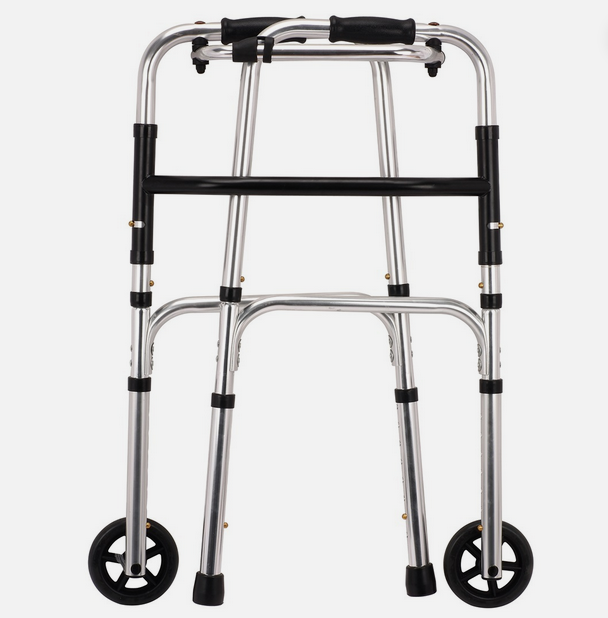
Balance, stability and proprioception trainers are used in physiotherapy, sports medicine, neurological rehabilitation and home exercise programs to improve coordination, postural control and joint awareness. This category includes wobble boards, balance pads, balance discs and other unstable-surface trainers designed to challenge stability safely and progressively.
These tools are commonly used for ankle rehab, knee rehab, fall prevention, gait retraining, return-to-sport conditioning and general movement confidence. Whether you are equipping a clinic, setting up a gym rehabilitation corner or building a home program, choosing the right balance trainer helps match the exercise difficulty to the user’s needs and recovery stage.
Who It's For
Balance and stability trainers are suitable for physiotherapists, rehabilitation clinics, sports teams, trainers, elderly care settings and home users working on safer movement and better control. They are often recommended for people recovering from ankle sprains, knee injuries, neurological conditions, post-operative weakness or reduced confidence with standing and walking.
They are also useful for athletes who need proprioceptive training as part of injury prevention and return-to-play programs. In home settings, balance trainers can support gentle coordination work, lower-limb control and structured exercise progression under professional guidance.
How to Choose
Choose a balance or stability trainer based on the user’s condition, confidence level, weight-bearing tolerance and exercise goal. Softer balance pads are often ideal for early-stage rehab and controlled standing exercises, while wobble boards and discs create greater instability for more advanced neuromuscular training.
For ankle and foot control, compact unstable-surface tools may work well for targeted exercises. For broader lower-body and postural work, larger balance boards or pads can support stance training, squats, step work and coordination drills. Also consider whether the product will be used in a clinic, gym or home environment, as portability, hygiene, grip and durability all affect daily usability.
What Conditions does this product range solve
Balance, stability and proprioception trainers are used to support rehabilitation and exercise programs for ankle instability, recurrent sprains, knee injuries, post-operative weakness, gait deficits and reduced lower-limb control. They are also commonly used for fall-prevention programs, age-related balance decline and neurological rehabilitation where coordination and body awareness need improvement.
In sports medicine, these products help retrain movement quality after injury and improve joint control during return-to-play progressions. In general rehabilitation, they can support better posture, safer weight transfer, improved confidence during standing tasks and more controlled functional movement.
Compare product vs product
Balance pads vs wobble boards: Balance pads are usually softer and more forgiving, making them suitable for early-stage rehab, elderly users and static control exercises. Wobble boards create a stronger instability challenge and are often better for advanced proprioception work and sports rehab.
Balance discs vs boards: Balance discs are compact and versatile, often used for seated, standing or single-limb drills where space is limited. Boards usually provide a broader platform and are better suited to structured standing progressions, functional movement drills and clinic-based programs.
Entry-level vs advanced trainers: Entry-level products are best for users who need controlled instability and confidence-building. More advanced trainers are better for dynamic coordination, high-level joint control and progressive return-to-sport exercises.
FAQs
What is the difference between balance training and proprioception training?
Balance training focuses on controlling the body during standing and movement, while proprioception training targets the body’s awareness of joint position and movement. In practice, many products in this category help develop both at the same time.
Which product is best for ankle sprain rehabilitation?
For many users, a softer balance pad or lower-intensity stability trainer is a good starting point, with progression to wobble boards or more dynamic tools as strength and confidence improve. The best choice depends on the rehab stage and the clinician’s exercise plan.
Are these products only for athletes?
No. They are widely used in physiotherapy, elderly mobility programs, neurological rehab and general home exercise. Athletes use them for performance and injury prevention, but they are equally valuable in non-sport rehab settings.
Can balance trainers help with fall prevention?
Yes. Many balance and stability tools are used in fall-prevention programs to improve postural control, coordination and confidence during standing and walking tasks. Product choice should match the user’s safety needs and ability level.
Are balance boards and pads suitable for home use?
Yes, many are suitable for home exercise, especially when a physiotherapist or trainer has recommended specific drills. For home users, portability, surface grip, ease of storage and exercise level are important factors when choosing a product.