
Ankle Braces, Foot Supports and Insoles
Showing all 7 results
Jump to: Who It's For | How to Choose | Conditions | Compare | FAQs
Shop ankle braces, foot supports and insoles designed to improve stability, reduce strain and support everyday movement. This range helps with ankle sprains, plantar fasciitis, heel pain, arch fatigue, flat feet, overpronation and sports recovery.


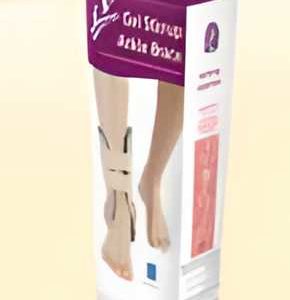
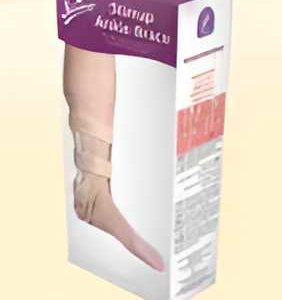

Find ankle braces, foot supports and insoles designed to improve stability, reduce strain and support more comfortable movement. This collection is suitable for sports recovery, daily walking, workplace use and long hours on your feet. Whether you need help with ankle instability, plantar fasciitis, heel pain, flat feet, arch fatigue or pressure relief, choosing the right support can improve comfort, alignment and confidence with every step.
Who It's For
This category is for people who need more support, cushioning or stability through the ankle and foot. It is especially useful for athletes returning from an ankle sprain, people with recurring ankle rolling, workers who stand for long hours, walkers with heel or arch pain, and anyone managing foot fatigue from poor shock absorption or uneven pressure distribution.
It is also relevant for people looking for conservative support options before or alongside physiotherapy, rehabilitation exercise or footwear changes. Depending on the product, ankle braces and foot supports may help improve joint control, reduce overuse strain and make movement feel more secure during sport, work or daily routines.
- People recovering from mild to moderate ankle sprains
- Users with ankle weakness, instability or repetitive rolling
- People with plantar fasciitis, heel pain or arch strain
- Users with flat feet, overpronation or poor foot alignment
- Athletes needing added support for training or return to play
- Workers who spend long hours standing or walking
- People looking for pressure redistribution and better shoe comfort
How to Choose
Start by identifying whether the main issue is ankle stability, foot alignment, pressure relief or shock absorption. If the problem is around ankle rolling, ligament support or post-sprain confidence, an ankle brace or ankle sleeve is usually the better starting point. If the issue is underfoot pain, arch collapse, heel pressure or long-standing discomfort, insoles or foot supports are often more appropriate.
For ankle products, think about the level of support needed. Compression sleeves are lighter and better for mild swelling or everyday comfort, while structured ankle braces provide more control for instability, sport or rehabilitation. For insoles, think about arch height, shoe type, cushioning level, heel cup design and whether you need everyday comfort, sports use or more targeted support for plantar fasciitis or flat feet.
- Choose ankle braces for instability, sprains, ligament support and return-to-sport confidence
- Choose compression sleeves for mild support, warmth and swelling management
- Choose arch supports or insoles for plantar fasciitis, flat feet, arch pain and pressure redistribution
- Choose cushioned insoles for shock absorption, standing fatigue and heel discomfort
- Choose slim-profile insoles for tighter shoes or daily office footwear
- Check fit and shoe compatibility before selecting a full-length or targeted insert
What Conditions does this product range solve
Ankle and foot support products are commonly used to help manage instability, strain and pressure-related discomfort. While they do not replace diagnosis or treatment for serious injury, they can play an important role in symptom management, movement confidence and load control.
- Ankle sprain recovery: helps support the joint during recovery and return to activity
- Ankle instability: helps improve control for people who frequently roll or twist the ankle
- Plantar fasciitis: helps support the arch and reduce stress through the heel and plantar fascia
- Heel pain: helps cushion impact and redistribute pressure during walking and standing
- Flat feet: helps improve arch support and foot alignment inside the shoe
- Overpronation: helps guide foot position and reduce excess inward rolling
- Arch fatigue: helps reduce strain during long hours of standing, sport or daily movement
- Achilles strain support: some ankle supports may help by improving stability and reducing irritation from movement overload
For many users, the goal is not just pain reduction but better gait efficiency, improved load distribution and more confident movement during daily life, work or sport.
Compare product vs product
Different products in this category solve different biomechanical problems. Choosing the wrong format can lead to poor comfort or limited benefit, so it helps to compare them by purpose rather than by price alone.
Ankle Brace vs Ankle Sleeve
An ankle brace usually provides more structure, more lateral support and better control for instability or sprain recovery. An ankle sleeve is lighter, easier to wear in daily life and better suited to mild compression, warmth and general support.
Full-Length Insoles vs Heel Cups
Full-length insoles support the entire foot and are better when you need arch support, improved alignment or overall comfort. Heel cups are more targeted and are usually chosen for localized heel pain, impact reduction or extra cushioning under the heel.
Soft Cushioned Insoles vs Firm Support Insoles
Soft cushioned insoles focus on comfort, shock absorption and pressure relief. Firm support insoles are better when the priority is foot control, arch support and reducing strain linked to flat feet or overpronation.
Foot Supports vs Footwear Change
Insoles and supports can improve comfort and biomechanics, but they work best when matched with the right shoe shape, fit and activity level. A supportive insert inside an unsupportive shoe may still limit results.
| Product Type | Best For | Main Benefit |
|---|---|---|
| Ankle Brace | Sprains, instability, sport | Higher support and joint control |
| Ankle Sleeve | Mild support, swelling, warmth | Compression and everyday comfort |
| Arch Support Insole | Flat feet, plantar fasciitis, arch pain | Improved alignment and load distribution |
| Cushioned Insole | Standing fatigue, heel discomfort | Shock absorption and pressure relief |
| Heel Cup | Localized heel pain | Targeted cushioning under the heel |
FAQs
What is the difference between an ankle brace and an ankle support sleeve?
An ankle brace usually gives more structure and stability, especially for ligament support and sprain recovery. An ankle sleeve is lighter and is mainly used for compression, warmth and mild support.
Are insoles good for plantar fasciitis?
Many insoles are designed to help with plantar fasciitis by supporting the arch, improving pressure distribution and reducing strain through the heel and plantar fascia.
Can foot supports help with flat feet?
Yes. Foot supports and insoles can help improve arch support and reduce strain linked to flat feet, especially during walking, standing and exercise.
Which is better for heel pain: an insole or a heel cup?
A heel cup is more targeted for localized heel discomfort, while a full insole is often better when heel pain is linked with arch strain, poor alignment or standing fatigue across the whole foot.
Can I wear ankle braces inside shoes?
Many ankle braces and sleeves are designed to fit inside suitable footwear, but fit depends on the shoe volume and the thickness of the support. Always check sizing and shoe compatibility.
Should I choose soft or firm insoles?
Soft insoles are usually better for cushioning and comfort, while firmer insoles are often better for support, alignment and controlling overpronation or arch collapse.
Are these products only for athletes?
No. They are also useful for workers, older adults, walkers, gym users and anyone dealing with foot fatigue, ankle weakness or pressure-related discomfort.
Do ankle braces and insoles replace treatment?
They are supportive tools and can be helpful as part of a broader recovery plan, but persistent pain, severe swelling or repeated injury should still be assessed by a qualified professional.