
TENS, EMS & Electrotherapy Devices
Showing all 8 results
Jump to: Who It's For | How to Choose | Conditions | Compare | FAQs
Shop TENS units, EMS muscle stimulators, electrotherapy devices, electrodes, and accessories for pain management, muscle re-education, and rehabilitation. Suitable for physiotherapy clinics, sports medicine, home recovery, and professional rehab settings.
-

-
-
Sale!
-
-
-
-
-


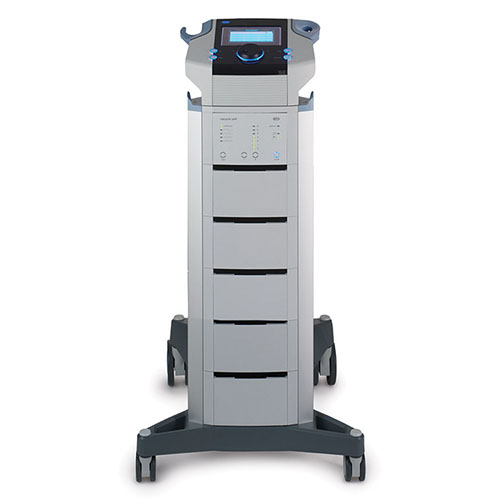
Electrotherapy devices are widely used in physiotherapy, sports medicine, pain management, and home rehabilitation to support pain relief, muscle stimulation, and recovery. This category includes TENS units, EMS muscle stimulators, electrotherapy machines, electrode pads, and accessories for professional and home-use treatment plans.
Who It's For | How to Choose | What Conditions does this product range solve | Compare product vs product | FAQs
Who It's For
This range is designed for physiotherapists, sports medicine clinics, rehabilitation professionals, chiropractors, and home users looking for guided pain-relief or muscle-stimulation support. It is especially useful for clinics treating musculoskeletal injuries, post-operative weakness, soft tissue pain, and recovery-related muscle inhibition. Patients managing ongoing discomfort or following a rehab plan may also use portable TENS or EMS units where appropriate.
Electrotherapy products can suit a wide range of settings, from busy treatment rooms needing dependable multi-program devices to home users who need simple, portable units with easy controls and replacement pads. For professional environments, buyers often look for durability, programmability, channel options, and accessory compatibility. For home recovery, comfort, simplicity, and portability matter most.
How to Choose
Start by identifying the main goal of treatment. If the primary need is pain relief, a TENS unit is usually the most relevant option. If the aim is muscle activation, re-education, or contraction support after injury or surgery, EMS or NMES-style stimulation is often more suitable. Some combination devices offer both functions, which can be ideal for clinics or users managing multiple stages of recovery.
Next, compare channel count, treatment programs, intensity range, battery type, and whether the device is intended for home or clinical use. Also check compatibility with replacement electrode pads, lead wires, and other accessories. Buyers treating multiple body areas may prefer more channels and programmable settings, while occasional users may benefit from a simpler portable unit with pre-set modes.
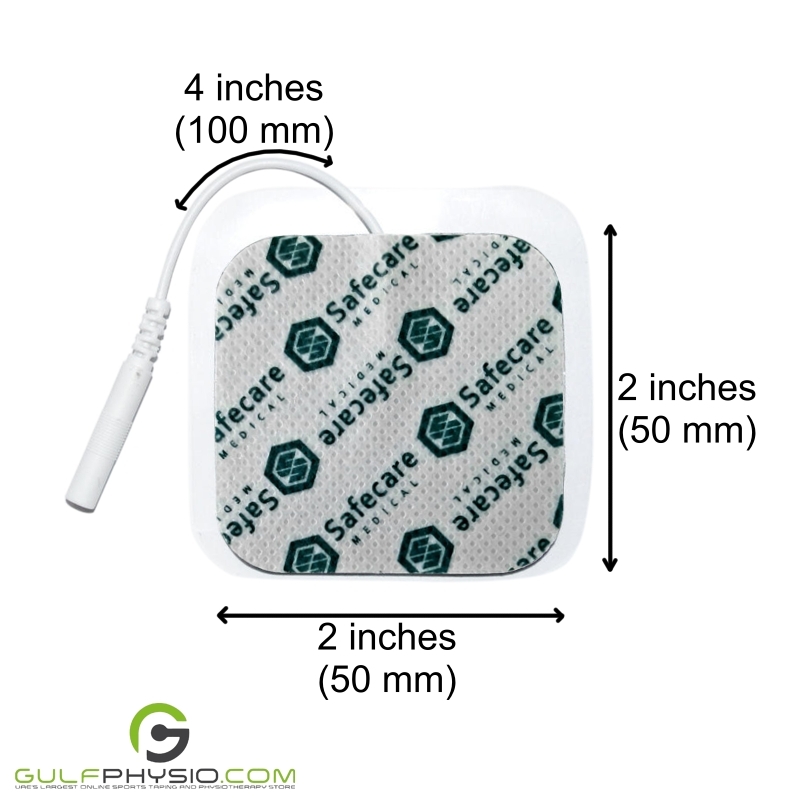
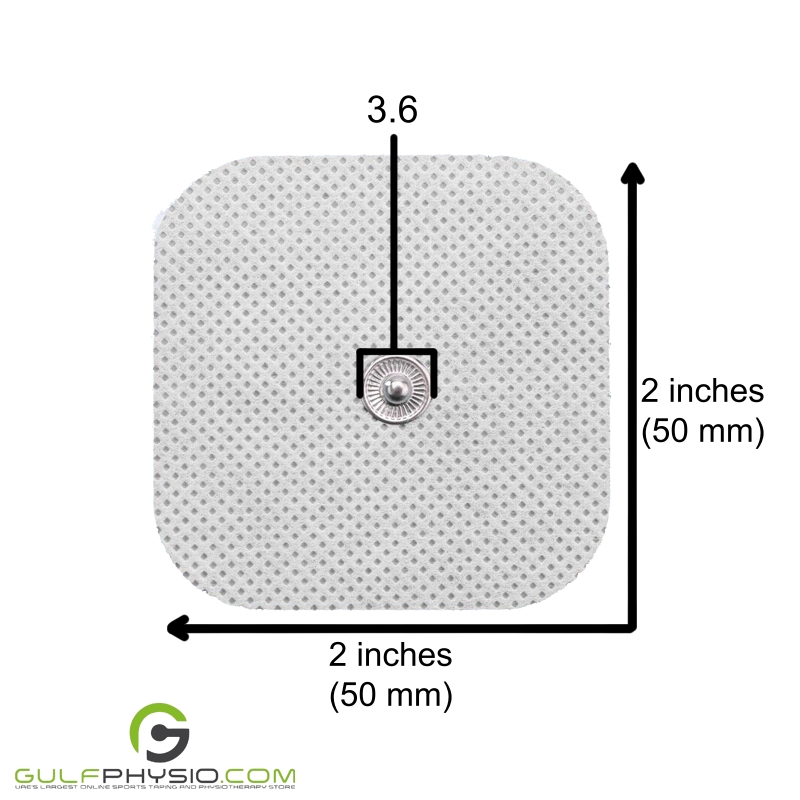
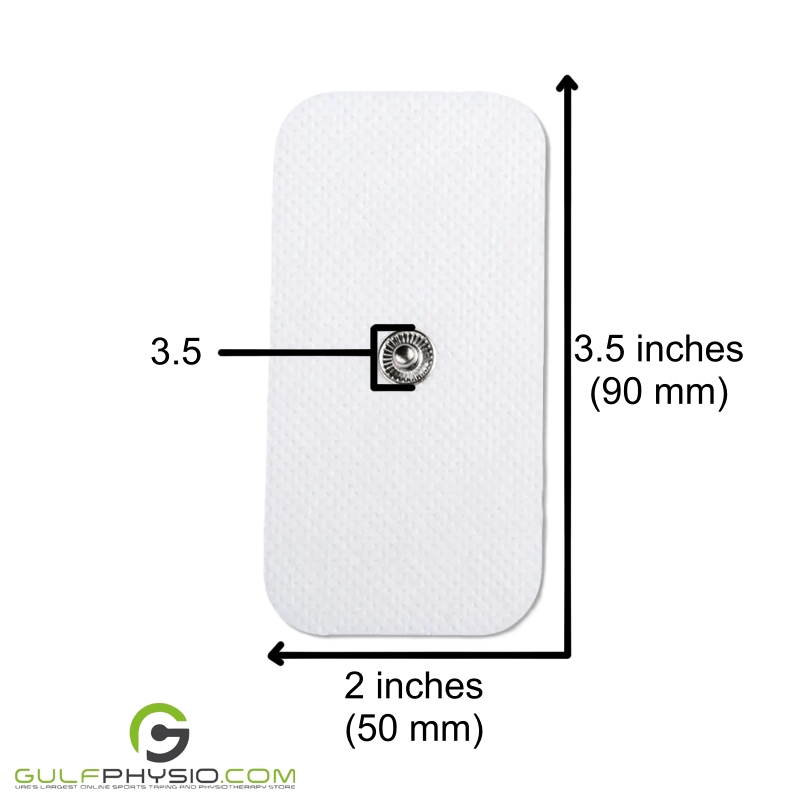
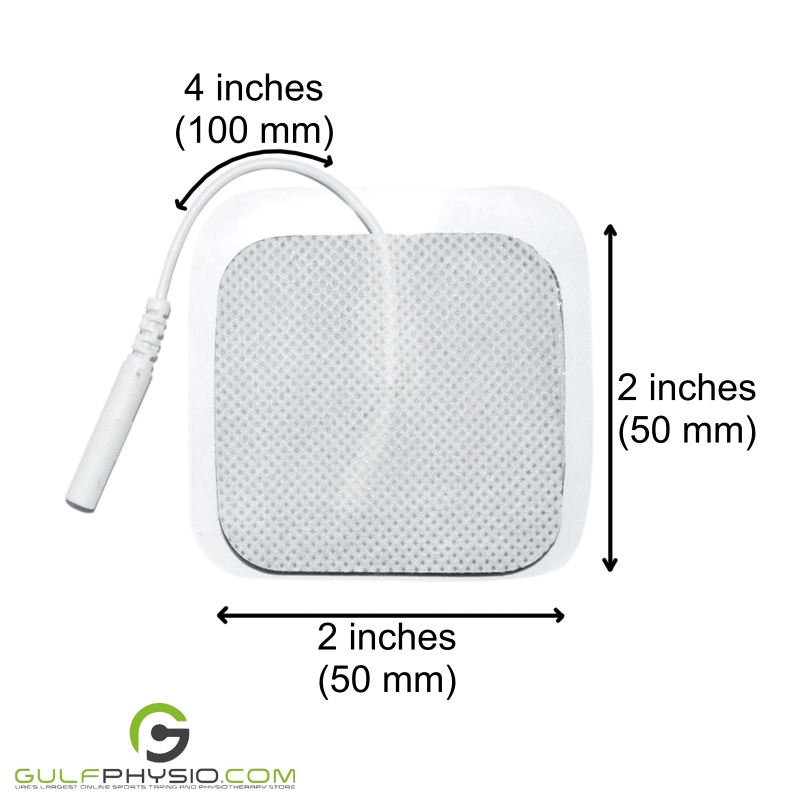
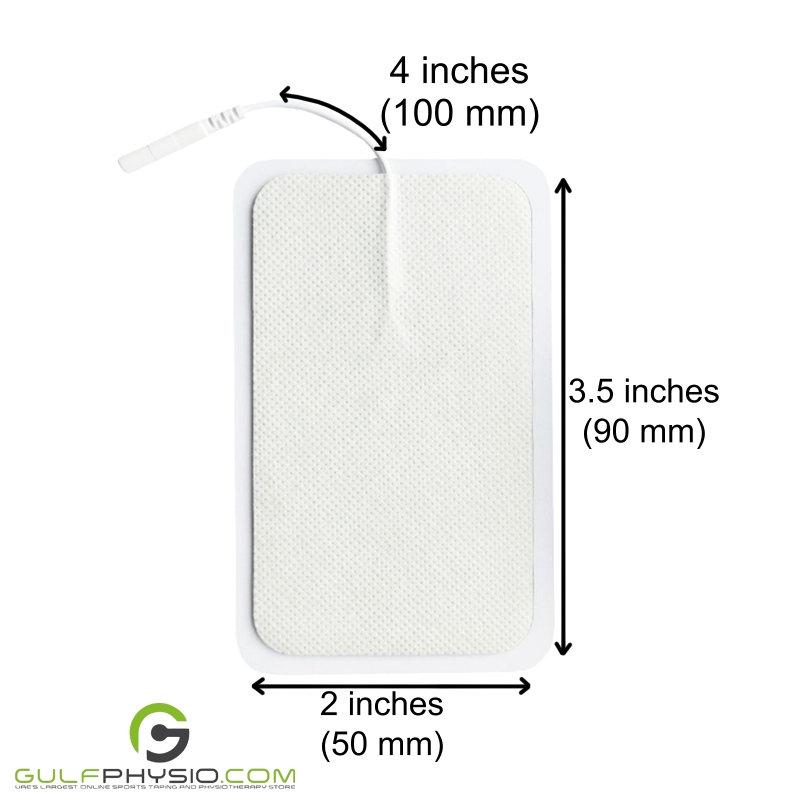
Electrode quality also matters. Reliable pads improve current delivery, comfort, and consistency. If your clinic or patient uses electrotherapy frequently, it is worth choosing a device with easily available replacement accessories so treatment is not interrupted.
What Conditions does this product range solve
Electrotherapy and TENS products are commonly used to support treatment plans for lower back pain, neck tension, shoulder discomfort, knee pain, muscle weakness after injury, and general soft tissue rehabilitation. In physiotherapy settings, muscle stimulation may also be used to support activation where normal muscle recruitment has been reduced after surgery, immobilization, or acute injury.
These products may also be used as part of broader recovery strategies for sports injuries, overuse syndromes, joint pain, and muscle guarding. TENS is often selected when the priority is pain modulation, while EMS-style stimulation is more relevant when the goal is to encourage muscle contraction and support rehab progression. As with any modality, treatment selection should follow the user’s condition, stage of recovery, and clinical guidance where needed.
Compare product vs product
TENS vs EMS/NMES
TENS units are mainly chosen for pain relief and symptom management. They are typically used when the goal is to help reduce discomfort in areas such as the back, neck, shoulder, or knee. EMS or NMES devices are designed more for muscle stimulation and are commonly selected when rehab involves muscle activation, re-education, or contraction support.
Portable units vs clinic-grade electrotherapy devices
Portable units are compact, straightforward, and ideal for home use or mobile practitioners. They are best for targeted, routine sessions where convenience matters. Clinic-grade devices are often more durable and may offer advanced settings, broader program options, more channels, and greater flexibility for treating different patients and rehab goals.
Combination devices vs single-purpose devices
Combination units are useful when one device needs to cover both pain-relief and muscle-stimulation functions. They suit clinics and users managing multiple recovery phases. Single-purpose devices can be the better option when the treatment goal is very specific and simplicity is preferred.
Reusable electrode pads vs replacement-focused setups
Reusable electrode pads are practical and cost-effective for regular use, but they need proper care and timely replacement to maintain performance. High-usage clinics should pay attention to pad availability, adhesive quality, and compatibility with existing devices to keep treatment efficient and comfortable.
FAQs
What is the difference between TENS and EMS?
TENS is generally used for pain relief, while EMS is designed to stimulate muscle contraction. A TENS device is usually chosen for managing discomfort, whereas EMS is more relevant when muscle activation or re-education is part of rehabilitation.
Can electrotherapy devices be used at home?
Yes, many portable TENS and EMS devices are designed for home use. Home users should choose easy-to-operate units with clear settings, reliable pads, and guidance appropriate to their treatment plan.
Which product is best for a physiotherapy clinic?
Clinics usually benefit from more durable devices with flexible settings, multiple treatment programs, and easy access to replacement accessories. The right choice depends on whether the clinic mainly treats pain, muscle inhibition, sports injuries, or a broad range of rehab cases.
Do I need replacement electrode pads?
Yes. Electrode pads gradually lose adhesion and performance with repeated use. Keeping replacement pads and compatible accessories available helps maintain treatment quality and user comfort.
Are electrotherapy devices only for pain relief?
No. Some devices are intended mainly for pain modulation, while others are used for muscle stimulation and rehabilitation support. That is why it is important to match the device type to the treatment goal.
What should I consider before buying?
Focus on your intended use, the type of stimulation required, number of channels, portability, available settings, and accessory compatibility. Professional users may also want stronger programmability and clinic-grade durability.
Are there situations where electrotherapy is not suitable?
Electrotherapy is not appropriate for every user or every condition. Product use should follow the manufacturer guidance and, where relevant, professional clinical advice, especially in more sensitive or medically restricted situations.