
Incontinence Supplies - Adult Diapers & Underpads
Showing all 3 results
Jump to: Who It's For | How to Choose | Conditions | Compare | FAQs
Browse incontinence supplies including adult diapers, disposable briefs, pull-up pants, and absorbent underpads designed for leakage control, skin protection, odor management, and patient comfort in homecare, elderly care, hospitals, and rehabilitation settings.

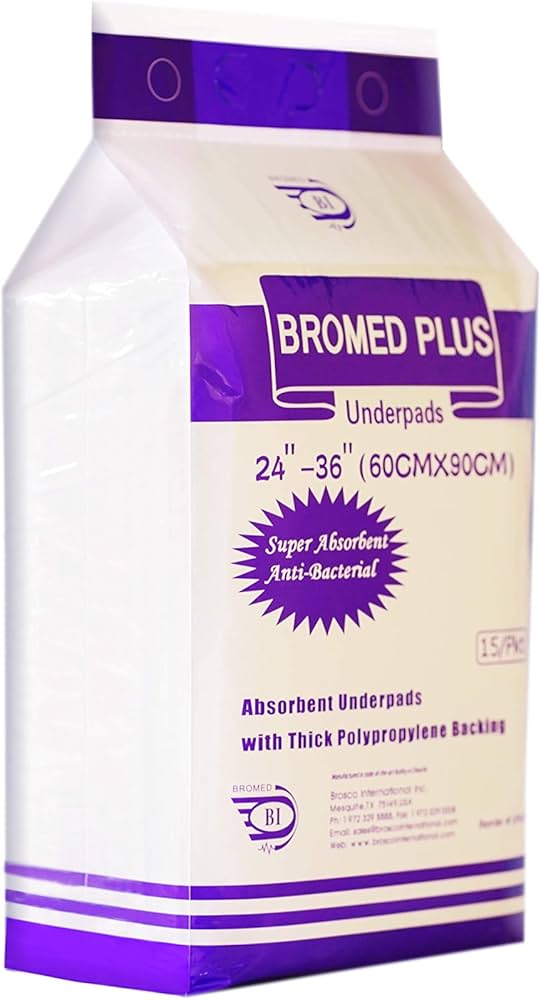

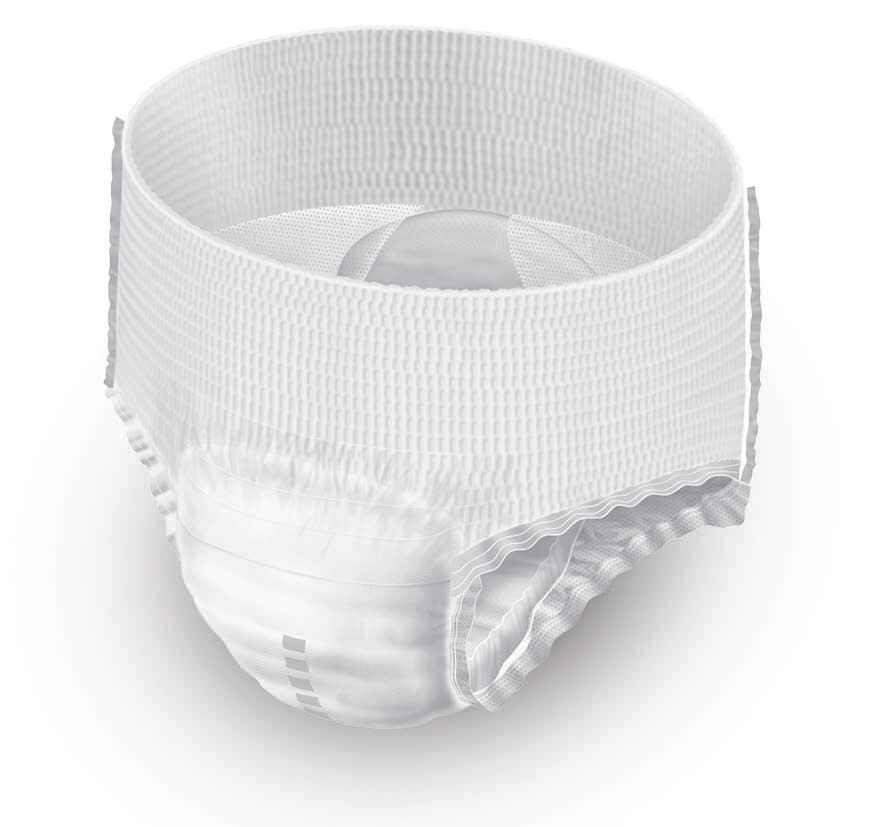

Incontinence supplies are designed to manage urine leakage, protect skin integrity, maintain hygiene, and support patient dignity in daily care. This category includes adult diapers, disposable briefs, pull-up pants, and absorbent underpads used in homecare, hospitals, clinics, long-term care facilities, and rehabilitation settings. Whether the goal is daytime confidence, overnight absorbency, bed protection, wheelchair use, or caregiver convenience, the right continence product helps reduce moisture exposure, control odor, protect mattresses and seating surfaces, and improve comfort for users with limited mobility, post-operative needs, age-related bladder control issues, or ongoing urinary incontinence.
Adult diapers and underpads are selected based on absorbency level, fit, ease of changing, skin sensitivity, mobility level, and frequency of leakage. Some users need discreet pull-up style protection for active daytime use, while others need tab-style briefs for higher absorbency and easier assisted changes. Underpads complement wearable continence products by protecting beds, examination tables, chairs, and wheelchairs from breakthrough leakage. Together, these products support continence care routines focused on cleanliness, skin protection, odor control, patient comfort, and caregiver efficiency.
Who It's For
Incontinence supplies are used by adults who experience light, moderate, or heavy urinary leakage and by caregivers who need reliable products for assisted continence care. These products are commonly used by elderly adults, bedridden patients, people with reduced mobility, post-surgical patients, individuals in rehabilitation, residents in long-term care, and adults living with bladder control issues caused by age, pregnancy history, neurological conditions, prostate-related concerns, or recovery from illness.
This category is also relevant for homecare providers, hospitals, clinics, nursing homes, palliative care teams, and family caregivers who need products that make daily care safer, cleaner, and more manageable. Pull-up style pants usually suit more independent users, while tab-style adult diapers are often preferred when assisted changing, overnight use, or heavier absorbency is required. Underpads are useful for anyone protecting bedding, seating, treatment couches, wheelchairs, or mattresses from leakage.
How to Choose
Choosing the right incontinence product starts with understanding the user’s level of leakage, mobility, and care environment. For light to moderate leakage in active adults, pull-up pants may offer better discretion and easier self-management. For moderate to heavy leakage, especially where assisted changing is needed, tab-style adult diapers or briefs are usually more practical. Overnight use typically requires higher absorbency and better leg cuff protection to reduce leakage while lying down.
Fit is equally important. A product that is too loose may leak, while one that is too tight can affect comfort, cause skin marking, and reduce wear tolerance. Breathable materials help manage heat and moisture around the skin, while soft inner layers improve comfort for extended wear. Odor control, wetness distribution, re-fastenable tabs, elastic waist features, and absorbent core design all affect performance. Underpads should be chosen based on absorbency, surface softness, backing strength, and intended use, such as beds, chairs, wheelchairs, or examination surfaces.
When choosing between products, consider these practical questions: Is the user mobile or bedridden? Is the product for day use, overnight use, or both? Will changes be self-managed or caregiver-assisted? Is mattress or chair protection also needed? Is skin sensitivity a concern? A well-matched continence product setup often includes both wearable protection and absorbent underpads for layered leakage management.
What Conditions does this product range solve
Incontinence supplies help manage the practical effects of urinary incontinence by containing leakage, reducing moisture exposure, protecting skin, and preventing contamination of clothing, beds, chairs, and treatment surfaces. These products are commonly used in cases of urge incontinence, stress incontinence, overflow incontinence, functional incontinence, post-operative bladder weakness, age-related continence decline, mobility-related toileting difficulty, and temporary incontinence during recovery or illness.
Adult diapers and absorbent briefs help reduce the impact of leakage episodes during daily movement, rest, travel, and sleep. Underpads help solve surface protection problems by absorbing breakthrough leakage and shielding mattresses, wheelchairs, recliners, treatment tables, and bedding. In practice, this product range supports hygiene control, reduces linen changes, lowers caregiver workload, helps maintain patient dignity, and contributes to skin protection strategies by limiting prolonged contact with urine and moisture.
These products do not treat the underlying medical cause of incontinence, but they do solve the daily care challenges associated with bladder leakage, surface contamination, nighttime accidents, odor concerns, and continence management in home and clinical settings.
Compare product vs product
Adult diapers with tabs vs pull-up pants: Tab-style diapers are generally better for users who need higher absorbency, overnight protection, or caregiver-assisted changes. Pull-up pants are usually better for more mobile users who want a more underwear-like fit and easier independent wear.
Daytime absorbency vs overnight absorbency: Daytime products are often chosen for discretion and ease of movement, while overnight products prioritize higher fluid retention, longer wear time, and better leak control in lying positions.
Disposable underpads vs wearable protection: Wearable products manage leakage at the body, while underpads protect external surfaces such as beds and chairs. Underpads are usually used as a secondary protective layer rather than a complete replacement for adult diapers or pull-ups.
Breathable backsheet vs standard backsheet: Breathable materials may improve comfort and reduce heat buildup during longer wear, especially for sensitive skin or prolonged use. Standard-backed products may still be suitable where cost control or short-duration use is the main priority.
Heavy absorbency vs moderate absorbency: Heavy absorbency products are suited for overnight care, limited mobility, and frequent leakage. Moderate absorbency may be enough for daytime use, light-to-moderate leakage, or more frequent scheduled changes.
FAQs
What is the difference between adult diapers and underpads?
Adult diapers or briefs are worn on the body to absorb urine leakage, while underpads are placed on beds, chairs, or other surfaces to protect them from moisture and staining. Many care setups use both together.
Who should use pull-up pants instead of tab-style adult diapers?
Pull-up pants are usually more suitable for adults who are mobile, more independent, and prefer a discreet, underwear-like option. Tab-style diapers are often better for users who need assistance with changing or need higher absorbency.
Are underpads only for beds?
No. Underpads can be used on beds, wheelchairs, recliners, sofas, treatment couches, car seats, and examination tables wherever surface protection from leakage is needed.
How do I choose the right absorbency level?
Start with the frequency and volume of leakage, whether the product is for day or night use, and whether the person is active or bedridden. Heavier leakage and overnight use usually require higher absorbency and better leak guards.
Can incontinence products help protect sensitive skin?
Yes. The right product helps reduce prolonged exposure to moisture, which supports skin protection. Breathable materials, good fit, timely changes, and pairing with proper hygiene routines all help reduce skin stress.
Why are underpads important even when using adult diapers?
Underpads provide extra protection against breakthrough leakage, especially overnight or during long periods in bed or seated positions. They also reduce mattress and chair contamination and make cleanup easier for caregivers.
Are these products suitable for homecare and professional care settings?
Yes. Adult diapers and underpads are widely used in homecare, hospitals, clinics, rehabilitation centers, nursing homes, and long-term care facilities.