
Shoulder & Clavicle Braces, Slings & Supports
Showing all 5 results
Jump to: Who It's For | How to Choose | Conditions | Compare | FAQs
Shoulder and clavicle supports help stabilize the joint, reduce strain, improve positioning, and support recovery after injury, overuse, or postural stress. From clavicle braces and arm slings to shoulder immobilizers and posture supports, this range is designed for clinics, athletes, workplaces, and home recovery.
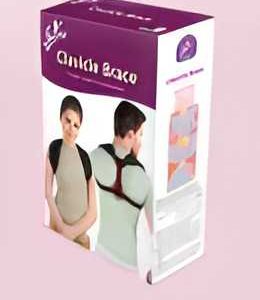

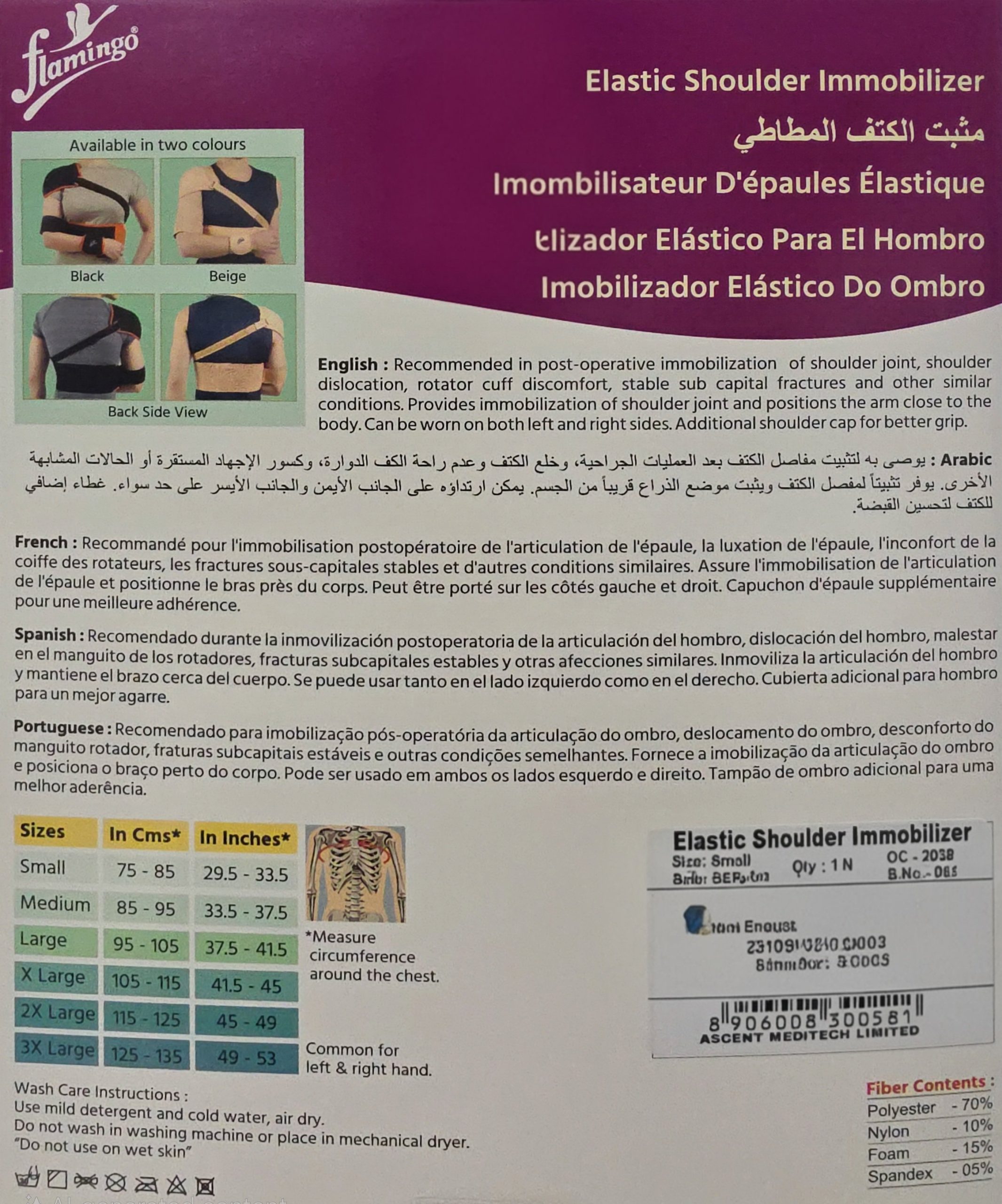


Shoulder and clavicle supports are used to stabilize the upper body, reduce strain, and support recovery after injury, overuse, or postural stress. This category includes shoulder braces, clavicle braces, arm slings, immobilizers, and posture supports designed for clinical use, sports recovery, workplace strain management, and home rehabilitation. Whether the goal is protection, positioning, compression, or immobilization, choosing the right support can improve comfort and help guide safer movement during recovery.
Who It's For
Shoulder and clavicle supports are suitable for physiotherapy clinics, orthopedic practices, sports teams, first aid environments, and individuals recovering at home. They are commonly used by people with shoulder strains, clavicle injuries, AC joint irritation, instability, postural rounding, or those who need controlled arm positioning after a flare-up or procedure. This range also suits athletes returning from training-related shoulder stress and workers whose daily tasks place repeated load on the upper body.
How to Choose
Start by identifying whether the goal is compression, posture correction, or immobilization. A shoulder brace is generally better for mild support, compression, and controlled activity. A clavicle brace is better when the priority is shoulder retraction and clavicle positioning. An arm sling or shoulder immobilizer is more suitable when movement needs to be restricted. Also consider fit, sizing, adjustability, breathability, left/right compatibility, and whether the product will be worn during short-term recovery or extended daily use. For clinic and sports settings, choose supports that are easy to apply, adjust, and tolerate over longer periods.
What Conditions does this product range solve
This category helps address a range of upper-body support needs including shoulder strains, rotator cuff irritation, clavicle discomfort, AC joint sprains, mild instability, postural rounding, and recovery phases where positioning or reduced movement is required. Depending on the design, these products can help reduce shoulder loading, support arm positioning, encourage improved posture, and provide external support during return-to-activity phases. They are commonly used where comfort, joint protection, or movement control is needed rather than high-level rigid casting.
Compare product vs product
Shoulder Brace vs Shoulder Immobilizer: A shoulder brace is better for support, compression, and light stabilization during movement. A shoulder immobilizer is better when the arm and shoulder need more restricted motion.
Clavicle Brace vs Posture Support: A clavicle brace focuses more directly on shoulder retraction and collarbone positioning, while a posture support is typically aimed at broader upper-back and shoulder alignment.
Arm Sling vs Shoulder Brace: An arm sling supports the arm and helps unload the shoulder, while a shoulder brace is usually chosen when some activity and localized support are still needed.
Elastic Support vs Structured Support: Elastic supports are usually more comfortable for mild strain, everyday wear, and compression. Structured supports are more suitable when higher stability and movement control are needed.
FAQs
What is the difference between a shoulder brace and a sling?
A shoulder brace usually provides compression and support while allowing some controlled movement. A sling supports the arm and reduces load through the shoulder by limiting how much the arm moves.
When should I choose a clavicle brace?
A clavicle brace is usually chosen when the goal is to improve shoulder positioning, encourage retraction, or support the collarbone and upper shoulder area during recovery.
Are these supports suitable for sports injuries?
Yes, many are used for shoulder strains, overuse issues, instability, and return-to-play support. The right choice depends on whether compression, stabilization, or immobilization is needed.
Can posture supports help with rounded shoulders?
Yes, posture supports can help encourage better upper-body alignment and reduce the habit of rounded shoulder positioning, especially during desk work or prolonged sitting.
How do I know which size to buy?
Check the product sizing guide and measure according to the manufacturer’s instructions, usually around the chest, shoulder, or upper arm depending on the design.
Are these supports for clinic use or home use?
Both. This category includes products suited to physiotherapy clinics, sports settings, first aid applications, and home recovery depending on the level of support required.