
Elbow, Arm & Forearm Supports
Showing all 11 results
Jump to: Who It's For | How to Choose | Conditions | Compare | FAQs
Shop elbow, arm and forearm supports designed for compression, stabilization and recovery. Browse elbow braces, tennis elbow straps, compression sleeves, forearm supports and arm slings for sports injuries, overuse pain, tendon irritation and post-injury protection.
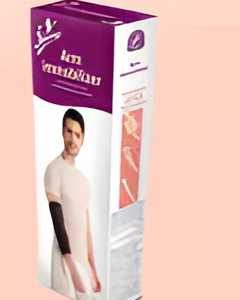


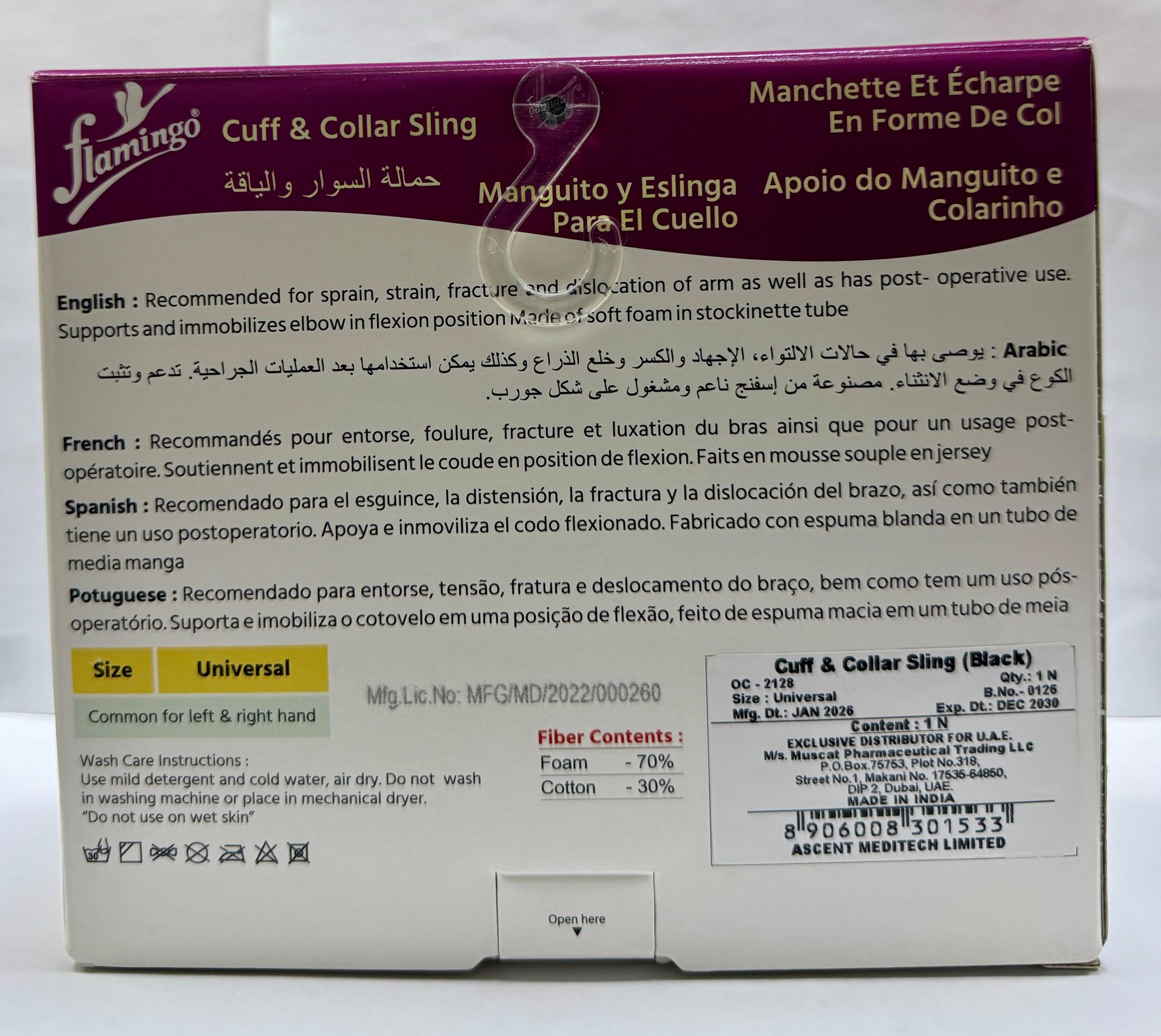


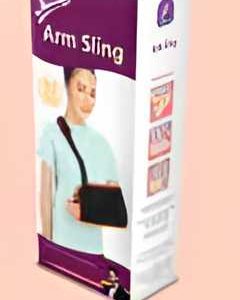


Elbow, arm and forearm supports are used to reduce strain, improve stability, provide compression and support recovery after injury, overuse or repetitive movement. This product range includes elbow braces, compression sleeves, tennis elbow straps, forearm supports and arm slings for users who need anything from light day-to-day support to more structured protection during rehabilitation. Whether the goal is to manage tendon irritation, reduce discomfort during activity or protect the arm during recovery, choosing the right support depends on the type of pain, the level of movement required and how much stabilization is needed.
Who It's For
Elbow and arm supports are useful for athletes, racquet sport players, gym users, manual workers, office workers, rehabilitation patients and anyone dealing with repetitive strain or post-injury weakness. They are commonly used by people managing tennis elbow, golfer’s elbow, forearm strain, mild instability, soft tissue irritation, swelling or recovery after a fall or procedure. Some users need light compression to stay active, while others need firmer bracing or temporary immobilization to protect the area during healing.
How to Choose
Choose the product based on the level of support and the structure required. Compression sleeves are best when the goal is light support, warmth and swelling control while keeping full movement. Counterforce straps are often chosen for tennis elbow and golfer’s elbow because they help reduce load on irritated tendons during activity. Structured elbow braces provide more support when there is joint weakness or a need to limit strain. Hinged braces are suitable when greater control is required, while arm slings are more appropriate when the arm needs to be rested and protected after injury. Also consider fit, material, breathability, adjustability and whether the support will be worn during work, sport or recovery at home.
What Conditions does this product range solve
This category helps support users dealing with tennis elbow, golfer’s elbow, repetitive strain, tendon overload, mild elbow instability, forearm muscle strain, swelling, soft tissue irritation and general overuse discomfort. It may also be relevant for post-injury recovery where temporary protection or unloading of the elbow and arm is needed. Compression-based products help with mild symptoms and day-to-day management, while more structured braces and slings help when greater stabilization or offloading is required.
Compare product vs product
Elbow Sleeve vs Tennis Elbow Strap
An elbow sleeve provides broad compression, warmth and light support around the joint. A tennis elbow strap targets tendon load more directly and is better suited for users with pain linked to gripping, lifting or repetitive forearm movement.
Compression Support vs Structured Elbow Brace
Compression supports are better for mild discomfort, swelling control and staying mobile during daily activity. Structured braces are more suitable when extra reinforcement is needed because of weakness, instability or a more demanding return to movement.
Counterforce Brace vs Hinged Elbow Brace
A counterforce brace is typically used for tendon-related pain such as tennis elbow or golfer’s elbow. A hinged elbow brace offers a higher level of support and control when the joint needs more protection or guided movement.
Elbow Brace vs Arm Sling
An elbow brace supports movement while helping stabilize the area. An arm sling is designed to reduce movement and unload the arm, making it more suitable for short-term recovery after acute injury or when rest is the priority.
FAQs
What is the best support for tennis elbow?
A counterforce strap or tennis elbow brace is often the first option for tennis elbow because it helps reduce stress on the affected tendon during gripping and lifting.
When should I choose an elbow sleeve instead of a brace?
An elbow sleeve is better for mild pain, swelling, warmth and general support. A brace is better when you need firmer stabilization or more targeted support.
Can I wear an elbow support during sport?
Yes, many users wear sleeves, straps and braces during sport or training to help manage strain and support the area during movement. The best option depends on the activity and the level of support required.
Do arm supports stop movement completely?
Not always. Compression sleeves and straps allow movement, while structured braces guide and support the joint. Slings and immobilization supports reduce movement more significantly.
Which support is best for golfer’s elbow?
A counterforce strap or targeted elbow support is commonly used for golfer’s elbow because it helps reduce stress on the inner elbow tendons during activity.
How tight should an elbow or arm support be?
The support should feel secure and supportive without causing numbness, pinching or restricted circulation. A proper fit is important for both comfort and effectiveness.
Can I use an elbow support for work-related strain?
Yes. Many people use elbow and forearm supports for repetitive lifting, gripping, typing or tool use where strain builds up over time.
What is the difference between support and immobilization?
Support helps reduce strain while allowing some level of movement. Immobilization is used when the area needs rest and protection with much less movement.