
Treatment Tables, Therapy Beds & Tilt Tables
Showing all 2 results
Jump to: Who It's For | How to Choose | Conditions | Compare | FAQs
Browse treatment tables, therapy beds and tilt tables for physiotherapy, rehabilitation and clinical care. This range is designed for safe patient positioning, hands-on treatment, assessments and progressive rehab in clinics, hospitals and sports medicine settings.
-

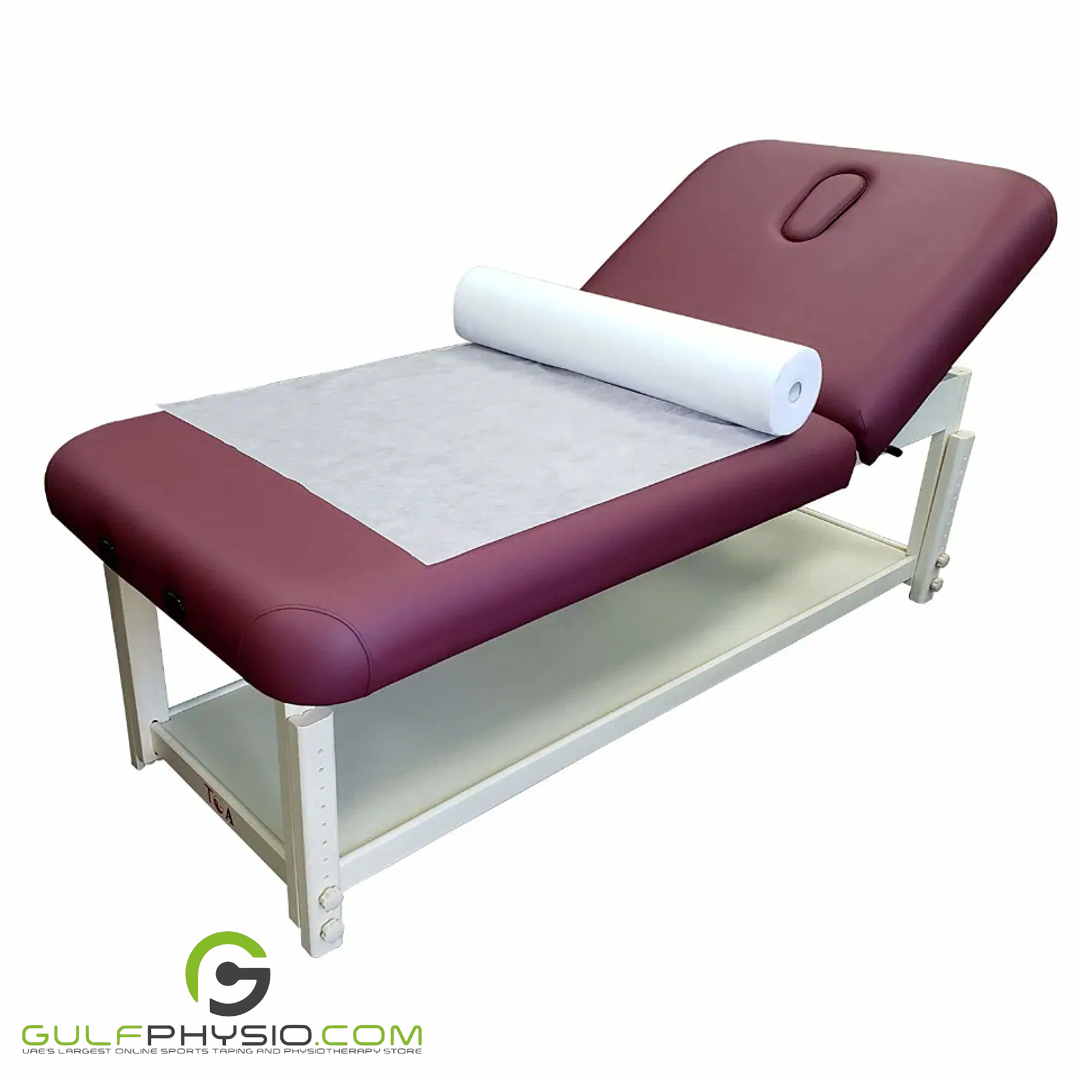
-
Sale!


Treatment tables, therapy beds and tilt tables are core pieces of equipment in physiotherapy clinics, rehabilitation departments, sports medicine centers and medical facilities. They support assessment, manual therapy, exercise preparation, neurological rehabilitation and safe patient positioning. Whether you need a simple fixed treatment couch, a height-adjustable therapy bed or a tilt table for progressive standing and rehabilitation, choosing the right equipment improves workflow, practitioner ergonomics and patient safety.
Who It's For
This range is designed for physiotherapists, sports medicine practitioners, rehabilitation specialists, osteopaths, chiropractors, hospitals, outpatient clinics and long-term care facilities. Treatment tables and therapy beds are used for examinations, soft tissue work, mobilization, stretching, exercise preparation and patient transfers. Tilt tables are especially useful in neurological rehabilitation, early mobilization programs and settings where graded upright positioning is part of the care plan.
How to Choose
Start by matching the table or bed to the type of patients you treat and the way your clinic works. For high patient volume and varied case types, electric or hydraulic height-adjustable tables help improve therapist comfort and reduce repeated lifting strain. Fixed treatment tables can work well in lower-demand or budget-conscious rooms. Tilt tables are best suited to neuro rehab, postural tolerance training and progressive standing programs.
Also consider load capacity, width, height range, upholstery quality, ease of cleaning, caster mobility, stability and the number of sections. Clinics that perform a lot of hands-on treatment often prefer multi-section tables for better positioning. Facilities treating elderly, neurological or bariatric patients should prioritize safe transfer height, structural stability and patient restraint or support options where appropriate.
What Conditions does this product range solve
Treatment tables, beds and tilt tables do not directly treat a condition on their own, but they support safer and more effective care across a wide range of clinical presentations. They are commonly used in the management of musculoskeletal pain, sports injuries, post-operative rehabilitation, neurological conditions, mobility limitations, balance deficits, deconditioning and orthopaedic recovery. Tilt tables are particularly relevant in rehab programs involving stroke recovery, spinal cord injury support, postural hypotension management and graded standing tolerance.
Compare product vs product
Fixed Treatment Tables vs Height-Adjustable Tables: Fixed tables are simple and cost-effective, but height-adjustable tables offer better ergonomics and more flexibility across different therapists and patient needs.
Electric vs Hydraulic Tables: Electric tables allow easier, smoother height changes with minimal effort, while hydraulic tables can be reliable and practical where power access or budget is a concern.
Standard Therapy Beds vs Tilt Tables: Standard beds are ideal for treatment, positioning and assessment, while tilt tables are built specifically for progressive upright positioning, neuro rehab and supported standing work.
2-Section vs Multi-Section Tables: Two-section designs suit many general therapy needs, while multi-section tables offer more control over patient positioning for specialized treatment or assessment.
FAQs
What is the difference between a treatment table and a tilt table?
A treatment table is mainly used for examination, manual therapy and patient positioning, while a tilt table is designed to move a patient gradually from lying to upright for supported standing and rehabilitation.
Who typically uses tilt tables?
Tilt tables are commonly used in neurological rehabilitation, hospital rehab departments and facilities working with patients who need graded standing tolerance or postural retraining.
Are electric treatment tables worth it for busy clinics?
Yes. In high-volume settings, electric height adjustment can improve therapist ergonomics, reduce strain and make patient transfers more efficient.
What should I look for when buying a therapy bed?
Check height range, weight capacity, upholstery durability, stability, ease of cleaning, table width, adjustment type and whether the design suits your patient population and treatment methods.
Are these tables suitable for sports medicine clinics?
Yes. Treatment tables and therapy beds are widely used in sports physiotherapy for assessment, taping, soft tissue work, exercise preparation and recovery support.
Do I need a multi-section table?
If your treatments require more varied positioning, postural support or clinician access, a multi-section table can be more versatile than a basic flat design.