
Surgical Instruments and Procedure Supplies
Showing the single result
Jump to: Who It's For | How to Choose | Conditions | Compare | FAQs
Shop surgical instruments and procedure supplies for clinics, hospitals, treatment rooms, and licensed medical professionals. Explore scalpels, forceps, scissors, drapes, skin prep, suction and drainage products, and instrument-care essentials for safe, efficient procedural workflows.
-
Sale!

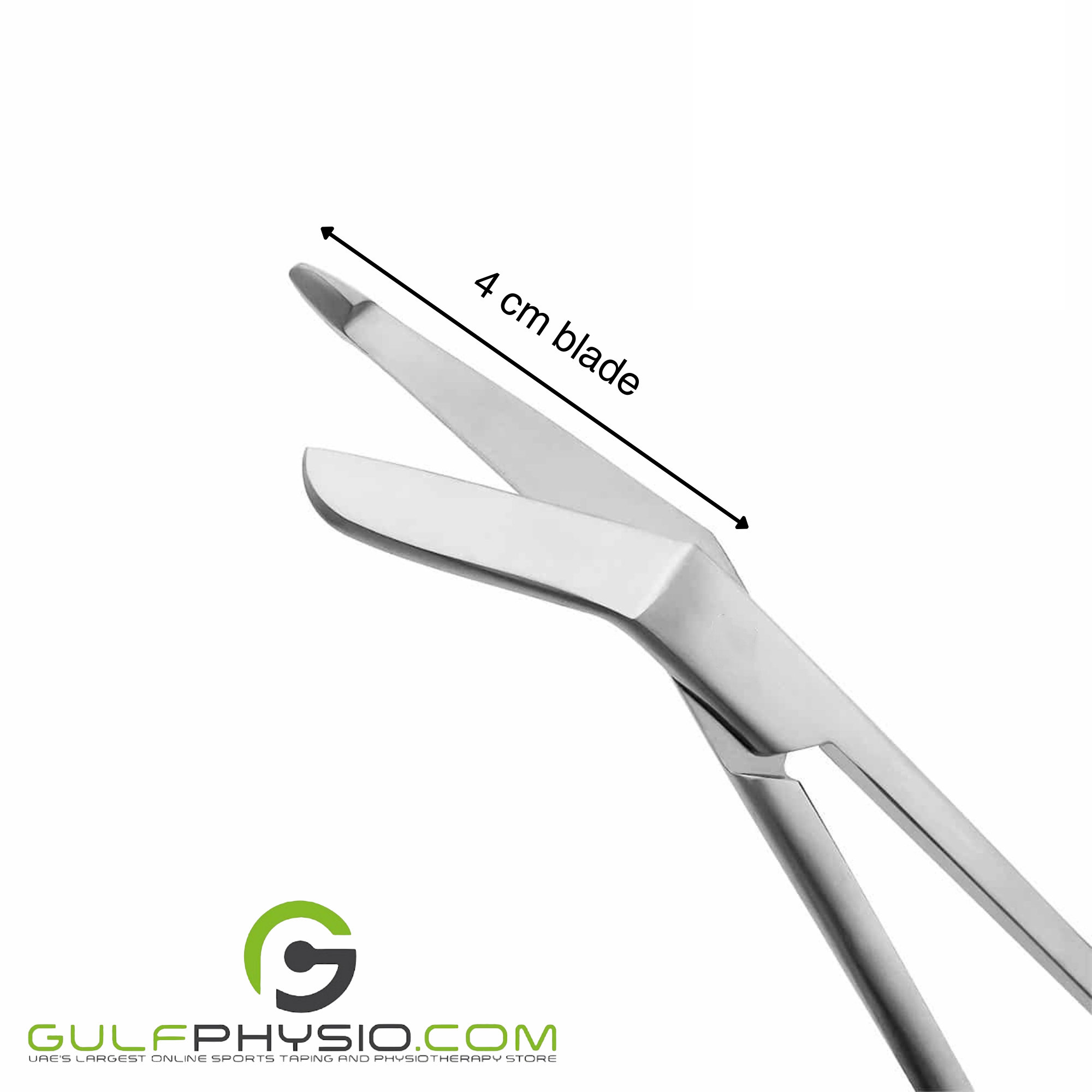

Surgical instruments and procedure supplies are essential for safe, efficient clinical workflows across hospitals, medical centers, outpatient departments, dermatology clinics, first aid rooms, rehabilitation settings, and specialist treatment environments. This category brings together core surgical instruments such as scalpels, forceps, scissors, and neurological instruments, alongside drapes, skin prep products, suction and drainage items, minor procedure essentials, and instrument care products used to support treatment readiness and infection control.
Whether you are setting up for a minor procedure, maintaining a sterile field, preparing skin before treatment, managing drainage, or restocking reusable instrument care items, the right product selection helps improve handling, reduce delays, and support safer patient care. By grouping surgical instruments with procedure-room essentials, this range helps clinics and healthcare teams source the tools and consumables needed for complete procedural workflows rather than isolated single items.
Who It's For
This category is designed for licensed healthcare professionals, hospitals, outpatient centers, clinics, occupational health teams, sports medicine facilities, dermatology practices, and other treatment environments that need dependable surgical instruments and procedure supplies. It is especially relevant for clinicians and procurement teams involved in wound care support, minor procedures, sterile setup, dressing application, fluid management, and instrument handling.
It is also useful for treatment-room managers and purchasing teams who need to keep a consistent supply of scalpels, forceps, scissors, drapes, skin prep items, suction products, drainage supplies, and instrument maintenance essentials. In busy clinical settings, having the right range of procedural products available supports smoother workflows, better treatment-room organization, and stronger infection-control standards.
How to Choose
Start by choosing products based on the role they play in the procedure workflow: cutting, grasping, dissection, skin preparation, draping, suction, drainage, closure support, or instrument maintenance. Instruments such as scalpels, forceps, and scissors should be selected according to handling preference, procedure type, and whether precision, control, or repeated daily use is the main priority.
For procedure supplies, consider whether the item supports sterile setup, skin antisepsis, fluid control, or post-procedure management. Surgical drapes and skin prep products should fit the treatment setting and infection-control requirements, while suction and drainage items should match the expected procedural need and clinical environment. Instrument cleaners and lubricants should be selected with long-term instrument care, cleaning protocols, and operational efficiency in mind.
It also helps to separate buying decisions by workflow stage: preparation, procedure, support, and maintenance. This makes it easier to build a category structure that reflects how products are actually used in real treatment rooms, which in turn improves usability for staff, procurement teams, and repeat buyers.
What Conditions does this product range solve
This product range supports the management of clinical situations that require surgical handling, minor intervention, skin preparation, sterile coverage, cutting, grasping, drainage, and treatment-room readiness. It is commonly used in workflows related to lacerations, wound care support, dressing changes, minor procedural treatment, dermatological procedures, post-treatment management, and clinical setups where safe handling and infection control matter.
Rather than solving one single condition, these products help solve operational and treatment-related problems such as poor procedural readiness, missing sterile setup items, inefficient instrument handling, inadequate skin preparation, weak fluid management support, and inconsistent instrument care. In practical terms, they help clinicians work more safely and efficiently by making sure the right tools and consumables are available when needed.
Compare product vs product
Scalpels vs scissors: Scalpels are generally chosen for precise cutting and controlled incisions, while scissors are more suitable for trimming, dissecting, cutting dressings, or handling tissues and materials during procedures. The right choice depends on the level of precision, control, and workflow stage.
Forceps vs scissors: Forceps are used to grasp, hold, position, or stabilize tissues and materials, while scissors are used to cut. In many clinical settings, these products work together rather than replacing one another, with each serving a distinct role in the procedural sequence.
Surgical drapes vs surgical skin prep: Skin prep products are used before the procedure to prepare the treatment area and support infection control, while drapes are used to isolate the procedural field and maintain a cleaner working environment during treatment.
Suction vs drainage: Suction products are typically used for active removal of fluids or debris during treatment, while drainage products are more often used to manage ongoing fluid output or post-procedure fluid control depending on the setting and clinical need.
Reusable instruments vs instrument care products: Reusable instruments such as forceps and scissors are chosen for long-term procedural use, while cleaners and lubricants are essential for maintaining performance, extending lifespan, and supporting proper maintenance protocols.
General procedure items vs specialty instruments: General procedure supplies support routine treatment-room needs across a wide range of settings, while specialty items such as neurological instruments are selected for more specific applications that require targeted design and greater procedural precision.
FAQs
What products are included in surgical instruments and procedure supplies?
This category can include scalpels, forceps, scissors, neurological instruments, drapes, skin prep products, suction and drainage supplies, minor procedural items, specialty labels, and instrument cleaners and lubricants.
Who uses these products?
These products are commonly used by hospitals, clinics, outpatient centers, licensed medical professionals, treatment-room teams, occupational health units, and specialist care settings that perform minor procedures or require sterile clinical workflows.
Why group instruments and procedure supplies together?
Because many buyers source products by workflow rather than by item type alone. Grouping instruments with drapes, prep products, suction items, and maintenance essentials helps support full procedural readiness.
How do I choose between different instruments?
Choose based on the function required during the procedure, such as cutting, grasping, trimming, stabilizing, or performing more specialized clinical handling. The procedure type and level of precision needed should guide selection.
Why are instrument cleaners and lubricants important?
They help maintain reusable instruments, support smoother performance, protect long-term value, and improve consistency in facilities that rely on regular instrument reprocessing and maintenance.
Are suction and drainage products the same thing?
Not always. Suction products are often used for active fluid removal during treatment, while drainage products are more commonly used for controlled fluid management during or after a procedure depending on the application.
What makes this category useful for procurement teams?
It combines key treatment-room needs into one commercial category, making it easier to source core instruments, sterile setup items, procedure consumables, and maintenance products in a more organized way.