
Therapeutic Ultrasound Machines & Ultrasound Gel
Showing all 3 results
Jump to: Who It's For | How to Choose | Conditions | Compare | FAQs
Shop therapeutic ultrasound machines and ultrasound gel for physiotherapy, rehabilitation, sports medicine, and clinic use. Browse portable and clinical ultrasound devices, conductive gels, and treatment essentials designed to support soft tissue therapy, pain management, and day-to-day treatment efficiency.

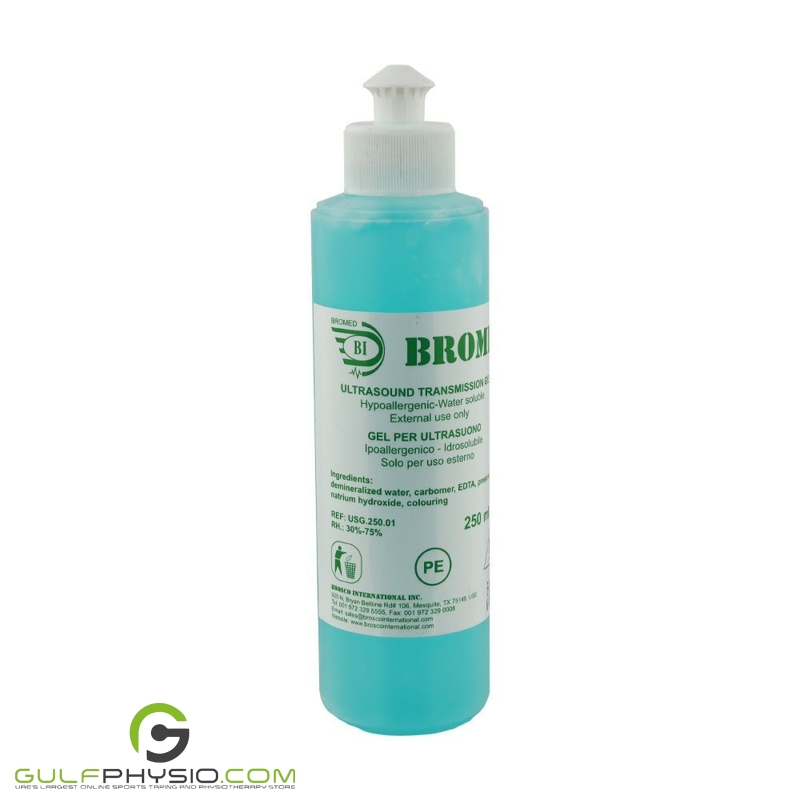

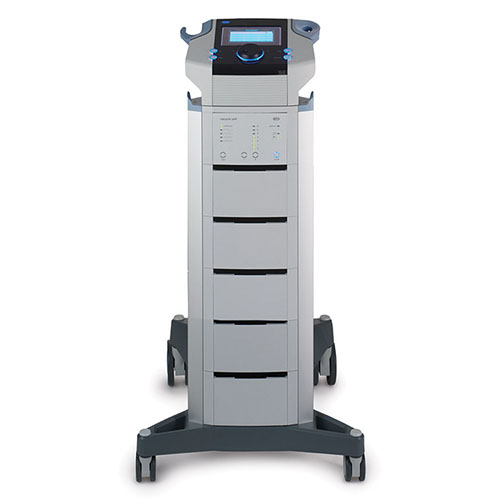

Shop therapeutic ultrasound machines and ultrasound gel for physiotherapy, sports medicine, rehabilitation, and clinical practice. This category brings together portable and clinic-use ultrasound devices, conductive gels, and treatment essentials used to support soft tissue therapy, pain management, and day-to-day treatment efficiency.
Whether you are equipping a physiotherapy clinic, replacing ultrasound gel for regular use, or comparing treatment devices by frequency, portability, and output settings, this range is built for professional rehab environments that need dependable performance and practical buying options.
Who It's For
Therapeutic ultrasound products are commonly used by physiotherapists, chiropractors, sports therapists, osteopaths, rehabilitation professionals, and clinical teams managing musculoskeletal conditions. They are also relevant for hospitals, sports clubs, home care providers, and clinics that need reliable soft tissue treatment tools.
This category is especially useful for practices treating tendon irritation, muscle tightness, joint stiffness, post-injury recovery, and general soft tissue dysfunction. If your workflow involves regular manual therapy, exercise rehabilitation, or modality-based pain management, ultrasound machines and gel are often part of the treatment setup.
How to Choose
When choosing a therapeutic ultrasound machine, start with the setting where it will be used. A compact portable unit may suit mobile therapists, smaller clinics, or lower treatment volume, while a more advanced clinical unit may be better for busy rehab environments that require more settings, treatment flexibility, and long-term durability.
Frequency is one of the main decision points. In general, 1 MHz is selected for deeper tissues, while 3 MHz is often used for more superficial structures. You should also compare whether the machine offers pulsed and continuous modes, adjustable intensity, easy-to-clean controls, and a sound head size that matches the areas you typically treat.
For ultrasound gel, look at consistency, skin tolerance, cleanup, and packaging size. A good gel should provide effective acoustic coupling, spread easily, wipe off cleanly, and work well in repeated daily treatments. Clinics with high patient volume may prefer larger refill containers, while smaller practices may want more manageable bottle sizes for convenience.
What Conditions does this product range solve
Therapeutic ultrasound is commonly used as part of a broader rehabilitation plan for soft tissue and musculoskeletal presentations. Depending on the treatment goal and clinician preference, it may be used in cases involving tendon overload, muscle spasm, localized stiffness, post-exercise soreness, ligament irritation, scar tissue management, and selected chronic overuse presentations.
In practice, these products are often considered for conditions affecting the shoulder, elbow, wrist, knee, ankle, plantar structures, and lower back, especially where soft tissue quality, movement tolerance, and pain modulation are part of the rehab objective. Ultrasound gel plays a critical role here by helping transmit the sound waves efficiently from the treatment head to the skin.
For clinics, the category solves both a treatment need and a workflow need: access to dependable ultrasound devices plus the conductive gel required to use them consistently and efficiently throughout the day.
Compare product vs product
Portable ultrasound machine vs clinical ultrasound unit:
Portable units are easier to move, store, and use in smaller spaces. Clinical units may offer more treatment options, better durability for high-volume use, and controls that suit multi-practitioner environments.
1 MHz vs 3 MHz ultrasound:
1 MHz is generally chosen for deeper tissue targets, while 3 MHz is more often used for superficial tissues. The right option depends on the anatomical area being treated and the clinician’s preferred treatment approach.
Pulsed vs continuous ultrasound:
Pulsed ultrasound is often selected where non-thermal treatment goals are preferred, while continuous ultrasound is more commonly associated with thermal effects. The choice depends on tissue presentation, treatment objective, and professional protocol.
Standard ultrasound gel vs bulk gel refill:
Standard bottles may be more practical for lighter usage or individual treatment rooms. Bulk refill sizes are usually better for busy clinics that need better cost efficiency and fewer interruptions during the workday.
Thin gel vs thicker gel consistency:
A thinner gel may spread more quickly, while a thicker gel may stay in place better on certain treatment areas. Cleanup, skin feel, and practitioner preference all matter when comparing formulations.
FAQs
What is ultrasound gel used for?
Ultrasound gel is used as a coupling medium between the treatment head and the skin. It helps improve contact and supports more efficient transmission during therapeutic ultrasound treatment.
Who typically buys therapeutic ultrasound machines?
Common buyers include physiotherapy clinics, sports medicine practices, chiropractors, rehabilitation centers, hospitals, and other professionals treating musculoskeletal conditions.
What is the difference between 1 MHz and 3 MHz ultrasound?
These settings are generally used for different treatment depths. 1 MHz is usually chosen for deeper structures, while 3 MHz is more commonly used for more superficial tissues.
Why is conductive gel important during ultrasound therapy?
Without gel, the treatment head does not couple effectively with the skin. Conductive gel helps reduce air gaps and supports smoother, more consistent application.
Should I buy a portable or clinic-grade ultrasound machine?
That depends on your treatment volume, space, and workflow. Portable models suit smaller or mobile practices, while clinic-grade systems are often better for high-frequency use and broader treatment flexibility.
What should I look for in ultrasound gel?
Look for good spreadability, easy cleanup, skin compatibility, reliable coupling, and a pack size that fits your clinic’s treatment volume.
Can this category be useful for sports injury clinics?
Yes. Sports medicine and rehab clinics often use therapeutic ultrasound and gel as part of broader treatment plans for soft tissue and overuse-related presentations.