
Foot & Ankle Rehabilitation Exercisers
Showing all 3 results
Jump to: Who It's For | How to Choose | Conditions | Compare | FAQs
Shop foot and ankle rehabilitation exercisers designed to support mobility, strengthening, range-of-motion work, and recovery after injury, surgery, or inactivity. Find tools for dorsiflexion, plantar flexion, inversion, eversion, toe control, and everyday ankle rehab at home or in clinic.

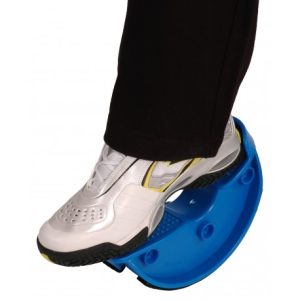

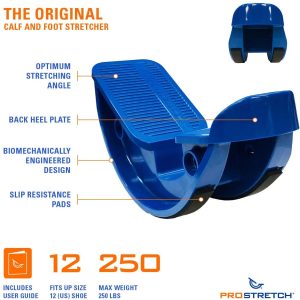

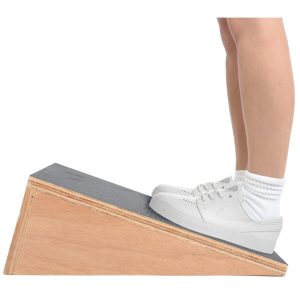
Foot and ankle rehabilitation exercisers are used to restore movement, rebuild strength, and improve control after injury, surgery, immobilization, or long periods of reduced activity. This category includes tools designed to support ankle mobility, foot strengthening, toe activation, and controlled rehab progressions for home users, physiotherapy clinics, sports medicine settings, and post-operative recovery programs.
Whether the goal is improving dorsiflexion, rebuilding ankle stability after a sprain, restoring calf-foot coordination, or supporting recovery from plantar fascia and Achilles-related issues, the right exerciser helps make rehab more structured, measurable, and repeatable.
Who It's For
Foot and ankle rehabilitation exercisers are suitable for a wide range of users who need to improve mobility, strength, or function in the lower limb. They are commonly used by physiotherapists, podiatrists, sports therapists, orthopaedic rehab teams, and patients continuing treatment at home.
- Patients recovering from ankle sprains, strains, or ligament injuries
- People dealing with stiffness after immobilization, casting, or surgery
- Users with weak ankles, poor foot control, or reduced balance confidence
- Individuals managing plantar fasciitis, Achilles irritation, or foot fatigue
- Athletes returning to sport after lower limb injury
- Seniors working on ankle mobility, foot activation, and safer walking mechanics
- Clinicians building structured rehab programs for foot and ankle recovery
How to Choose
Choosing the right foot and ankle exerciser depends on the stage of recovery, the movement limitation being targeted, and whether the goal is mobility, strengthening, coordination, or endurance. Some products are better suited to early-stage gentle movement, while others are more appropriate for progressive loading and return-to-function training.
- Choose by rehab goal: mobility tools are best for stiffness and range-of-motion work, while resistance-based tools are better for strengthening and muscle re-education.
- Choose by movement pattern: if you need dorsiflexion, plantar flexion, inversion, or eversion work, select a product that matches the motion being trained.
- Choose by resistance level: lighter resistance is often better for early rehab; progressive resistance is better for later strengthening phases.
- Choose by user setting: home users may want compact, easy-to-store options, while clinics may prefer more durable rehab tools for repeated daily use.
- Choose by foot involvement: some products focus mainly on ankle movement, while others target foot muscles, toe control, and intrinsic strengthening.
- Choose by recovery stage: early rehab often requires controlled low-load exercise, while later rehab may involve endurance, stability, and return-to-activity training.
What Conditions does this product range solve
Foot and ankle rehabilitation exercisers are used to support recovery, conditioning, and function in a wide variety of lower limb conditions. While they are not a substitute for diagnosis or treatment planning, they are frequently used as part of a structured rehabilitation program.
- Ankle sprains and post-ligament injury weakness
- Reduced ankle range of motion after casting or immobilization
- Post-operative foot and ankle rehabilitation
- Plantar fasciitis-related foot weakness and mobility restriction
- Achilles tendon irritation, calf-foot coordination issues, and stiffness
- General foot weakness and poor toe control
- Balance deficits linked to reduced ankle control
- Walking discomfort associated with reduced foot mobility or strength
- Lower limb deconditioning after inactivity or injury
These products are especially useful when the rehab plan involves restoring normal foot and ankle mechanics in a gradual, repeatable way.
Compare product vs product
Different foot and ankle exercisers solve different rehab problems. Comparing them by function helps users choose the right tool for their stage of recovery.
Mobility-focused exercisers vs resistance-based exercisers
Mobility-focused tools are best for restoring joint movement and reducing stiffness. Resistance-based exercisers are better for rebuilding strength, muscle control, and endurance once movement has improved.
Ankle-specific exercisers vs full foot strengthening tools
Ankle-focused products usually target dorsiflexion, plantar flexion, inversion, and eversion. Foot-focused tools are more useful for arch control, toe activation, and intrinsic muscle strengthening.
Early-stage rehab tools vs progressive rehab tools
Early-stage rehab tools are designed for gentle, controlled exercise with low strain. Progressive rehab tools are more appropriate for users who need to rebuild load tolerance, coordination, and return-to-activity capacity.
Home-use rehab tools vs clinic-grade exercise tools
Home-use products are often simpler, lighter, and easier to store. Clinic-grade tools may offer better durability, repeated-use performance, and broader application across different patient needs.
FAQs
What are foot and ankle rehabilitation exercisers used for?
They are used to improve movement, strength, control, and function in the foot and ankle during rehabilitation, conditioning, or post-injury recovery.
Can these products help after an ankle sprain?
Yes. Many are used to restore range of motion, rebuild ankle strength, and improve stability after a sprain, especially as part of a guided rehab plan.
Are these suitable for plantar fasciitis?
Some products may help support foot mobility, foot muscle activation, and lower limb conditioning in users with plantar fasciitis, depending on the stage and symptoms.
What is the difference between foot strengthening and ankle strengthening tools?
Foot strengthening tools focus more on arch support muscles, toe control, and intrinsic foot function. Ankle strengthening tools focus more on joint movement and muscles controlling plantar flexion, dorsiflexion, inversion, and eversion.
Who typically buys these products?
Common buyers include physiotherapy clinics, sports medicine practices, podiatrists, rehabilitation centres, hospitals, and home users continuing rehab outside the clinic.
How do I know which exerciser is right for me?
The best choice depends on whether your main goal is mobility, strength, recovery after injury, or improving day-to-day foot and ankle function. Product selection should match the movement deficit and stage of recovery.