
Kinesiology Tape & Elastic Support Tape
Showing all 4 results
Jump to: Who It's For | How to Choose | Conditions | Compare | FAQs
Shop kinesiology tape for muscle support, joint stability, movement guidance, and sports recovery. Ideal for physiotherapy clinics, athletes, trainers, and active individuals looking for flexible tape that moves with the body.
-

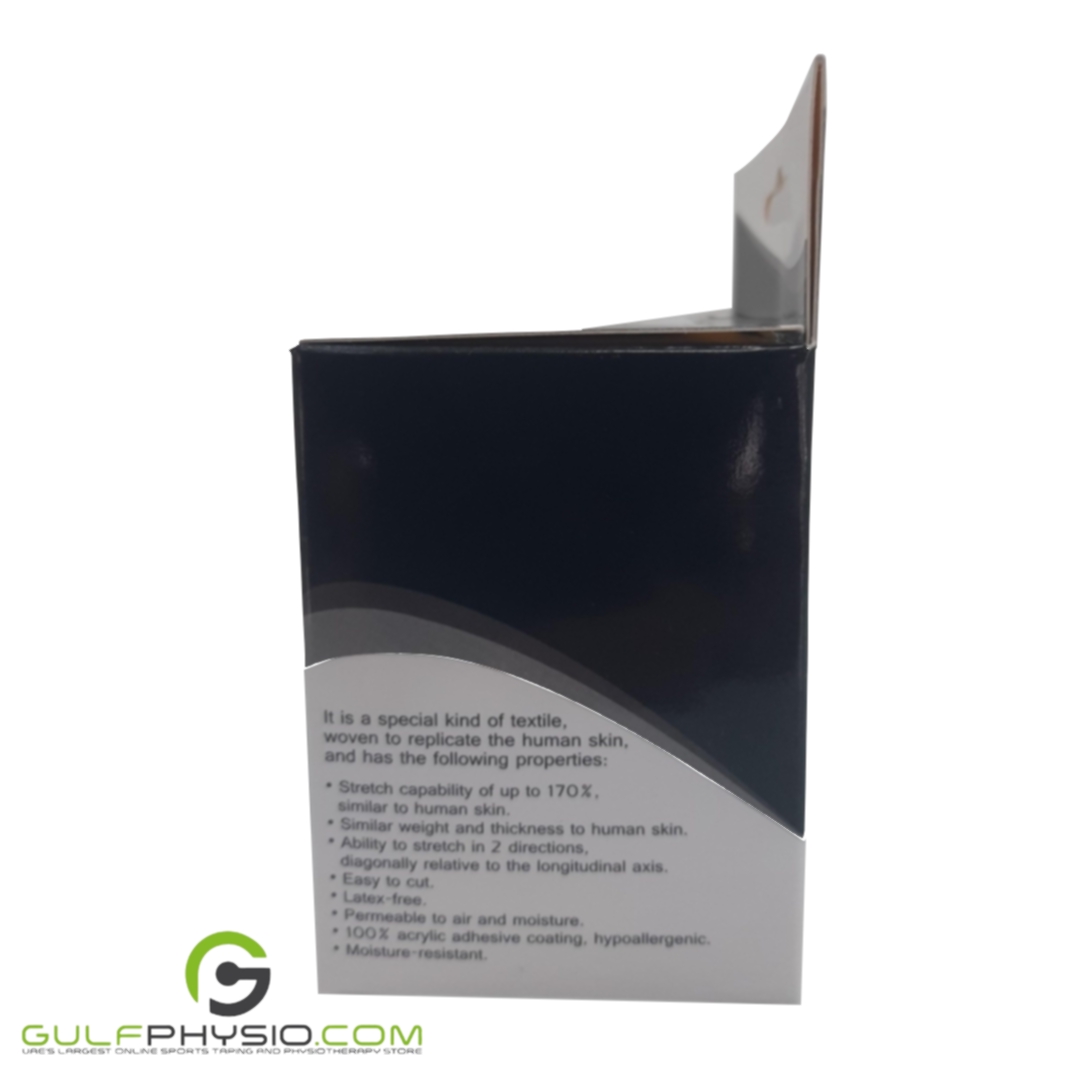
-
Sale!
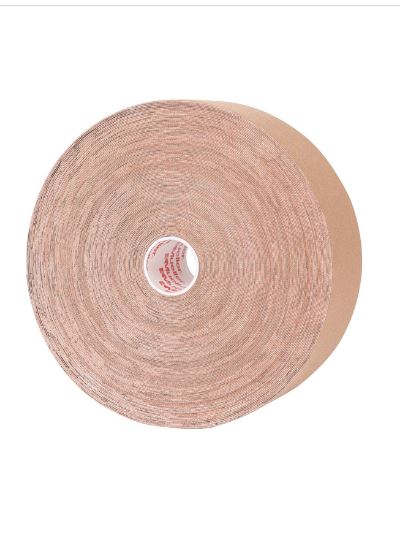
-
Sale!
-


Kinesiology tape is designed to provide flexible support while allowing natural movement. It is widely used in physiotherapy, sports medicine, fitness, and rehabilitation settings to support muscles, guide movement patterns, reduce strain during activity, and complement recovery programs. Unlike rigid athletic tape, kinesiology tape stretches with the skin and soft tissue, making it a popular choice for ongoing use during training, work, and day-to-day activity.
Who It's For
Kinesiology tape is suitable for physiotherapists, sports therapists, chiropractors, athletic trainers, fitness professionals, and active individuals who need movement-friendly support. It is commonly used by runners, gym users, football players, tennis players, CrossFit athletes, and patients working through rehabilitation plans. It can also be used by people who need light support for posture, muscle fatigue, or joint awareness without the restriction of rigid strapping.
In clinics, kinesiology tape is often used as part of a wider treatment plan that may include exercise therapy, manual therapy, strengthening, mobility work, and education around load management. In sport, it is often chosen when the goal is to stay mobile while still adding a layer of support.
How to Choose
Choosing the right kinesiology tape starts with the intended use, the body area being taped, and the skin sensitivity of the user. For general clinic and sports use, standard elastic kinesiology tape in common widths works well for shoulders, knees, backs, and arms. Narrower formats may suit smaller joints or more precise application areas, while wider options can be useful for larger muscle groups.
Look at the tape's stretch profile, adhesive strength, breathability, and wear duration. If the tape will be used during high-sweat sport, longer wear applications, or humid conditions, stronger adhesive performance may matter more. If the user has sensitive skin or requires repeated taping, skin-friendlier adhesive options and gentler removal become more important.
Also consider whether you need single rolls for occasional use or clinic-friendly bulk quantities for frequent taping. Neutral and skin-tone options may be preferred in clinical or daily wear settings, while brighter colours are often popular in sports environments.
What Conditions does this product range solve
Kinesiology tape is commonly used to support muscle overload, movement dysfunction, postural strain, and mild joint irritation. It is often applied around the shoulder, knee, ankle, lower back, neck, calf, wrist, and elbow depending on the presentation and treatment goal.
Typical use cases include patellofemoral discomfort, tennis elbow, shin splint management support, rotator cuff-related shoulder symptoms, plantar fascia support strategies, calf tightness, postural cueing, ankle support, and general muscle fatigue during sport or work. It may also be used to complement rehabilitation after minor soft tissue injuries where continued movement is beneficial.
Kinesiology tape does not replace diagnosis, rehabilitation, or structured treatment, but it can be a useful adjunct when the aim is to support function, cue movement, and help the user stay active.
Compare product vs product
Kinesiology tape vs rigid athletic tape: Kinesiology tape stretches and allows movement, making it better for dynamic support and longer wear. Rigid athletic tape is better when the priority is restricting motion and creating firmer joint control during sport.
Kinesiology tape vs cohesive bandage: Kinesiology tape adheres to the skin for targeted support and movement cueing. Cohesive bandages stick to themselves rather than the skin and are better for compression, dressing retention, or quick wrap applications.
Kinesiology tape vs elastic adhesive bandage: Kinesiology tape is generally used for neuromuscular support and guided movement. Elastic adhesive bandages are more suited to compression, soft support, and broader wrapping techniques.
Pre-cut kinesiology tape vs roll format: Pre-cut options are quicker for non-clinical users and repeat applications. Roll format offers more flexibility for clinicians who want custom strip lengths and application patterns.
FAQs
What is kinesiology tape used for?
Kinesiology tape is used to provide flexible support for muscles and joints while allowing natural movement. It is commonly used in sports and rehabilitation settings.
Can kinesiology tape be worn during exercise?
Yes. It is specifically designed to move with the body, which makes it suitable for training, sport, and day-to-day activity.
How long can kinesiology tape stay on?
Wear time depends on the tape quality, skin type, activity level, and application method, but many users wear it for several days if applied correctly.
Is kinesiology tape the same as athletic tape?
No. Kinesiology tape is elastic and movement-friendly, while athletic tape is usually more rigid and used to limit motion.
Can kinesiology tape be used on the knee, shoulder, or ankle?
Yes. These are among the most common application areas, along with the back, calf, wrist, and elbow.
Who typically buys kinesiology tape?
Physiotherapy clinics, sports teams, athletic trainers, gyms, rehab centres, and active individuals are among the most common buyers.