
Wrist, Hand & Finger Braces & Supports
Showing 1–12 of 20 results
Jump to: Who It's For | How to Choose | Conditions | Compare | FAQs
Wrist, hand and finger supports help stabilize joints, reduce strain, and improve comfort during recovery, work, sport, and daily activity. From wrist braces and thumb splints to finger supports and compression solutions, this range is designed for injury management, repetitive strain, arthritis support, and post-procedural care.

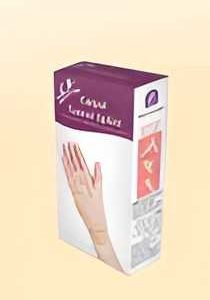
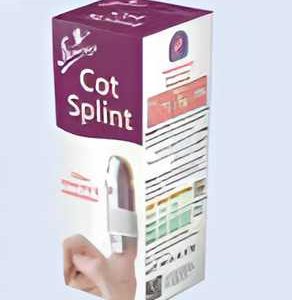
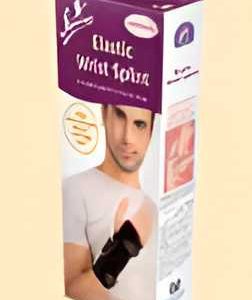


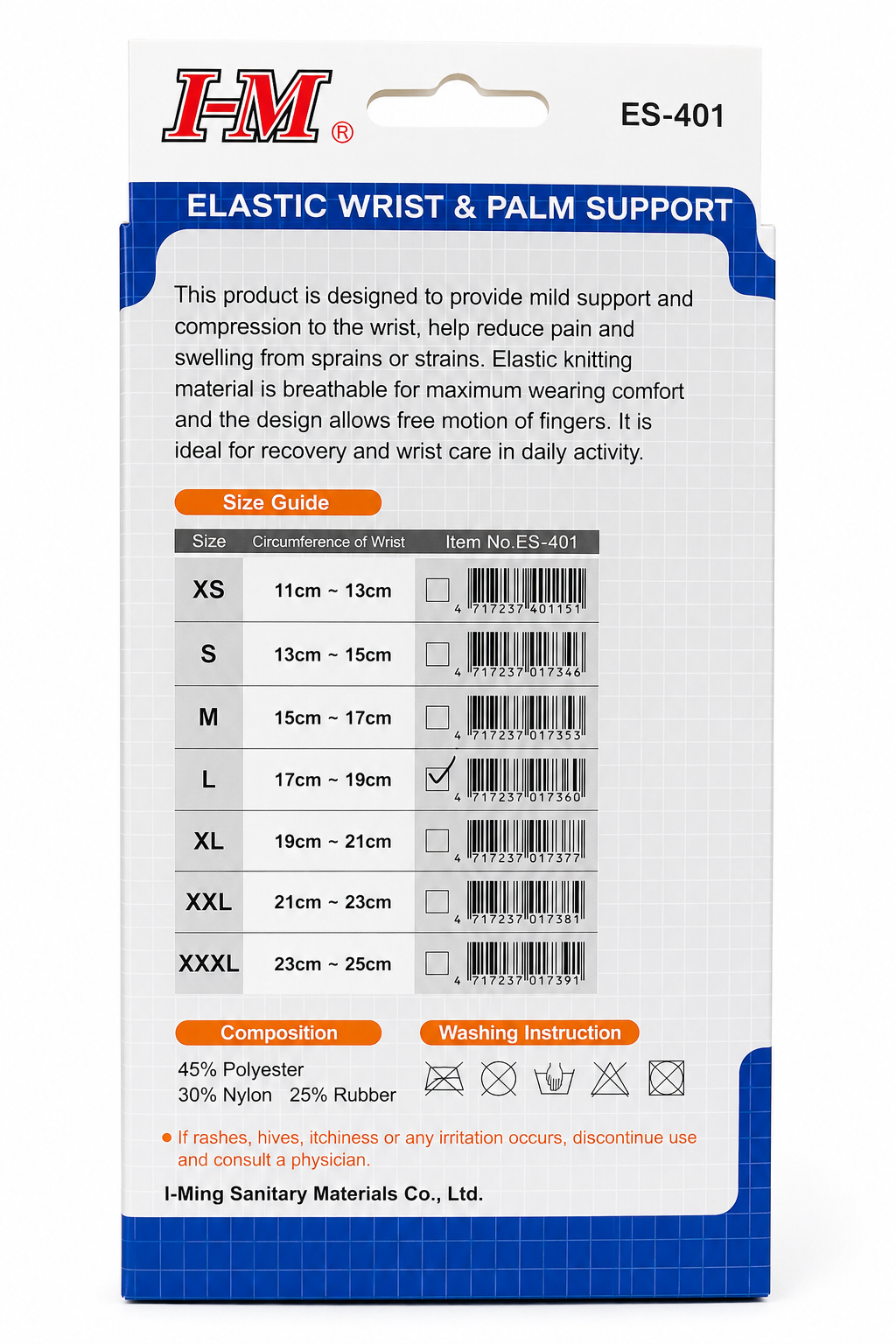

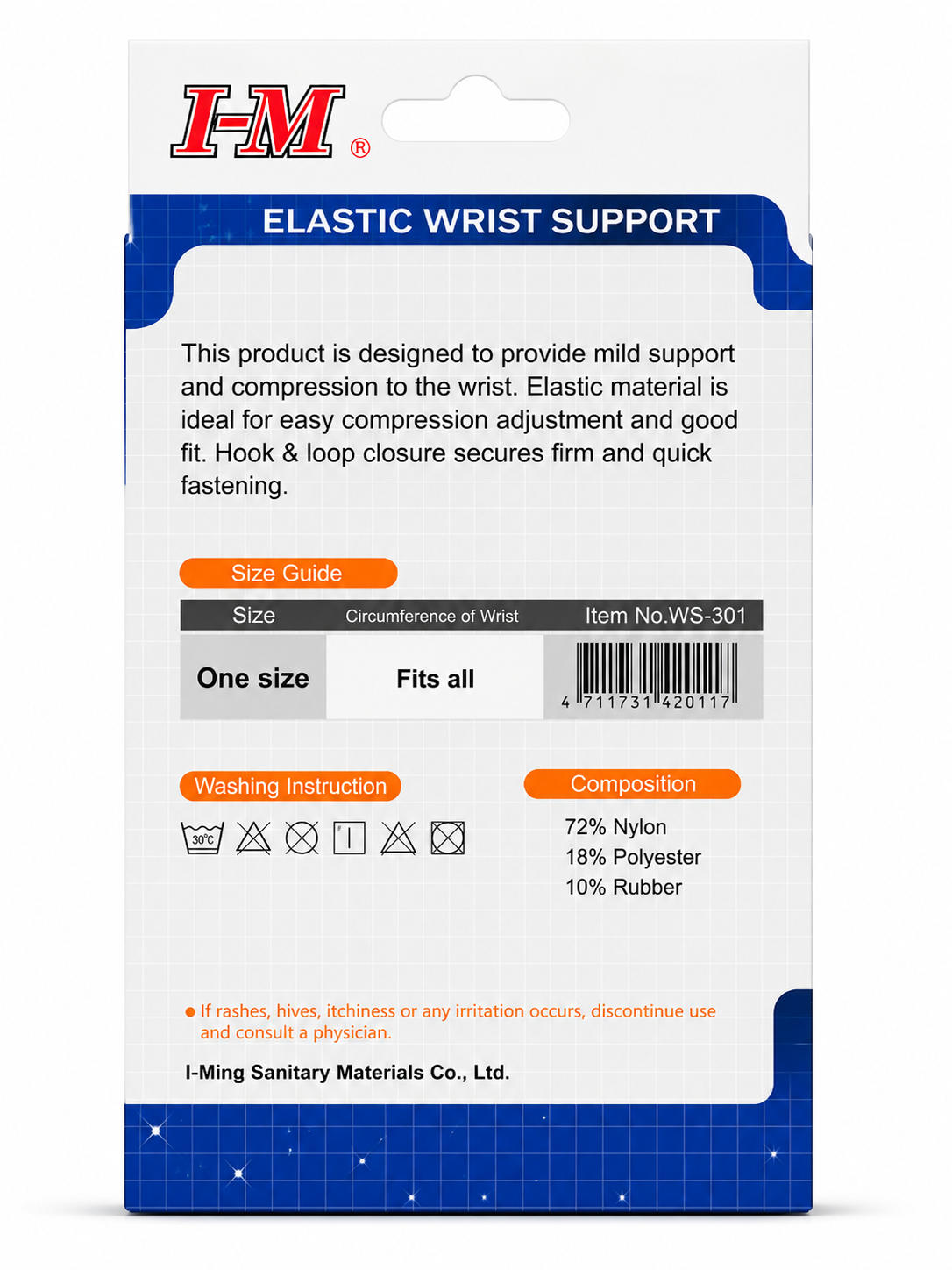

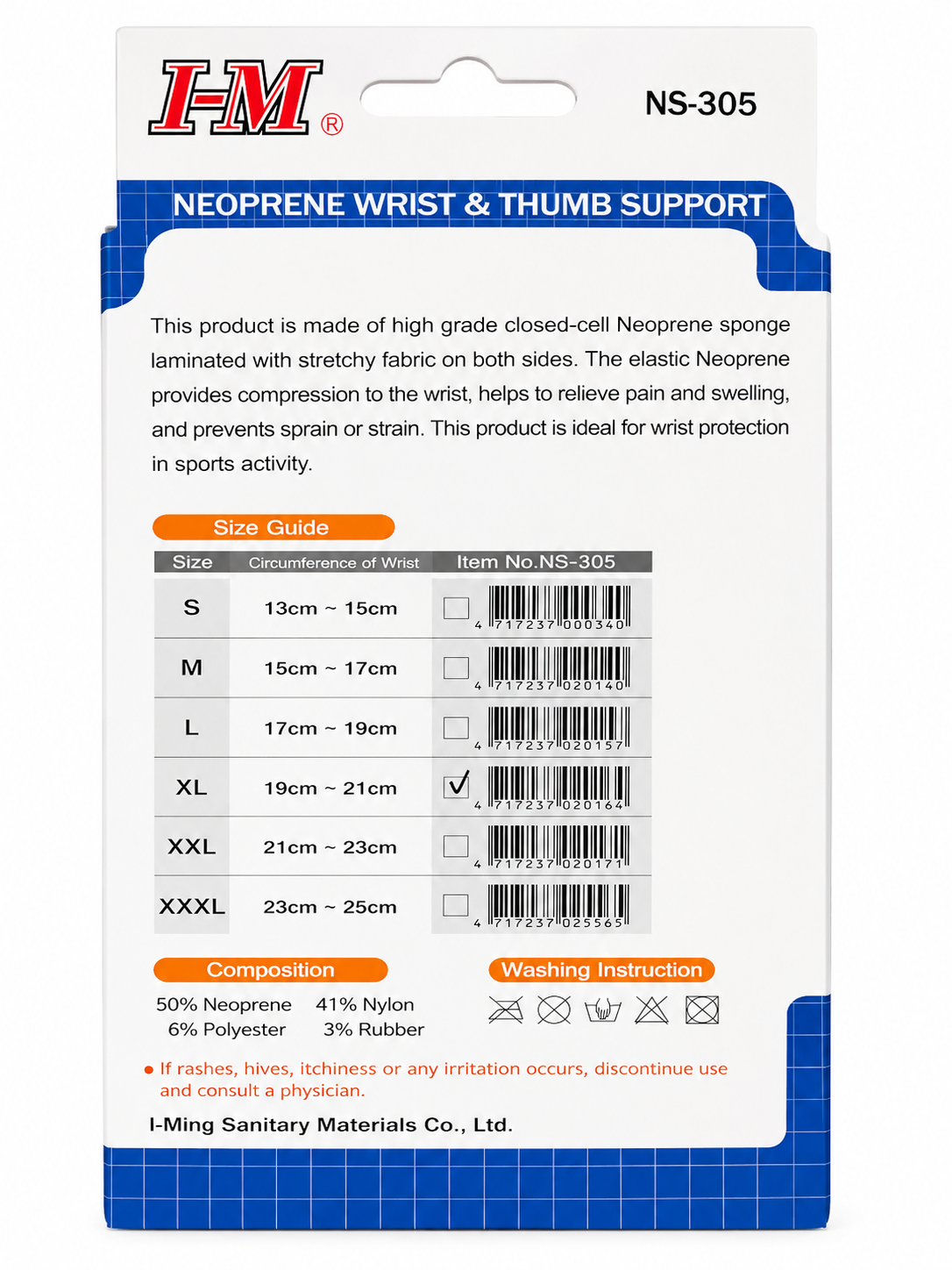


Wrist, hand and finger braces and supports are designed to reduce strain, improve joint stability, and support safer movement during recovery, work, sport, and daily activity. Whether you need a wrist stabilizer for repetitive strain, a thumb splint for overuse injuries, or a finger support for protection and alignment, this range helps match the right level of compression, support, or immobilization to the condition being managed.
On this page: Who It's For | How to Choose | What Conditions does this product range solve | Compare product vs product | FAQs
Who It's For
This category is suited to physiotherapy patients, athletes, office workers, manual laborers, and individuals managing hand or wrist pain during daily activity. It is also relevant for people recovering from sprains, tendon irritation, repetitive strain, mild instability, arthritis-related discomfort, thumb overuse, and finger injuries that require protection or controlled movement.
Clinics, sports medicine professionals, occupational therapists, orthopedic practitioners, and home users often choose wrist, hand, and finger supports when they need to reduce stress on small joints while allowing more confident movement. Depending on the product, these supports may be used during work, rehabilitation exercises, sport, sleep, or short-term recovery periods.
How to Choose
The best wrist, hand, or finger support depends on the area affected, the degree of stability required, and whether the goal is compression, protection, or immobilization. Softer supports are often used for mild strain, swelling, or day-to-day support, while structured braces and splints are more suitable when movement needs to be limited.
When choosing a product, consider:
- Injury location: wrist, thumb, palm, knuckle, or finger joint
- Support level: light compression, moderate stabilization, or firm immobilization
- Use case: work, typing, lifting, sleeping, sports, or post-injury recovery
- Design: wraparound brace, thumb spica, finger splint, glove-style support, or strap system
- Fit: left or right hand, universal or sized fit, low-profile or full-coverage design
- Material: breathable fabric, padded support zones, removable stays, or rigid inserts
If the goal is daily symptom control, a comfortable breathable support may be the best starting point. If the joint needs to be protected from further movement, a more structured brace or splint is usually the better choice.
What Conditions does this product range solve
Wrist, hand and finger supports are commonly used to help manage:
- Wrist sprains and mild instability by reducing excessive movement and supporting alignment
- Carpal tunnel-related irritation by helping keep the wrist in a more neutral position
- Tendonitis and overuse injuries from typing, lifting, racket sports, gym training, or repetitive work
- Thumb strain and De Quervain’s-type symptoms with thumb-focused stabilization
- Finger sprains, jammed fingers, and joint irritation using splints or protective supports
- Arthritis-related discomfort by adding compression, warmth, and gentle support
- Post-cast or post-procedural support where controlled support is needed during recovery
- Grip-related fatigue during return to function, rehabilitation, or repetitive tasks
These products are supportive tools and not a substitute for clinical diagnosis. The right choice depends on whether the aim is unloading painful tissue, protecting healing structures, or improving function during activity.
Compare product vs product
Wrist brace vs wrist support sleeve
A wrist brace usually provides more structure and may include stays or straps to limit motion. A wrist support sleeve is better for light compression, warmth, and mild day-to-day support where full immobilization is not needed.
Thumb splint vs standard wrist brace
A thumb splint is more suitable when the thumb joint or tendon pathway is the main issue. A standard wrist brace is better when symptoms are centered around the wrist without needing targeted thumb stabilization.
Finger splint vs buddy support
A finger splint is designed to restrict motion more directly and protect a specific finger joint. A softer finger support or buddy-style option may be used when lighter protection and guided movement are more appropriate.
Compression glove vs rigid hand support
Compression gloves are typically chosen for swelling, mild arthritis discomfort, and all-day comfort. Rigid or semi-rigid hand supports are more appropriate when greater stabilization is needed after injury or during more symptomatic flare-ups.
Day-use support vs night-use support
Low-profile braces are usually easier to wear during work or activity. More structured braces are often chosen for rest periods or overnight positioning when reducing unwanted movement is the priority.
FAQs
What is the best support for wrist pain?
That depends on the cause. Mild strain or fatigue may respond well to a compression support, while more persistent pain or instability often needs a structured wrist brace with firmer stabilization.
What is the difference between a wrist brace and a thumb splint?
A wrist brace mainly supports the wrist joint. A thumb splint is designed to stabilize the thumb as well, which is useful when the thumb joint or thumb tendons are involved.
Can I wear a wrist support while working or typing?
Yes, many low-profile wrist supports are made for desk work and light daily activity. The key is choosing a design that supports the joint without making hand function too restrictive.
When should I use a finger splint?
Finger splints are commonly used when a specific finger joint needs protection, alignment, or reduced movement after a sprain, jam, strain, or irritation. Fit and joint positioning are important.
Are compression gloves enough for hand arthritis?
For some users, yes. Compression gloves may help with warmth, mild swelling, and day-to-day comfort. If more support is needed, a structured hand or wrist brace may be the better option.
Should I choose a rigid or soft support?
Choose soft support for light compression and routine use. Choose a more rigid brace or splint when movement needs to be restricted or the joint feels unstable.
Can these supports be used for sports injuries?
Yes, many wrist, thumb, and finger supports are used during recovery from sports-related sprains, overuse injuries, and return-to-play phases. The correct product depends on the sport and the level of protection needed.
How do I know if I need left or right hand support?
Some braces are universal, while others are hand-specific. Always check product specifications for side, sizing, and intended fit before ordering.