
Crepe, Cohesive & Compression Bandages
Showing 25–27 of 27 results
Jump to: Who It's For | How to Choose | Conditions | Compare | FAQs
Shop crepe bandages, cohesive wraps, and elastic compression bandages for light support, swelling control, dressing retention, and joint wrapping. Ideal for clinics, sports first aid, rehabilitation, and general injury management across ankle, knee, wrist, elbow, and calf applications.


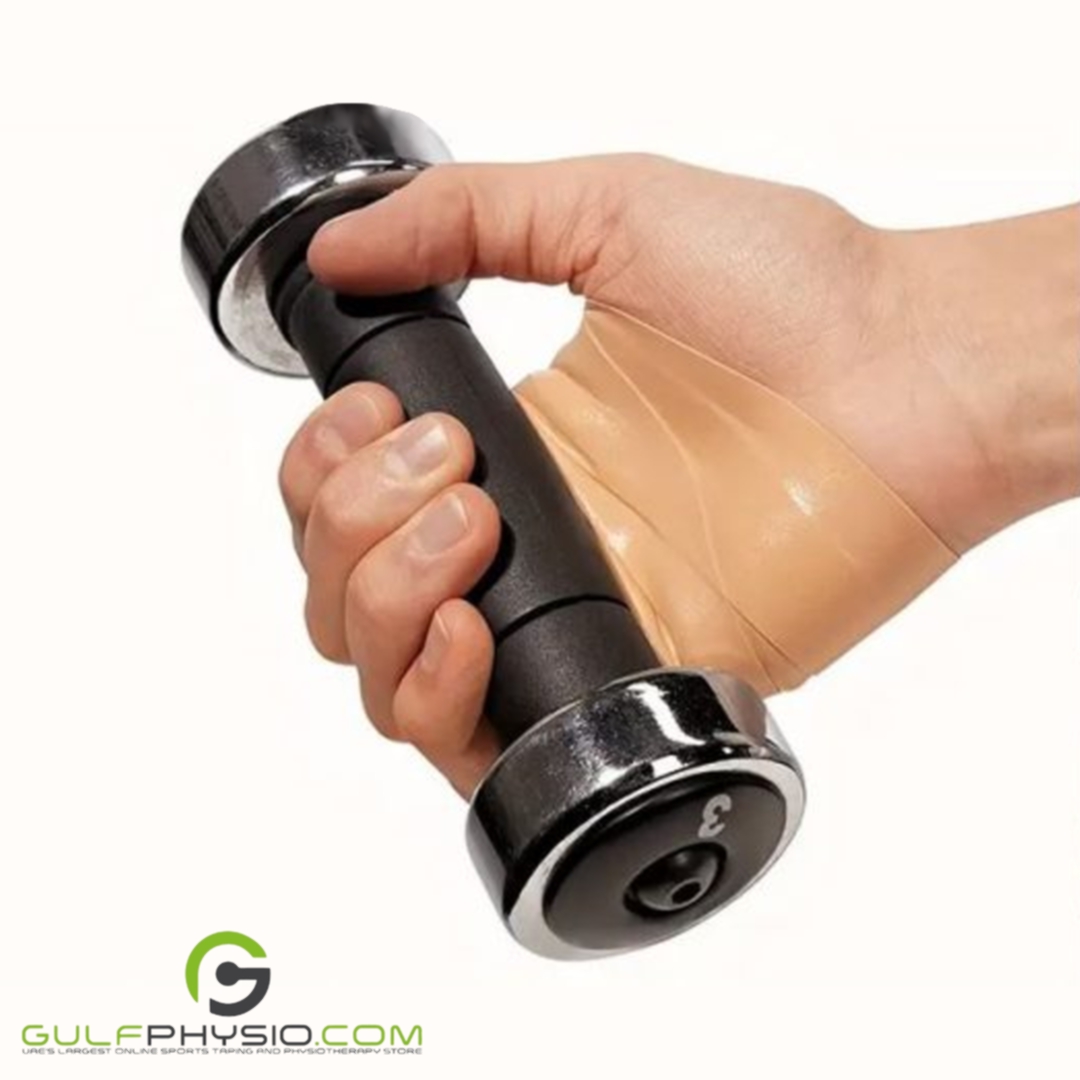

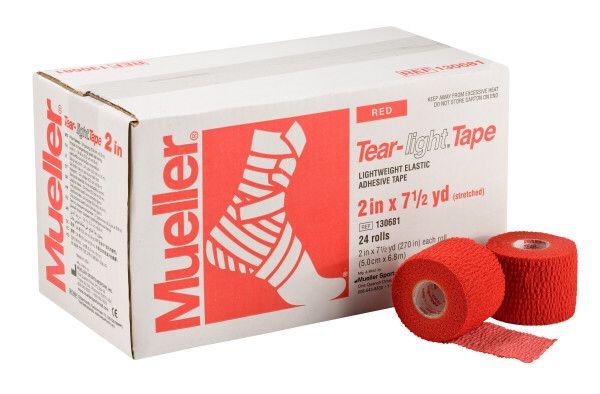
Crepe, cohesive and compression bandages are a core part of injury management, sports first aid, rehabilitation, and everyday clinical care. This category includes wraps used for light compression, swelling control, dressing retention, and general support around joints and soft tissue areas such as the ankle, knee, wrist, elbow, and calf. Whether you are restocking a clinic, building a sports medical kit, or looking for reliable support wraps for recovery, choosing the right bandage type makes a big difference in comfort, fit, and function.
Who It's For
This range is suitable for physiotherapy clinics, sports medicine professionals, first aid responders, school and club medical rooms, gyms, occupational health teams, and home users managing mild support needs. Crepe and cohesive bandages are commonly used by clinicians who need dependable wraps for swelling management, dressing fixation, and light joint support. They are also useful for athletes, active individuals, and post-injury patients who need a practical wrap that is quick to apply and easy to keep in a medical bag or treatment area.
For sports settings, cohesive wraps are often preferred when fast application and secure self-adhesion are important. In clinic and general care environments, crepe bandages remain a popular choice for light compression and versatile wrapping. Elastic adhesive bandages may be selected when a firmer hold is needed for support and stability.
How to Choose
The right bandage depends on the job it needs to do. If your goal is light compression and general support, a traditional crepe bandage is often the most practical option. If you want a wrap that sticks to itself without relying heavily on clips or tape, cohesive bandages are usually the better fit. If stronger hold is needed, especially in more active settings, elastic adhesive bandages can provide a more secure application.
Also consider the body area being wrapped. Narrower widths are better for wrist, hand, and smaller joints, while wider bandages are more suitable for knee, thigh, shoulder, or larger muscle groups. Stretch level matters too. Some users want gentle compression for swelling control, while others need firmer support for movement or return-to-activity settings.
When choosing products for a clinic or team environment, it also helps to consider skin sensitivity, ease of reapplication, breathability, and whether the wrap is mainly being used for support, dressing retention, or post-injury compression.
What Conditions does this product range solve
This product range helps support common soft tissue and recovery needs rather than replacing diagnosis or full immobilization. Crepe and cohesive bandages are widely used to help manage swelling after minor sprains and strains, support vulnerable joints during early recovery, and secure dressings after treatment. They are also useful where light compression is needed around the ankle, wrist, knee, or elbow.
Typical applications include mild ankle sprains, wrist support, post-exercise swelling, calf wrapping, dressing fixation, and general compression as part of a broader first aid or rehab routine. In sports medicine, these wraps are often used before or after activity depending on the required level of support and containment. In clinical use, they are also commonly selected for holding wound dressings in place or providing temporary wrap support before a brace or more structured support is used.
Compare product vs product
Crepe bandages are best for light compression, basic support, and general-purpose wrapping. They are a strong everyday option for clinics and first aid kits where versatility matters.
Cohesive bandages are designed to stick to themselves, making them convenient for quick application and secure hold without excessive taping. They are especially useful in sports, dressing retention, and situations where clean removal matters.
Elastic adhesive bandages are more suitable when firmer support and a more stable hold are needed. These can be a good option when movement demands more control than a standard crepe wrap provides.
Compression-focused wraps are typically chosen where swelling management is the main priority. If the user is comparing products, the key question is whether they need light compression, self-adhesion, stronger support, or a wrap mainly intended to secure dressings.
FAQs
What is the difference between a crepe bandage and a cohesive bandage?
A crepe bandage is usually used for light compression and general support, while a cohesive bandage sticks to itself and is often easier to secure without extra fasteners.
When should I use a cohesive wrap instead of a crepe bandage?
Cohesive wraps are a strong choice when you want quick application, self-adhesion, and easy dressing retention, especially in sports medicine and first aid settings.
Are these bandages suitable for ankle and wrist wrapping?
Yes. These bandages are commonly used for ankle, wrist, elbow, and knee wrapping, provided the right width and support level are chosen for the body area.
Can these bandages help with swelling?
Many crepe and compression bandages are used to provide light compression that helps manage swelling as part of an overall recovery plan.
Do cohesive bandages stick to skin?
Most cohesive bandages are designed to stick mainly to themselves rather than directly to skin, which helps with easier removal and repositioning.
What width bandage should I choose?
Narrower widths are better for smaller joints such as the wrist or hand, while wider bandages are more suitable for larger areas such as the knee, thigh, or shoulder.
Are these wraps used only in sports settings?
No. They are widely used in physiotherapy clinics, first aid rooms, home care, occupational health, and general medical environments.