
Hand Therapy, Grip & Finger Exercisers
Showing 13–24 of 25 results
Jump to: Who It's For | How to Choose | Conditions | Compare | FAQs
Shop hand therapy and grip strength tools for rehabilitation, recovery, dexterity training, and daily strengthening. This range includes hand exercisers, therapy putty, finger trainers, grip balls, extension trainers, and rehab tools used in physiotherapy, occupational therapy, sports recovery, and home exercise programs.

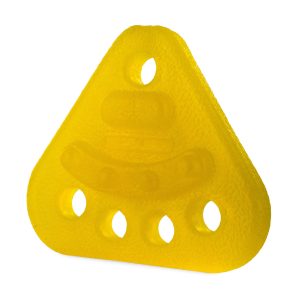

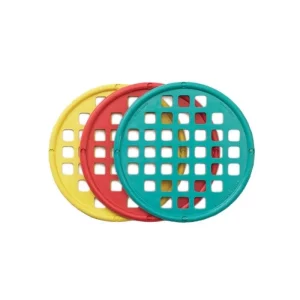


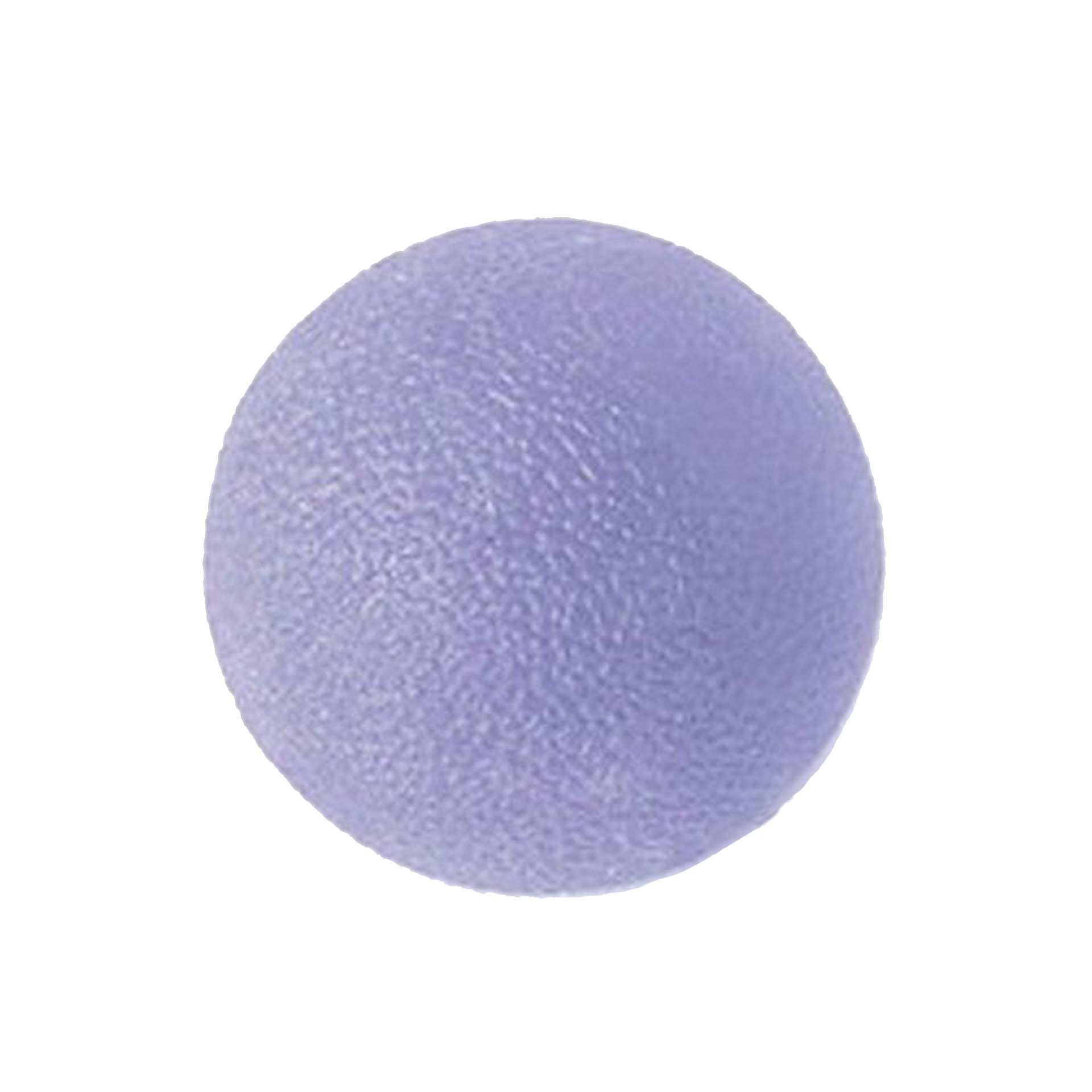

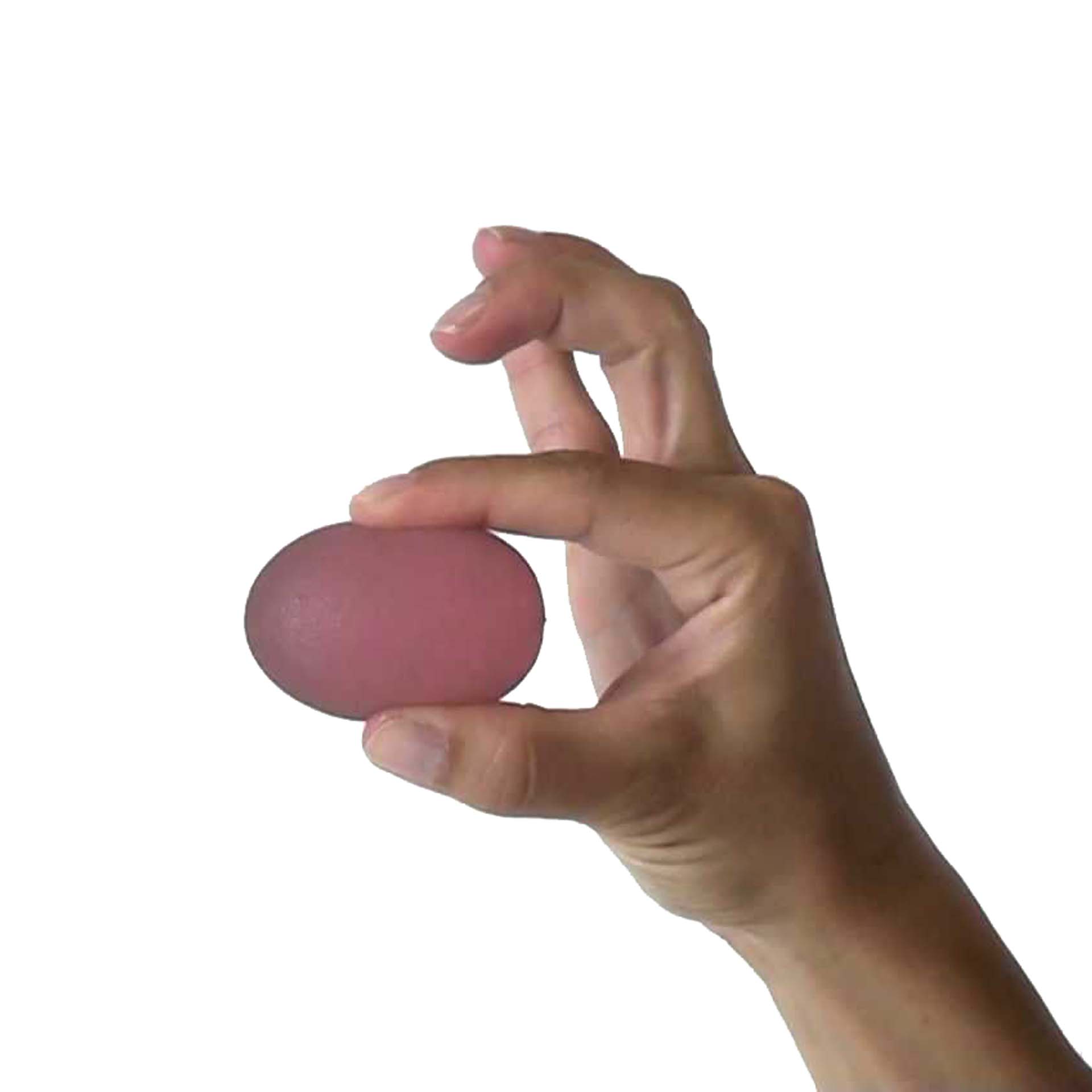


Hand therapy and grip strength tools are used to restore strength, improve dexterity, and support recovery after injury, surgery, immobilization, or neurological conditions. This category includes hand exercisers, finger trainers, therapy putty, grip balls, extension bands, and fine motor rehabilitation tools for clinic use and home exercise programs.
Whether you are building grip strength, improving finger control, or supporting occupational and physiotherapy rehabilitation, choosing the right resistance, shape, and training focus helps match the tool to the stage of recovery and the functional goal.
Who It's For
Hand therapy and finger exercise products are suitable for physiotherapists, occupational therapists, hand therapists, sports rehab clinics, and patients following a structured home exercise program. They are commonly used for post-operative rehabilitation, post-cast stiffness, tendon recovery, grip weakness, fine motor retraining, and progressive strengthening.
This range is also useful for athletes rebuilding hand endurance, office workers with reduced hand function, seniors managing stiffness and loss of dexterity, and individuals recovering from stroke or nerve-related weakness affecting grip and finger coordination.
How to Choose
Start by identifying the goal of treatment. If the focus is general squeezing strength, grip balls and hand grippers are often suitable. If the priority is isolated finger training, extension bands, finger resistance trainers, or dexterity tools may be more appropriate. For controlled rehabilitation and graded resistance, therapy putty is often one of the most versatile starting points.
Resistance level matters. Softer tools are better for early-stage rehabilitation, pain-sensitive hands, arthritis, and post-surgical recovery. Medium to firm resistance is more suitable for later-stage strengthening, sports rehab, and users rebuilding grip power. Clinics may benefit from stocking multiple resistance levels so patients can progress safely over time.
Also consider whether the product is designed for full-hand grip, pinch strength, finger extension, thumb opposition, or fine motor retraining. A strong category page should help users quickly separate general strengthening tools from rehab-specific devices.
What Conditions does this product range solve
Hand and finger exercisers are commonly used to address weak grip strength, reduced finger mobility, stiffness after immobilization, tendon rehabilitation, post-operative hand recovery, and reduced dexterity. They are also used in therapy plans for arthritis-related hand weakness, repetitive strain recovery, and neurological rehabilitation where grasp, release, and isolated finger control need retraining.
Depending on the product selected, this category can support rehabilitation for hand fatigue, forearm deconditioning, poor pinch strength, reduced coordination, and loss of function after wrist, hand, or finger injury. These tools are also practical for maintaining hand conditioning in patients who need regular low-load exercise at home.
Compare product vs product
Therapy Putty vs Grip Balls:
Therapy putty is better for graded rehabilitation, pinch work, finger isolation, and progressive therapy drills. Grip balls are simpler for repeated squeezing, general circulation, and light-to-moderate hand activation.
Hand Grippers vs Therapy Putty:
Hand grippers are more suitable for later-stage strength development and overall crush grip training. Therapy putty is usually better for early rehab, controlled resistance, and multi-direction hand exercises.
Finger Extension Trainers vs Grip Strengtheners:
Finger extension trainers target the opening muscles of the hand and help balance flexor-dominant training. Standard grip tools focus more on closing strength and whole-hand squeezing.
Dexterity Tools vs Strength Tools:
Dexterity tools help with coordination, precision, fine motor control, and occupational therapy tasks. Strength tools are intended more for resistance, endurance, and measurable grip improvement.
Clinic Sets vs Single Home-Use Tools:
Clinic sets are better for therapists managing different patient stages and resistance needs. Single home-use tools are more practical for ongoing daily exercise once a program has already been prescribed.
FAQs
What are hand therapy exercisers used for?
They are used to improve grip strength, finger mobility, dexterity, and hand function during rehabilitation or strengthening programs.
What is the best product for weak hands after injury or surgery?
For early rehabilitation, softer resistance tools such as therapy putty or light grip balls are often more suitable than heavy hand grippers.
What is the difference between grip strength tools and finger exercisers?
Grip strength tools usually train the whole hand during squeezing, while finger exercisers focus more on isolated fingers, extension work, or fine motor control.
Can these products be used for arthritis hands?
Yes, many low-resistance hand therapy tools are used to support gentle mobility and light strengthening for stiff or weak arthritic hands, depending on tolerance and clinical advice.
Are these tools suitable for occupational therapy?
Yes. Many of these products are commonly used in occupational therapy for dexterity training, pinch strength, grasp-and-release practice, and functional hand recovery.
Which product is best for dexterity rather than strength?
Dexterity-focused tools, therapy putty drills, and finger isolation products are generally better than heavy grippers when the goal is coordination and fine motor retraining.
Should I choose one resistance level or multiple?
For rehabilitation and progression, multiple resistance levels are often better so the user can safely advance as grip and finger function improve.