
Rehab Room Mirrors & Mobility Accessories
Showing the single result
Jump to: Who It's For | How to Choose | Conditions | Compare | FAQs
Shop rehab room mirrors, stretching aids, and mobility accessories designed for clinics, therapy spaces, gyms, and home rehabilitation. These products help support posture feedback, guided movement, flexibility work, gait practice, and safer day-to-day rehab routines.

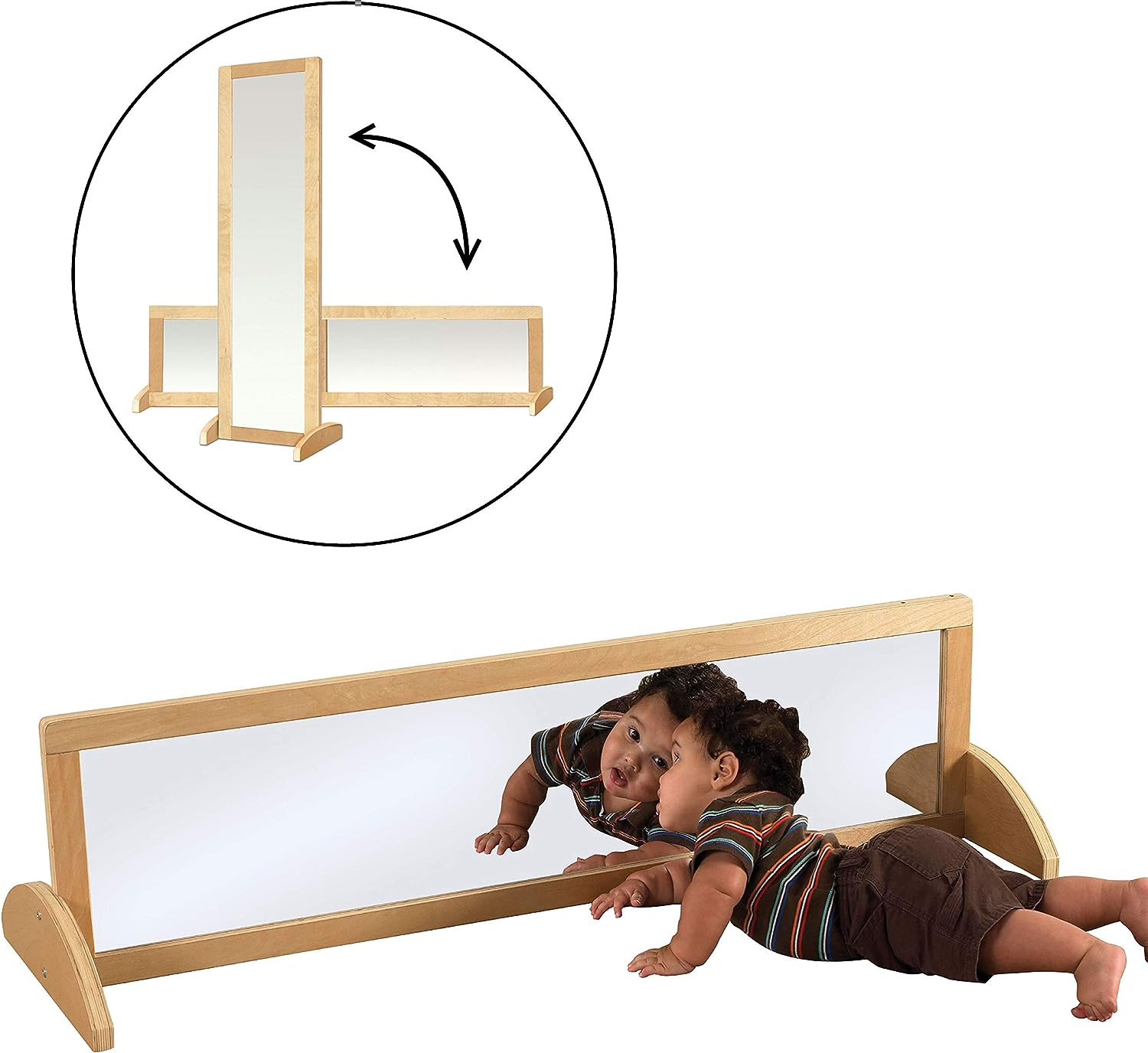
Rehab room mirrors and mobility accessories help turn a treatment area into a more effective rehabilitation space. Whether you are setting up a physiotherapy clinic, improving a gym rehab corner, or supporting a home recovery routine, these products make movement training more practical, visible, and repeatable. From therapy mirrors for posture and gait feedback to stretching and rehab accessories that support flexibility, balance, and daily exercise, this range is designed to help patients and professionals work with better control and confidence.
Who It's For
This category is ideal for physiotherapists, occupational therapists, sports rehab professionals, clinic owners, gym operators, and home users building a functional recovery space. It is especially useful for people who need better visual feedback during exercise, support with flexibility work, or simple accessories that make mobility and stretching routines easier to perform safely.
- Physiotherapy and rehabilitation clinics
- Sports medicine and athletic recovery settings
- Occupational therapy and neurological rehab environments
- Home users recovering after injury or surgery
- Elderly users working on mobility, coordination, and confidence
- Studios and gyms adding a rehab or stretching zone
How to Choose
Start by thinking about the main purpose of the product. If the goal is visual feedback for posture, alignment, gait training, or exercise form, rehab room mirrors are usually the priority. If the goal is to help with range of motion, assisted stretching, or easier movement practice, stretching and rehab accessories may be the better fit.
Also consider where the product will be used. Clinics often need durable, easy-to-clean equipment that can handle repeated daily use, while home users usually benefit from lighter, simpler accessories that are easy to store and use independently. For mirrors, consider the available wall space, viewing height, and whether a full-body view is needed. For accessories, consider resistance level, portability, comfort, and how easily the product fits into the user's rehab plan.
- Choose mirrors for posture, balance, gait, and form correction
- Choose stretching accessories for flexibility and ROM routines
- Choose mobility accessories for support during movement practice
- Prioritize clinic-grade durability for professional settings
- Prioritize simplicity and storage for home rehabilitation
What Conditions does this product range solve
This range does not treat a condition by itself, but it helps support the rehabilitation process for many common movement and recovery needs. Rehab room mirrors can improve body awareness and movement correction, while mobility and stretching accessories help make exercises more manageable and consistent.
- Postural imbalance and poor movement awareness
- Reduced flexibility and joint stiffness
- General mobility limitations
- Post-operative rehabilitation routines
- Sports injury recovery and return-to-movement programs
- Balance and coordination training support
- Gait re-education and lower limb movement practice
- Home exercise adherence for orthopedic and neurological rehab
These products are commonly used alongside guided rehabilitation plans for orthopedic injuries, sports recovery, elderly mobility work, stroke rehab, and general functional movement training.
Compare product vs product
Rehab mirrors vs general wall mirrors:
Rehab mirrors are chosen for therapy use, where clear full-body or movement-specific feedback matters. They are more relevant for posture correction, gait review, and exercise supervision than standard decorative mirrors.
Portable accessories vs fixed rehab room equipment:
Portable accessories are easier for home users and flexible treatment spaces. Fixed equipment is better for dedicated clinic rooms where repeated use, stability, and long-term setup matter more.
Stretching accessories vs mobility accessories:
Stretching tools are better when the priority is muscle length, flexibility, and assisted range of motion. Mobility accessories are more suitable when the goal is support during movement, setup convenience, or improving exercise execution.
Clinic use vs home use products:
Clinic products should prioritize durability, hygiene, and frequent use. Home rehab products should prioritize simplicity, storage, comfort, and ease of independent use.
FAQs
What are rehab room mirrors used for?
Rehab room mirrors are used to give visual feedback during exercise, posture correction, balance work, gait training, and movement retraining. They help users see alignment and form in real time.
Are these products only for clinics?
No. Many rehab accessories and stretching tools are also useful for home users who need a more structured and supportive setup for recovery or mobility work.
What is the difference between stretching accessories and mobility accessories?
Stretching accessories focus more on flexibility and assisted range of motion. Mobility accessories are a broader group that can support movement practice, positioning, exercise setup, and rehab convenience.
Can rehab mirrors help with posture training?
Yes. Mirrors are commonly used for posture awareness, movement correction, and helping users maintain better alignment during exercises and standing activities.
Who typically buys these products?
Common buyers include physiotherapy clinics, sports rehab facilities, occupational therapy departments, gyms with recovery areas, and home users following rehabilitation programs.
How do I choose the right rehab accessory?
Choose based on the activity you want to support: posture feedback, stretching, mobility work, exercise assistance, or clinic setup. The right choice depends on the user's needs, available space, and whether the product will be used professionally or at home.