

An article in the National Library of Medicine published in 2024 stated that an estimated 1 million patient visits are because of plantar fasciitis. While this number is only an approximation of actual cases, there is undeniable data that this condition affects many of the population.
Among those numbers, 10% are runner-related injuries, while 11% to 15% need professional medical care.
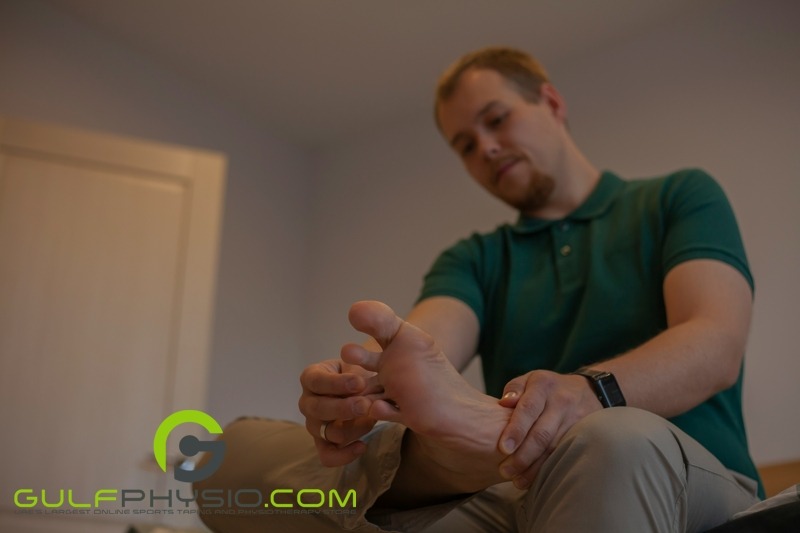
Table of Contents
What is Plantar Fasciitis?
Plantar fasciitis is the inflammation of the plantar fascia, a thick band of tissue in the foot connecting the heel bone to the toes. It is the most prevalent cause of heel pain, with symptoms that can develop gradually or suddenly, commonly following severe physical exercise.
You can read more about plantar fasciitis in our article Understanding Plantar Fasciitis: What Are the Treatment Options? Where we take a more detailed look into the condition.
Insoles and Plantar Fasciitis
Insoles, sometimes referred to as inserts, footbeds, or orthotics, are detachable components within shoes meant to increase comfort and support. Constructed from materials such as plastic, foam, gel, or leather, these layers rest underneath the foot. People use insoles to enhance foot arch support, improve comfort, and address orthopedic concerns.
How Do Insoles Help Plantar Fasciitis?
In physiotherapy, professionals prescribe insoles to relieve pain in the foot caused by certain conditions.
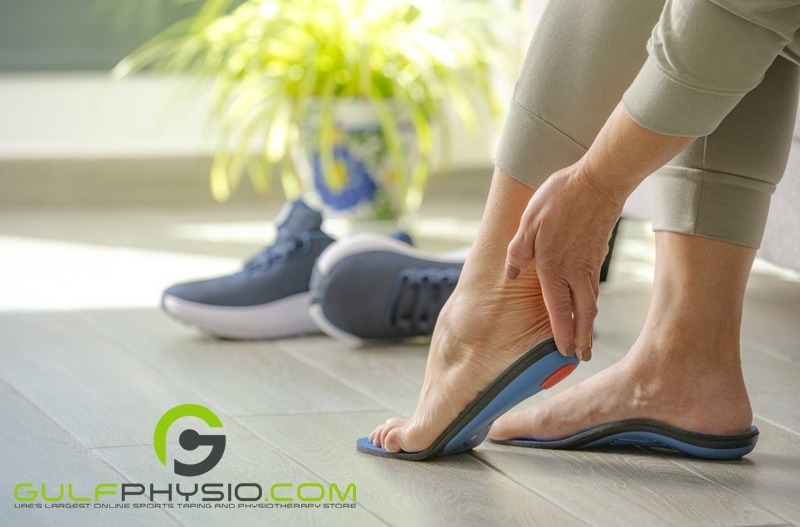
Plantar fasciitis shoe insoles give tailored support and cushioning to ease discomfort by dispersing pressure off the heel and arch, the key areas afflicted by the condition.
How To Choose Insoles
If you or someone you know is suffering from plantar fasciitis, the first step to finding any form of relief, including insoles, is to seek the advice of a medical professional. Aside from that, there are factors to consider when purchasing over-the-counter insoles:
Understand Your Foot Type
The correct insoles for your shoes require knowledge of your foot’s size and shape. There are insoles customized for different arch types: neutral, low (flat), and high arches. Identifying your arch type is vital when picking an insole. For low (flat) feet, stability shoes with high- or medium-volume insoles prove beneficial. Neutral feet often require medium- or low-volume insoles. Additionally, high-arched feet need cushioning, which means low-volume and minimum-control insoles are advisable. Regardless of your arch type, insoles must match the foot’s contour for best support.

Test Your Insoles
Trying on insoles before purchasing is important to avoid wasting time and money. It’s extremely important to have a proper-sized fit: your foot should have enough room to prevent any discomfort, such as pinched toes or numbness, and heels should not slip out of the shoe. For individuals with particularly sensitive feet, it is advisable to be cautious with hard orthotics, since they might worsen pain; a softer insole may be a better alternative initially.
Break In Your Insoles
Give your body enough time to adjust to new insoles. Wear them for a few hours each day at first, then progressively extend the time until it becomes comfortable to wear them for longer. Incorporate the insoles into everyday activities during the first week to help with foot biomechanics adjustment and muscle, joint, and tendon acclimatization. Avoid high-intensity exercises immediately after wearing new insoles, as these insoles alter lower extremity biomechanics, requiring time for tendons, muscles, and joints to adjust.
Heel Cup Vs. Full Length Insoles
When talking about insoles specifically for treating plantar fasciitis, the two most commonly suggested kinds are heel cups and full length insoles. But what are the differences between the two, and how do you choose which one is the best for you?
Heel Cups
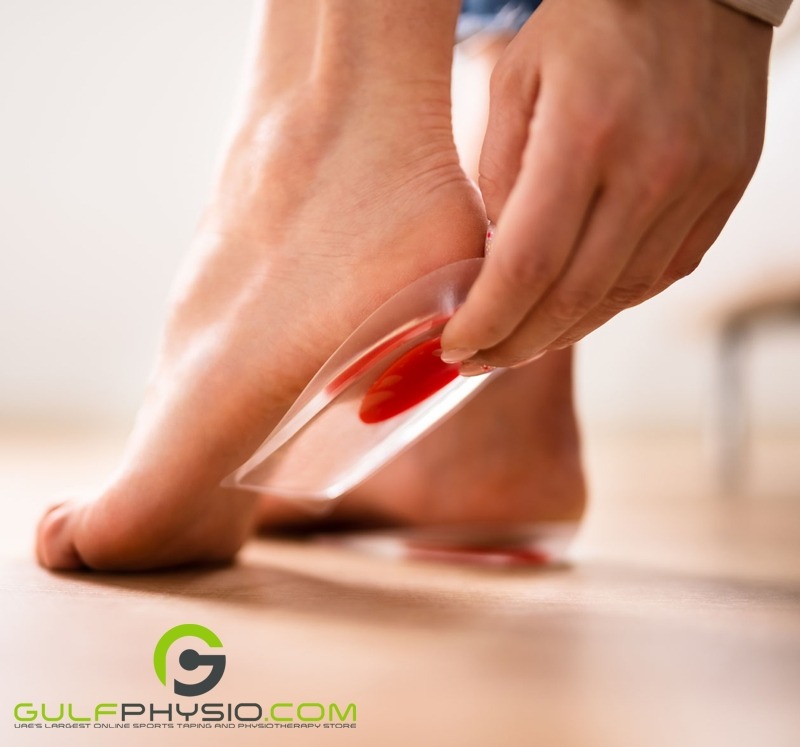
Heel cups are little shoe inserts made to give the heel of the foot more support. You can buy them over-the-counter for people looking for quick relief from heel pain, and placing them in the back of shoes makes them almost undetectable. In addition to cushioning the heel, these inserts offer a small lift that helps relieve discomfort, particularly in cases of localized problems or for people who need temporary support. It’s crucial to remember that manufacturers don’t make all heel cups to last, which could impact their long-term effectiveness.
Full Length Insoles
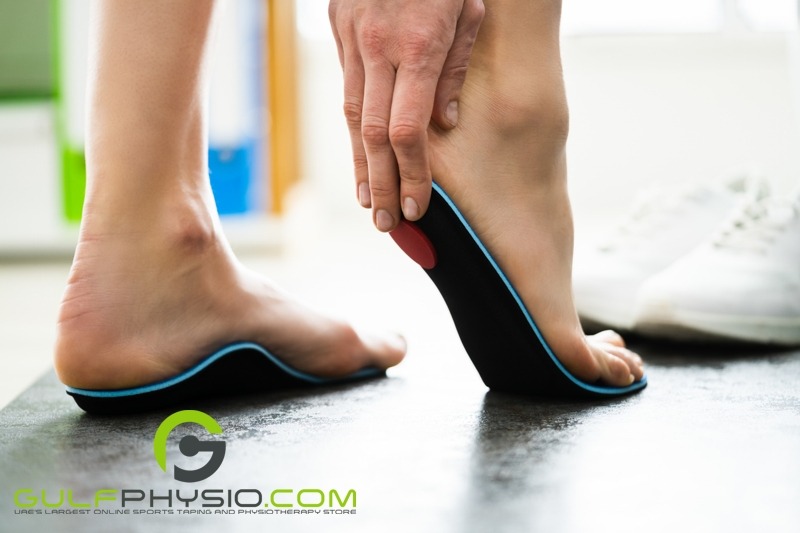
Pharmacies and shoe stores sell plantar fasciitis insoles that manufacturers design specifically to reduce the symptoms of the condition by offering additional heel support, shock absorption, and uniform stress distribution throughout the foot. These types of insoles support the arch, align the foot, and reduce strain on the plantar fascia, in contrast to generic insoles, which just provide padding. Because they provide full-foot support instead of simply heel padding, they are helpful for addressing overpronation as well as for continued rehabilitation and prevention.
| Heel Cups | Full Length Insoles | |
| Coverage | Heel area only | Full footbed |
| Support | Shock absorption and localized heel cushioning | Arch support, foot alignment, and pressure redistribution |
| Benefits | Immediate reduction of direct heel strike pain and heel spurs | Long-term relief, overpronation, and structural support |
| Fit | Fits almost any shoe or sandal easily | Requires shoes with removable insoles or spacious fits |
| Usage | Mild pain that only began recentlyQuick cushioningUnable to fit full insoles in your shoesShort term relief | Recurring painArch issues or flat feetProper structural supportIndividuals with active lifestyles and need long-term prevention |
Heel cups efficiently reduce heel pain. This is particularly true when the pain is at the bottom of the heel and worsens as you walk on hard surfaces. However, medical professionals typically advise full-length plantar fasciitis insoles as a more thorough and successful treatment for people who have flat feet, overpronate (roll their ankles inward), or experience both arch and heel discomfort.
In Conclusion
Insoles, also known as inserts or orthotics, are designed to reduce pain by supporting and cushioning the heel and arch. To choose the ideal insoles, you must be aware of your foot type, size, and fit. The two primary types of insoles are heel cups, which provide localized support, and full-length insoles, which provide support for the entire foot. Heel cups are useful for temporary pain relief, but full-length insoles are recommended for long-term care and the prevention of problems like overpronation. Doctors often recommend full-length insoles for patients suffering from specific arch issues or chronic discomfort.