
Rehabilitation & Therapy Equipment
Showing 1–12 of 69 results
Jump to: Who It's For | How to Choose | Conditions | Compare | FAQs
Shop rehabilitation equipment for physiotherapy, recovery, mobility training, and home exercise programs. Explore resistance bands, shoulder pulleys, hand therapy tools, pedal exercisers, balance trainers, and other rehab aids used to improve strength, range of motion, coordination, and functional recovery.


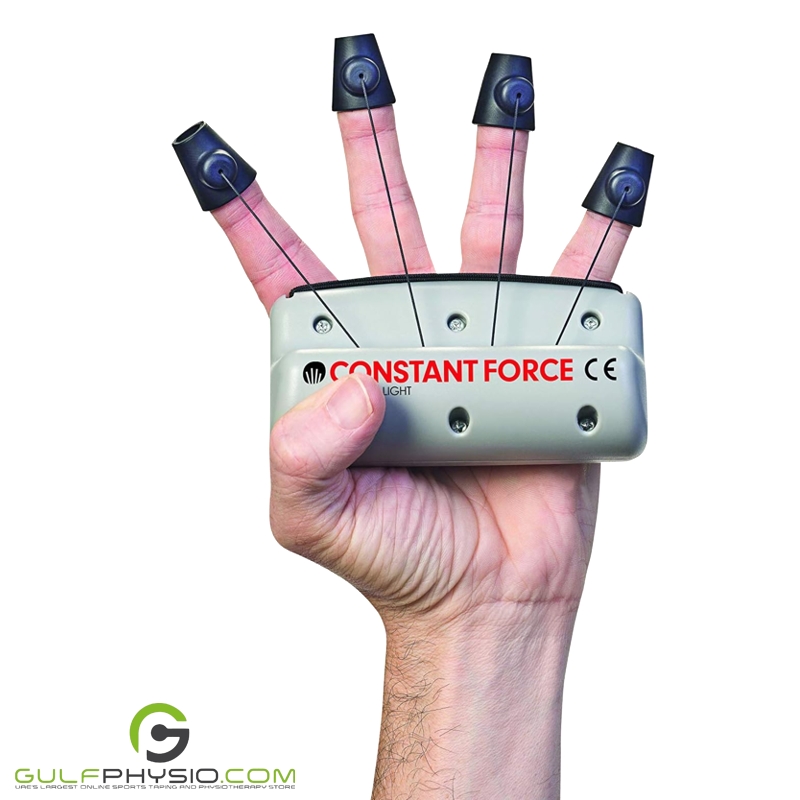



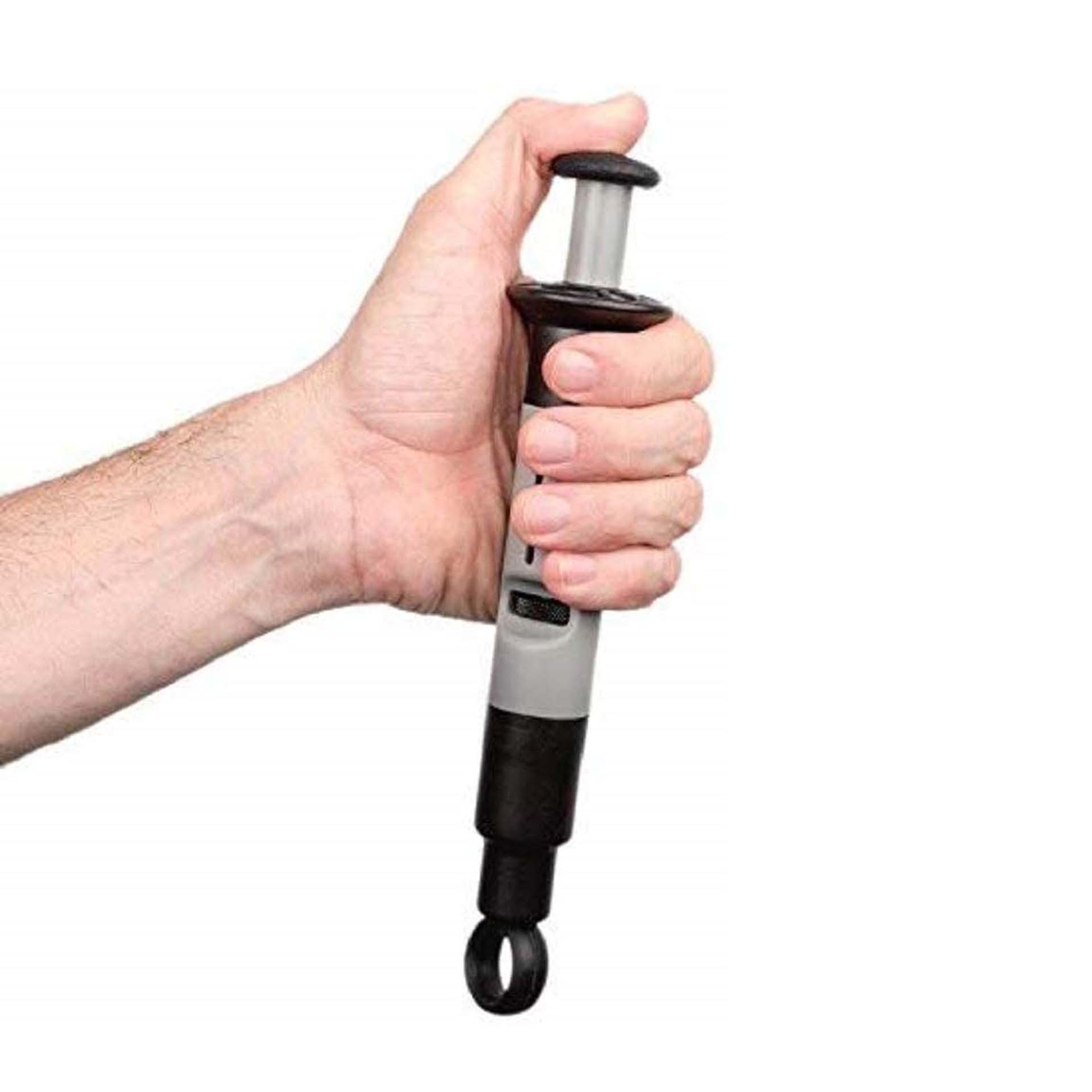


Rehabilitation equipment helps patients and clinicians work on the core goals of recovery: restoring movement, rebuilding strength, improving balance, and returning to daily function. Whether you are setting up a physiotherapy clinic, supporting sports injury recovery, or following a home exercise program after surgery, the right rehab tools make progress easier to measure and repeat. This category includes rehabilitation and therapy equipment used for mobility training, range of motion work, grip strengthening, coordination drills, balance retraining, and progressive exercise-based recovery.
Who It's For
Rehabilitation equipment is used by physiotherapists, sports medicine clinics, hospitals, occupational therapists, and home users who need structured recovery tools. It is especially useful for patients recovering from orthopedic injuries, surgery, joint stiffness, muscle weakness, neurological conditions, balance deficits, and reduced functional mobility. Clinics often need durable rehab tools for repeated patient use, while home users typically need compact, easy-to-follow equipment that supports daily exercise programs.
This category is suitable for:
- Physiotherapy and rehabilitation clinics
- Sports medicine and injury recovery settings
- Hospitals and outpatient rehab departments
- Occupational therapy and hand therapy practices
- Home users following prescribed rehab exercises
- Elderly patients working on mobility, balance, and coordination
How to Choose
Choose rehabilitation equipment based on the recovery goal first, then the body area, resistance level, portability, and patient ability. Some products are designed for strength progression, while others are better for restoring range of motion, hand function, balance, or low-impact cardiovascular movement. A clinic may need multiple resistance levels and more durable materials, while home users may prefer lightweight, simple tools that are easy to store and use independently.
- For strength recovery: choose bands, tubing, exercisers, and progressive resistance tools.
- For range of motion: choose shoulder pulleys, mobility aids, and guided movement tools.
- For balance and proprioception: choose balance pads, boards, cushions, or stability trainers.
- For hand therapy: choose therapy putty, grip trainers, finger exercisers, and dexterity tools.
- For low-impact lower-limb movement: choose pedal exercisers and seated rehab exercise devices.
- For clinics: prioritize durability, hygiene, multiple difficulty levels, and repeated-use design.
- For home rehab: prioritize ease of use, compact storage, and clear progression.
What Conditions does this product range solve
Rehabilitation and therapy equipment is used to support recovery across a wide range of musculoskeletal, neurological, and functional mobility conditions. The goal is not simply exercise, but targeted improvement in movement quality, strength, control, endurance, and daily independence.
- Post-operative recovery after knee, shoulder, hip, or ankle procedures
- Sports injuries such as sprains, strains, tendon irritation, and joint instability
- Muscle weakness following immobilization or reduced activity
- Joint stiffness and reduced range of motion
- Balance and coordination deficits
- Hand weakness, reduced grip strength, and finger dexterity issues
- Mobility decline in elderly or deconditioned patients
- Neurological rehabilitation where repetitive movement and coordination are part of recovery
- Home exercise support for long-term physiotherapy programs
Because recovery needs vary, rehabilitation equipment often works best as a system rather than a single product. For example, a patient may use resistance tools for strengthening, a pulley for shoulder mobility, and a balance trainer for stability work as part of the same program.
Compare product vs product
Resistance Bands vs Exercise Tubing
Resistance bands are often preferred for general strengthening, stretching, and portable home rehab. Exercise tubing is useful when a handle-based grip or a slightly different resistance feel is preferred. Both support progressive exercise, but tubing may feel more intuitive for certain pulling and upper-limb movements.
Balance Pads vs Wobble Boards
Balance pads usually offer a softer, more forgiving instability and are commonly used earlier in rehab or with elderly patients. Wobble boards create a greater challenge and are often used for ankle rehab, proprioception work, and more advanced balance training.
Therapy Putty vs Hand Grip Exercisers
Therapy putty is versatile for finger isolation, dexterity work, and graded resistance. Hand grip exercisers are more focused on squeeze strength and repetitive grip training. Putty is often better for broad hand therapy, while grip devices suit targeted strengthening.
Shoulder Pulleys vs General Mobility Tools
Shoulder pulleys are specifically useful for assisted shoulder range of motion and controlled movement after stiffness or injury. General mobility tools may support broader joint movement, but pulleys are usually the more targeted choice for shoulder rehab.
Pedal Exercisers vs Full Rehab Bikes
Pedal exercisers are compact, convenient, and suitable for light seated movement at home or in small treatment spaces. Full rehab bikes offer more stability, smoother motion, and often better long-term use in clinical or structured recovery settings.
FAQs
What is rehabilitation equipment used for?
Rehabilitation equipment is used to improve strength, mobility, balance, coordination, range of motion, and functional recovery after injury, surgery, or physical decline.
Who uses rehabilitation and therapy equipment?
It is commonly used by physiotherapists, occupational therapists, sports medicine professionals, hospitals, clinics, and home users following a prescribed rehab plan.
Is rehabilitation equipment suitable for home use?
Yes. Many rehab products are designed for home programs, especially resistance bands, hand therapy tools, pedal exercisers, and basic mobility aids. The key is choosing equipment that matches the user’s exercise level and recovery goal.
What rehab equipment is best for improving balance?
Balance pads, wobble boards, and stability trainers are commonly used for improving proprioception, balance control, and lower-limb coordination.
What products help with hand and finger rehabilitation?
Therapy putty, finger exercisers, dexterity tools, and hand grip trainers are commonly used for grip strength, coordination, and fine motor recovery.
How do I choose the right rehabilitation equipment?
Start with the body area involved, the rehab goal, and the patient’s current ability. Then choose a product that matches whether the focus is mobility, strength, balance, coordination, endurance, or hand function.
Can clinics and hospitals buy rehabilitation equipment in bulk?
Yes. Rehabilitation clinics, hospitals, and sports facilities often purchase rehab tools in multiple resistance levels or treatment sets to support different patient needs and stages of recovery.