
An article in the National Library of Medicine published in August 2025 stated that as of 2020, Musculoskeletal Disorders (MSDs) affect 494 million individuals globally. Even more concerning, the article continues to inform us that this number is a 123.4% increase in cases since 1990.
This information begs the question: why have the cases of MSDs increased so significantly? And why have they become increasingly common in the workplace?
Table of Contents
What are Musculoskeletal Disorders?
Musculoskeletal disorders (MSDs), also known as cumulative trauma disorders, develop over time in response to repetitive micro-trauma to specific areas of the body. Weeks, months, or even years may pass before symptoms appear, which frequently results in early neglect. MSDs include a variety of disorders involving the bones, joints, muscles, and connective tissues, which cause pain and functional disability.
What are Work-Related Musculoskeletal Disorders?
Work-related musculoskeletal disorders (WRMSDs) refer to injuries or ailments affecting the muscles, nerves, tendons, joints, cartilage, and spinal discs, primarily originating from workplace risk factors such as repetitive motions, incorrect posture, and excessive labor. These MSDs may worsen pre-existing illnesses or develop because of the workplace environment, or due to the nature of particular job types. In occupational health, preventing and managing WRMSDs requires an understanding of the underlying factors.
The Effect of WRMSDs on the Workforce and Productivity
The National Institute for Occupational Safety and Health, which is part of the Centers for Disease Control and Prevention, published an article that was included in a 2022 edition of Modern Occupational Diseases Diagnosis which focused on work-related musculoskeletal disorders.
A section of this article highlighted the burdens associated with WRMSDs, which include:
WRMSDs are a frequent cause of lost workdays because of injury in the United States
The U.S. Bureau of Labor Statistics revealed that in 2022 alone, the number of private non-fatal injuries and illnesses (related to WRMSDs) that resulted in days off from work, job transfers, or restrictions amounted to 1.8 million individuals.
Researchers identify WRMSDs as the leading occupational disorder around the globe
ScienceDirect, an online platform for scientific, technical, and medical research, shared a few chapters from Nano engineering in Musculoskeletal Regeneration, which was published in 2020.
These chapters highlight that WRMSDs arise in almost all industries and comprise a minimum of 50% of non-fatal injury cases that result in days away from work.
The World Health Organization (W.H.O.) identifies MSDs as the leading cause of disability worldwide
Musculoskeletal conditions are the leading cause of disability globally, with low back pain being the leading concern in 160 countries. These conditions include over 150 diseases affecting muscles, bones, and joints, leading to functional limitations across all ages.
Furthermore, MSDs (including WRMSDs) are also the most significant contributor globally for rehabilitation, specifically among children and two-thirds of adults requiring rehabilitation. Early retirement due to musculoskeletal disorders results in substantial direct healthcare expenditures and indirect costs, such as absenteeism and loss of productivity.
Recent data indicates that workplace overexertion injuries, particularly Work-Related Musculoskeletal Disorders (WRMSDs), lead to substantial financial implications, estimated at $15.1 billion annually. These injuries represent roughly 25% of total workers’ compensation costs across the United States alone.
Common Types of Work-Related Musculoskeletal Disorders
The Canadian Centre for Occupational Health and Safety clarifies that in developing prevention strategies, a number of health and safety organizations only include disorders that gradually developed over time and are directly the result of overuse of muscles, tendons, and nerves
Under these conditions, WRMSDs rarely include traumatic injuries affecting the muscles, tendons, and nerves.
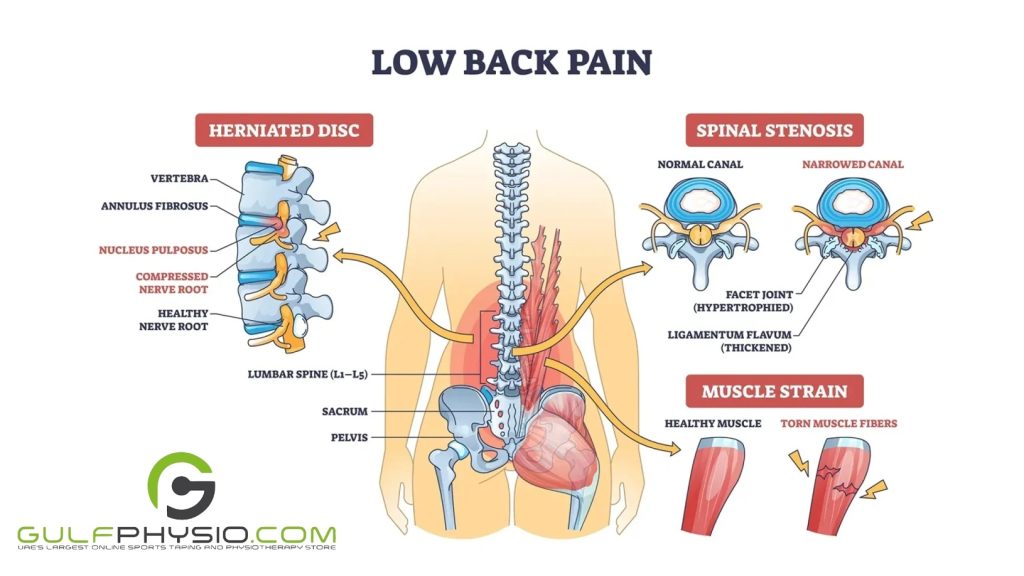
Back Pain / Lower Back Pain (LBP)
As mentioned in the previous section, LBP is the leading concern among MSDs that lead to global disability. Low back pain can radiate down to the buttocks, the back of the thighs, and even behind the knees.
Individuals experiencing lower back pain may encounter restricted movement or a feeling of blockage. This pain often results from strains or sprains affecting the spine’s supporting structures, commonly triggered by activities such as heavy lifting, pushing, pulling, or exposure to whole-body vibration.
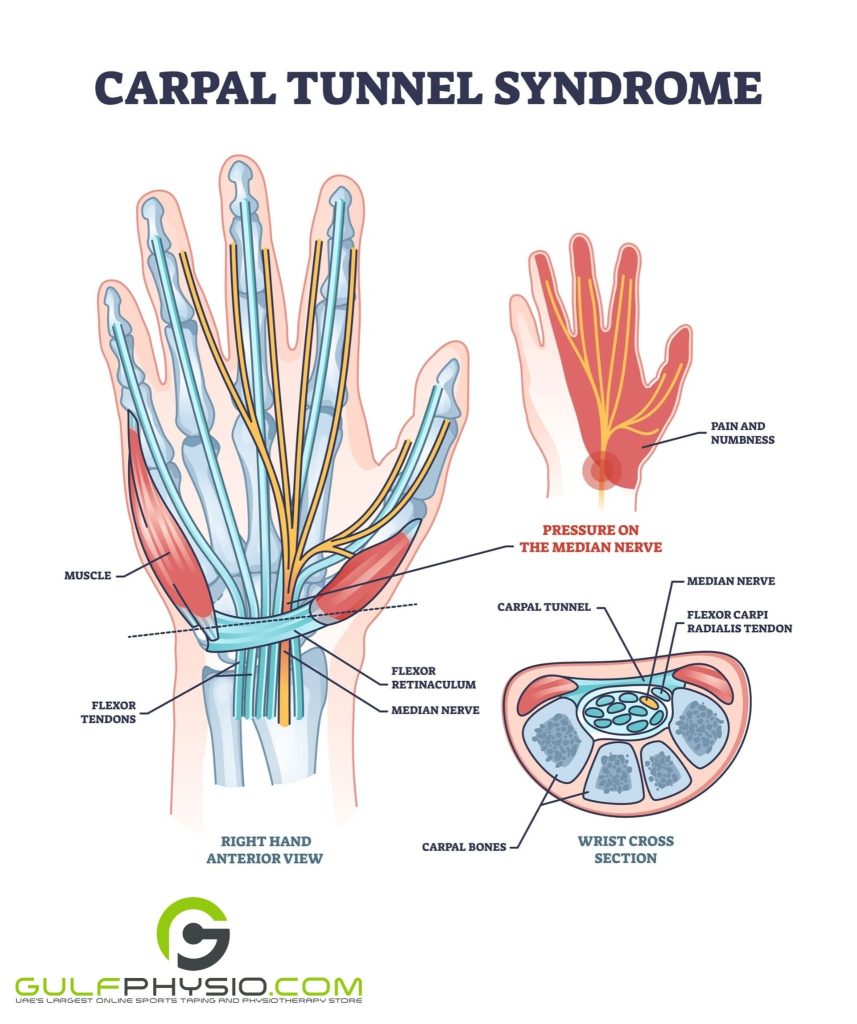
Carpal Tunnel Syndrome
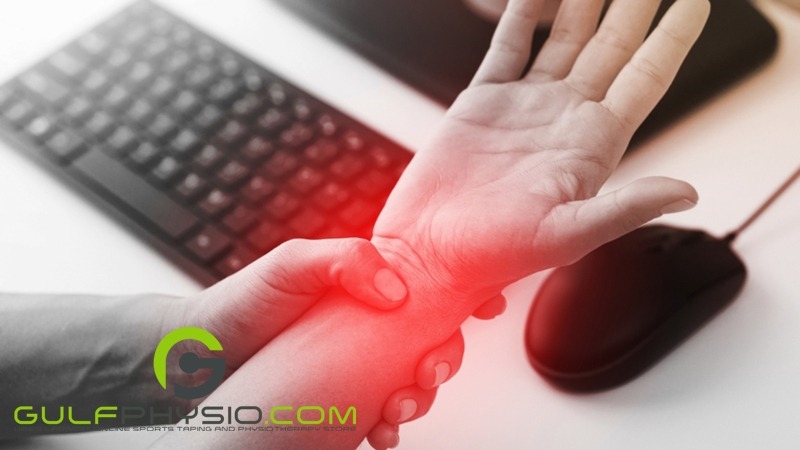
This is a frequent condition characterized by symptoms such as pain, numbness, tingling, and weakness in the hand and wrist. It occurs due to the compression of the median nerve within the carpal tunnel, a narrow passageway located on the palm side of the wrist.
Factors such as wrist structure, existing health conditions, and repetitive hand motions can contribute to the development of carpal tunnel syndrome.
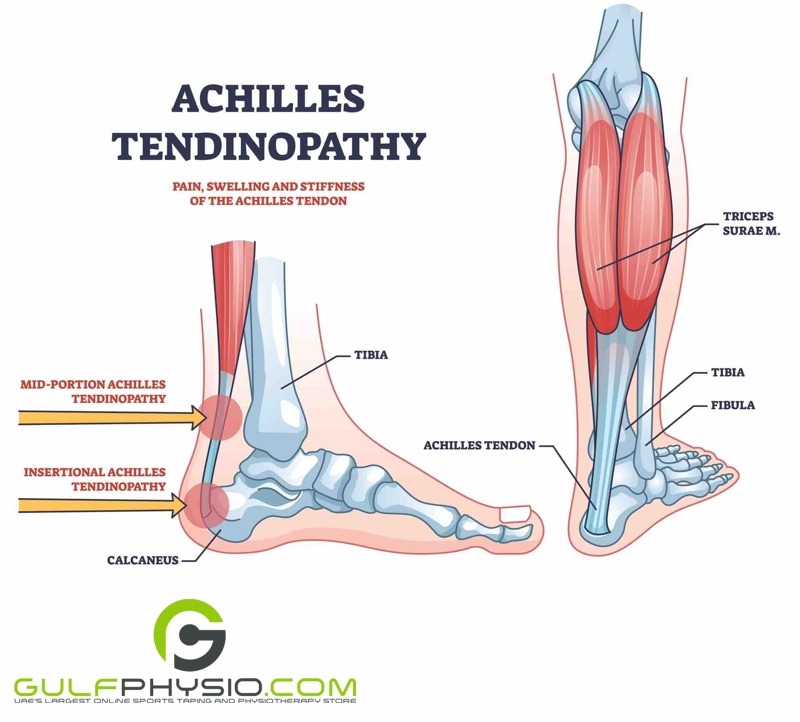
Tendonitis (Tendinitis)
Tendonitis, or tendinitis, is the inflammation of a tendon, characterized by swelling and irritation, often because of repetitive strain or overuse. Commonly affecting the shoulders, elbows, and knees, this condition leads to pain and tenderness near the joints.
Doctors classify tendinitis as acute or chronic, and it is separate from arthritis, which involves joint inflammation. It falls under the broader term tendinopathy, encompassing various tendon conditions, and is a major source of soft-tissue musculoskeletal pain.
Tenosynovitis
Inflammation of the synovial membrane, which wraps around the tendons that connect muscles to bones, characterizes tenosynovitis. This condition can lead to significant pain and restriction in joint mobility. The inflammation may arise from a variety of causes, including idiopathic, infectious, and inflammatory processes.
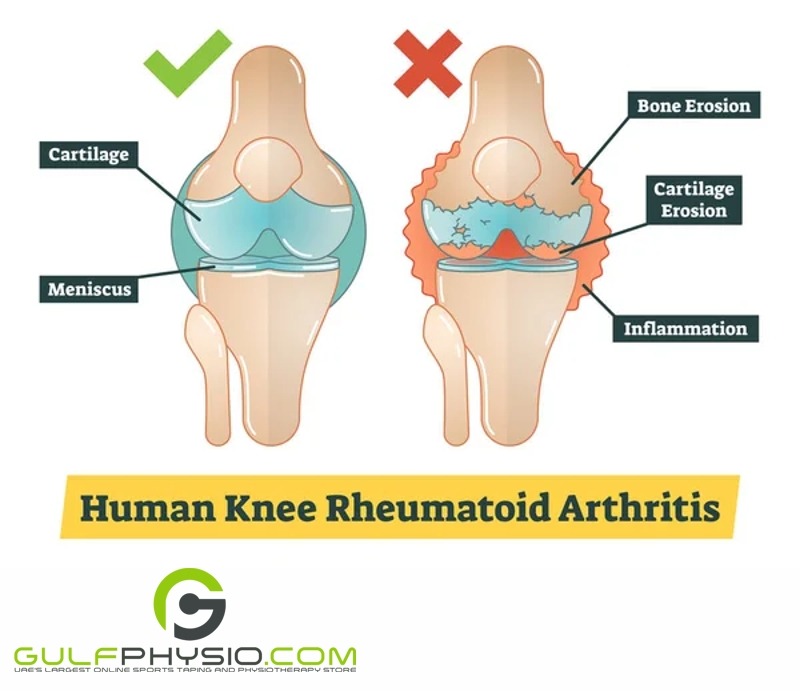
Arthritis
Arthritis is a disease characterized by damage to the joints, where two bones meet, leading to conditions that typically cause pain, swelling, and stiffness. While some joint wear is a natural part of aging, many develop arthritis due to wear and tear, injuries, or certain health conditions.
Arthritis is not a single entity but encompasses a range of conditions affecting joints, with osteoarthritis and rheumatoid arthritis being the most common. The main symptoms of arthritis include joint pain and stiffness, which can significantly hinder daily activities and work. Overall, the condition can complicate movement in the affected joints.
The Hierarchy of Controls Prevention Strategy
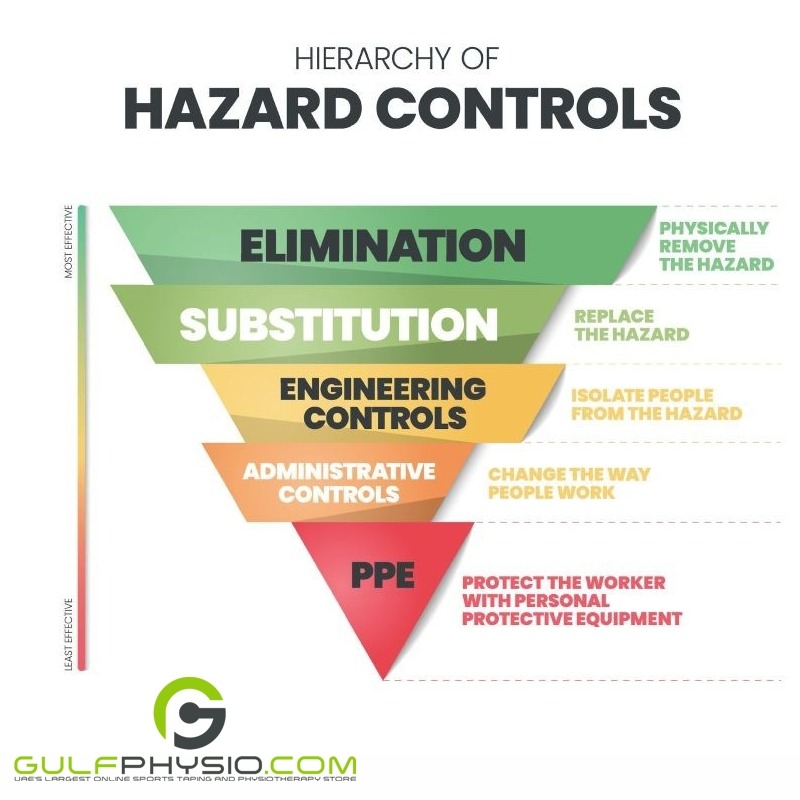
The hierarchy of controls is a systematic approach to identifying and ranking safeguards aimed at protecting workers from hazards in the workplace. This method arranges control measures from most effective to least effective. By clarifying a preferred order of interventions, the hierarchy of controls serves as a framework for determining the most effective actions to mitigate hazardous exposures, thereby playing a crucial role in ensuring worker safety and health.
Elimination
Elimination is a primary safety strategy that involves removing hazards directly at their source, ensuring that they no longer pose a risk to workers.
Since elimination effectively prevents any exposure to these hazards, experts consider it the most effective solution for worker protection.
Examples of elimination strategies include: ceasing the use of dangerous substances, performing tasks at ground level instead of elevated areas, and discontinuing noisy manufacturing processes. By implementing these changes, organizations can significantly enhance workplace safety.
Substitution
Substitution refers to replacing a hazardous material or process with a safer alternative to mitigate risks. When selecting a substitute, it is crucial to evaluate the new risks associated with it and how it interacts with other substances in the workplace.
Effective substitutes should diminish the potential for harm without introducing new hazards. Common substitution methods include switching to less hazardous materials (such as using plant-based printing inks as a substitute for solvent-based inks), applying processes that minimize force, speed, temperature, or electrical current (Using electric motors rather than diesel ones to eliminate diesel exhaust emissions).
Engineering Controls
Engineering controls aim to reduce or eliminate hazards from affecting workers by modifying equipment or the workspace. These controls may include protective barriers, ventilation systems, and other modifications. According to the NIOSH Engineering Controls Database, these controls are most effective when incorporated into the equipment’s original design, effectively blocking the hazard before it contacts the worker, requiring minimal user intervention, and functioning without complicating the work process.
Although engineering controls may initially cost more than administrative controls or personal protective equipment (PPE), they often reduce long-term operating expenses, particularly when they protect multiple workers. Additionally, they can lead to cost savings in various aspects of the work process or facility management.
Administrative controls
Administrative controls are strategies designed to minimize exposure to hazards by modifying work practices. They encompass various measures, including work process training, job rotation, adequate rest breaks, limited access to dangerous areas or machinery, and adjustments to line speeds.
These controls aim to change work methods or enhance worker awareness through specific procedures, training, and warnings. Common procedures involve equipment inspections, preventive maintenance, checklists, lockout/tag out/tryout protocols, infection prevention practices, and rotation of employees.
Training topics include hazard communication and safe work procedures, while warnings may consist of signs, alarms, detectors, computer alerts, mirrors, labels, and instructions. Employers typically use administrative controls with more stringent higher-level controls to ensure workplace safety.
Personal protective equipment (PPE)
Personal protective equipment (PPE) are designed to minimize exposure to workplace hazards and includes items such as gloves, safety glasses, hearing protection, hard hats, and respirators. For effective use, employers must implement a comprehensive PPE program tailored to specific workplace hazards.
An effective program encompasses workplace hazard assessment, selection and proper use of PPE, regular inspection and replacement of damaged equipment, employee training, and ongoing monitoring of the program’s effectiveness.
The correct and consistent use of PPE by workers is crucial for its effectiveness. While PPE may appear more cost-effective initially, it can incur greater costs over time, especially when used by multiple employees daily. Ongoing effort, training, and attention are necessary to ensure proper PPE use, as it may need to be employed alongside higher-level controls when those are not feasible.
The Hierarchy of Controls and Work-Related Musculoskeletal Disorders
The hierarchy of controls allows examination of hazards associated with musculoskeletal disorders (MSDs), albeit with a more applicable framework:
Engineering Controls
Engineering controls focus on improving safety by addressing the physical aspects of work environments and equipment. These controls aim to reduce risks primarily through two methods: adjusting the worksite and modifying equipment.
Adjusting the worksite involves reducing or eliminating hazards through strategic changes, such as installing a conveyor belt to transport products between locations more efficiently. Meanwhile, modifying equipment includes substituting or altering tools used by workers to lower risks, such as providing handcarts for easier transportation of products.
Overall, these engineering controls are vital in creating safer and more efficient work environments.
Administrative Controls
Administrative controls focus on optimizing work time and procedures to mitigate risks associated with manual labor. One effective strategy is job rotation, which aims to lessen workers’ exposure to risk by rotating employees among different tasks.
Establishing comprehensive work practices is critical in reducing risk. Implementing a two-person lifting procedure, for example, ensures that people handle heavy loads safely by limiting force exertion and minimizing injury risk.
Training programs for industrial athletes are also essential, where they learn correct techniques for moving, lifting, lowering, pushing, pulling, carrying, and operating tools and equipment.
Finally, proper maintenance of pneumatic and power tools is necessary to ensure safety and functionality in the workplace, reinforcing the importance of administrative and work practice controls in creating a safer working environment.
Personal Protective Equipment (PPE)
Personal Protective Equipment (PPE) serves to mitigate exposure to ergonomics-related risk factors. Using PPE such as padding to avoid direct contact with hard, sharp, or vibrating surfaces, enhancing user comfort and safety. Consider other situations for using PPE: in cold conditions, wear well-fitting thermal gloves. These gloves provide warmth and enable effective grasping of items, which is crucial for maintaining dexterity.
However, the effectiveness of PPE is ultimately user-dependent, relying on individual choices in equipment such as wrist splints, anti-vibration gloves, or back supports. It is important to note that the protective measures offered by these garments are marginal, as they primarily serve as a minor barrier without addressing the underlying sources of physical stress. Therefore, while PPE can provide a level of protection, it may not significantly reduce the risks associated with ergonomic strain in the workplace.
The Role of Ergonomics in Prevention
In occupational health, ergonomics involves designing work tasks and job demands to suit the capabilities of the workforce, primarily aimed at preventing musculoskeletal disorders (MSDs) stemming from physical, psychosocial, and personal factors.

Its purpose is to minimize discomfort and injuries associated with work activities. By focusing on a science-based, worker-centric design, ergonomics not only improves employee comfort but also reduces the risk of MSDs and enhances retention rates.
A decrease in MSDs results in fewer lost workdays and lower workers’ compensation claims, creating a beneficial scenario for both employee well-being and organizational finances.
Examples of ergonomics in the workplace
By implementing ergonomic principles, employers can reduce workplace injuries. This includes providing employees with appropriate equipment and establishing a setting that reduces physical strain and encourages healthier behaviors. In addition to reducing the risk of accidents, an ergonomic workspace improves employee comfort and productivity. If businesses and organizations do not seriously consider ergonomic strategies, they can easily overlook these principles, which influence various aspects of the workplace.
Adjustable chairs
Adjusting an office chair’s height prevents pain and discomfort in areas like the lower back, legs, and hips. These problems may cause pain and possibly limit blood flow.
Raise the chair to ensure your thighs run parallel to the floor, your hips sit in line with your knees, and your feet rest flat on the floor for optimal ergonomic positioning.
Adjustable desks
For active people who find it difficult to remain seated for extended periods of time, standing desks are beneficial because they improve circulation and posture while stimulating energy levels. They offer a versatile workspace that supports alternating between sitting and standing, accommodating various working positions throughout the day.
When seated, one can prevent wrist strain and conditions like carpal tunnel syndrome by setting the desk at a height that keeps the forearms parallel to the floor and keeping the wrists neutral. Using a footrest can help adjust the seating position for desks that are too high. Height-adjustable desks help guarantee ergonomic comfort for shared workstations used by people of different heights.
Appropriate Lighting
Proper lighting is essential for relieving eye strain and improving workplace comfort. Inadequate or excessive lighting can cause discomfort, so ergonomic strategies should include a combination of general ambient lighting and adjustable task lighting.
The use of anti-glare equipment and adjusting workstation placement to reduce glare are important strategies. It’s also critical to address problems like flickering fluorescent lights, which may aggravate headaches and cause exhaustion. Desk lamps and adjustable lighting are examples of alternatives that can help accommodate individual sensitivities and ultimately create a more comfortable work environment.
In Summary
Musculoskeletal disorders (MSDs), which now affect 494 million people worldwide, have increased by 123.4% since 1990. Lower back pain, carpal tunnel syndrome, and tendonitis are examples of MSDs that develop over time as a result of repetitive microtrauma.
Workplace factors cause work-related MSDs (WRMSDs) such as repetitive motion and poor posture, which result in lost workdays and significant occupational disability. In the United States, WRMSDs cause 1.8 million injuries each year, costing approximately $15.1 billion.
Prevention strategies use a hierarchical control structure, with the elimination of hazards being the most effective method for improving workplace safety.
Disclaimer
GulfPhysio.com and all of its content are for informational purposes only. All information is believed to be accurate at the time of posting and should NOT be taken as professional medical advice. Please seek a medical professional in the event of pain or injury.