

If you sit at a desk, look down at your phone often, or struggle with neck stiffness, the cervical retraction exercise may be one of the most effective posture-correcting movements you can do at home.
Poor screen habits and prolonged device use can contribute to tech neck and posture problems which place additional strain on the cervical spine.
Posture retraining may also include supportive devices such as a posture brace to help reinforce proper spinal alignment during daily activities.
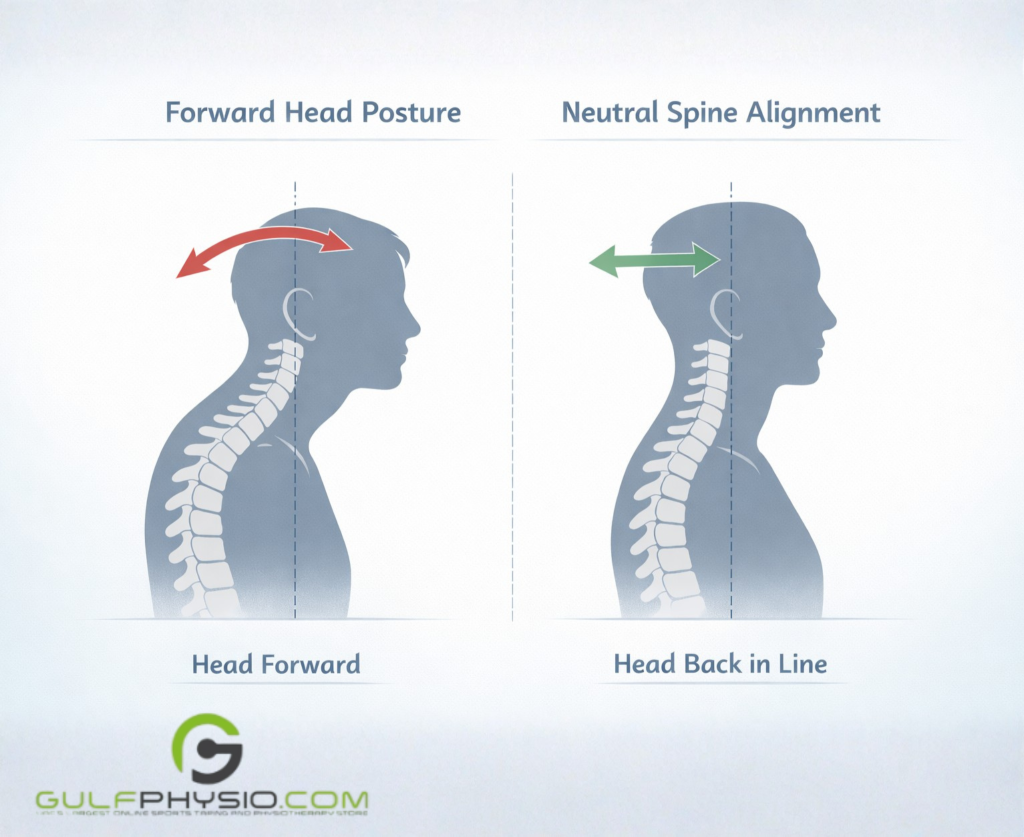
Table of Contents
What Is Cervical Retraction?
Cervical retraction is a controlled movement where you gently glide your head straight backward while keeping your chin slightly tucked.
It looks like you’re making a small “double chin,” but without bending your head downward.
This movement:
- Corrects forward head posture
- Activates deep neck flexor muscles
- Reduces strain on cervical joints
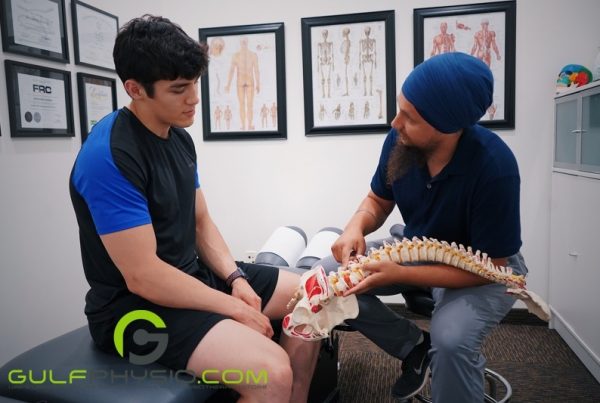
Understanding cervical spine anatomy can help explain why proper alignment and posture exercises are important for long-term spinal health.
It is commonly recommended in physical therapy for posture correction and conditions like Cervical spondylosis and mild Cervical radiculopathy (with professional guidance).
Why Cervical Retraction Works
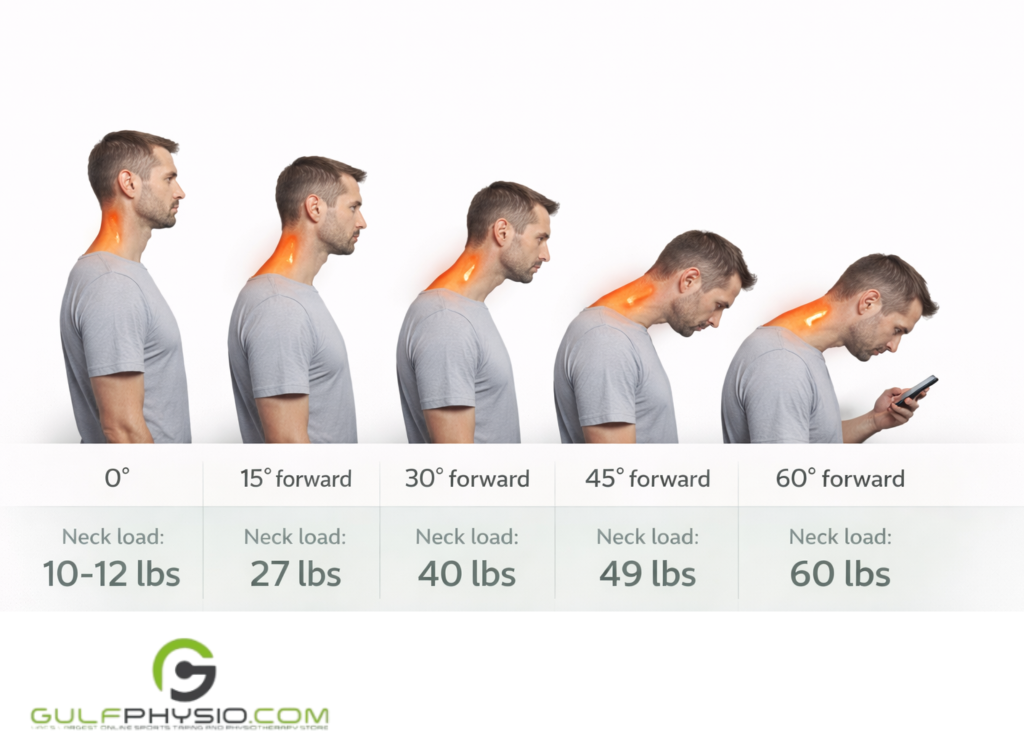
Modern posture habits place the head several inches forward.
For every inch your head shifts forward, the load on your neck muscles increases significantly. Long hours of computer work, poor workstation setup, and prolonged sitting are common contributors to spinal strain, similar to the habits described in common work-from-home posture mistakes
Cervical retraction helps by:
- Strengthening deep stabilizing muscles
- Stretching tight suboccipital muscles
- Reducing mechanical neck pain
- Improving spinal alignment
- Supporting long-term joint health
Clinicians sometimes use tools such as a pressure biofeedback unit to monitor activation of deep cervical stabilizing muscles during rehabilitation exercises.
How to Do the Cervical Retraction Exercise
Step-by-Step Chin Tuck Guide
Seated Version (Best for Beginners)
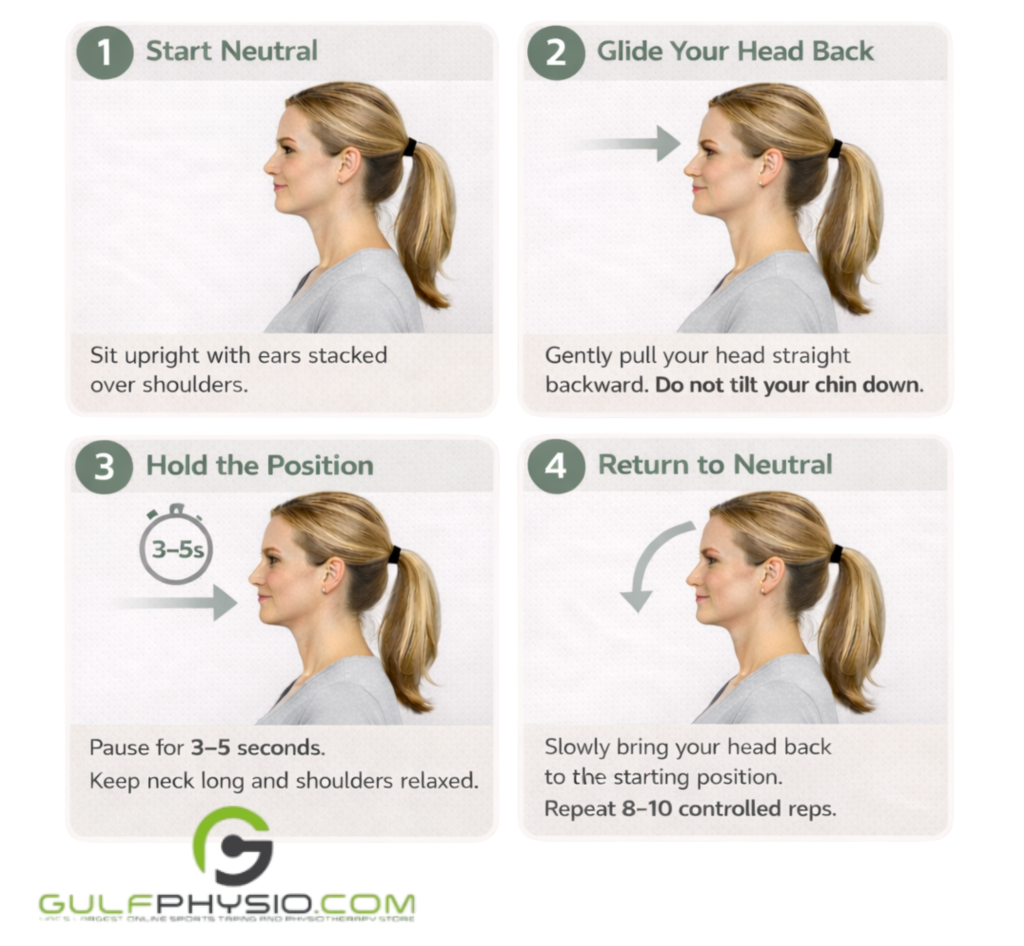
The movement should feel small and controlled, not forceful.
Practicing the exercise in front of a physiotherapy mirror can help you monitor posture and maintain proper head alignment.
Prone (Face-Down) Variation
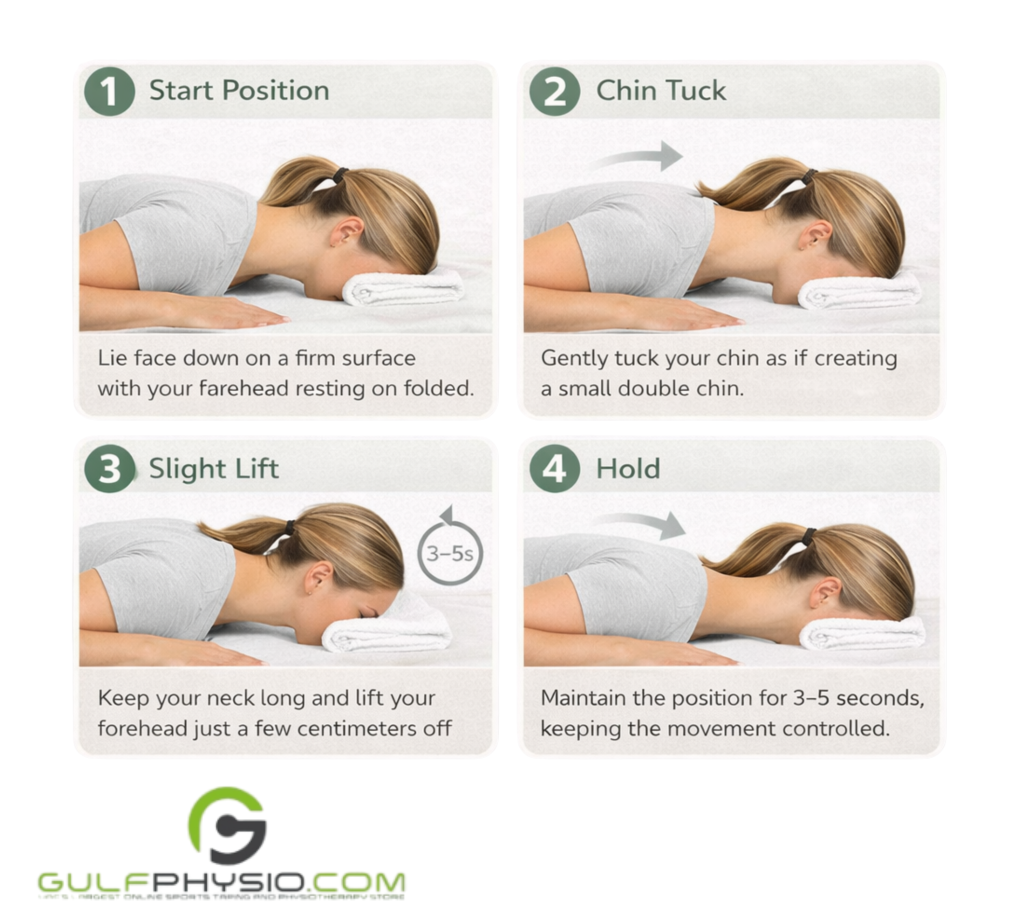
This variation increases muscle activation.
Hold 3–5 seconds, then relax.
Common Mistakes to Avoid
- Tilting your head downward instead of gliding back
- Jamming your chin forcefully
- Shrugging your shoulders
- Holding your breath
- Forcing into pain
Precision matters more than intensity.
Safety Tips for Neck Pain, Arthritis, or Nerve Symptoms
If you experience:
- Sharp pain
- Increased tingling in your arm
- Worsening numbness
- Severe stiffness
Stop and consult a physical therapist.
In some rehabilitation cases, clinicians may recommend temporary support such as a soft cervical collar to help reduce strain during recovery.
People with diagnosed Cervical spondylosis or disc issues should begin gently and progress slowly. In certain cases, physiotherapists may also use a cervical traction kit to help relieve pressure on the cervical spine.
Mild muscle fatigue is normal. Sharp pain is not.
Cervical Retraction Benefits (Backed by Rehab Principles)
1. Improves Forward Head Posture
2. Reduces Chronic Neck Tension
3. Strengthens Deep Neck Flexors
4. Decreases Joint Compression
5. Supports Long-Term Spinal Health
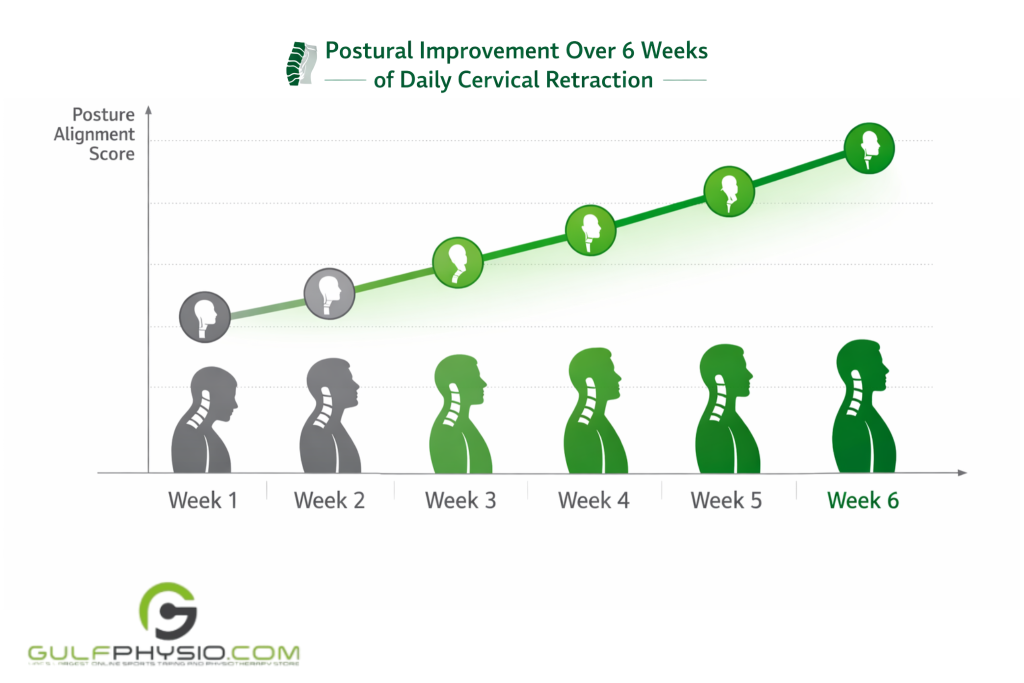
Consistency over 4–6 weeks typically produces noticeable posture improvement.
Final Thoughts
Cervical retraction is one of the most effective exercises for posture correction and neck pain relief. It’s simple, requires no equipment, and can be performed almost anywhere.
When done correctly and consistently, it strengthens deep stabilizing muscles and restores healthy neck alignment.
Maintaining good posture during daily activities and prolonged sitting is also important. Ergonomic support such as a lumbar support belt may help reduce spinal strain during work or travel.